Natural & Organic Special Report
Transparency and convenient formats drive interest in natural and organic meat
Clear claims, verified sourcing and easy-to-use formats position natural and organic proteins for continued growth, especially as millennial purchasing power rises.
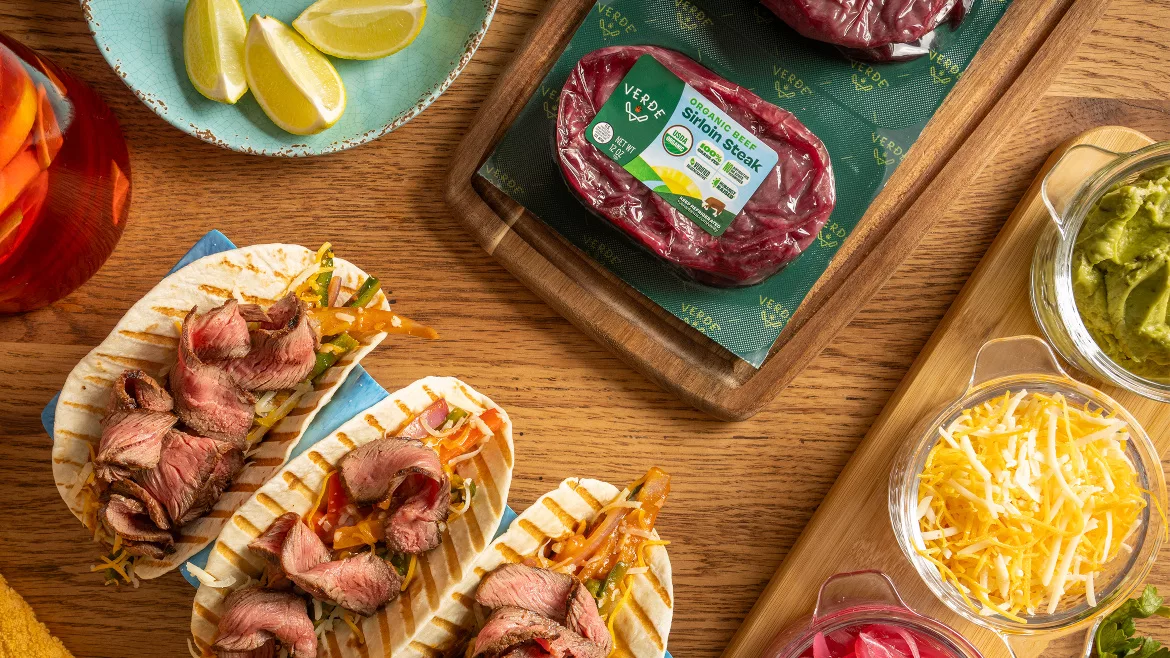
Claims-based meats are gaining traction at both retail and foodservice. The Power of Meat Report 2026 found that organic and/or grass-fed meat and poultry grew dollars, units and pounds by double digits in 2025. Although Boomers have represented the majority share of spending in the meat category over the last 30 years, millennials are set to take over that share in two years. Millennial consumers are more likely than Boomers to buy claims-based meats, reinforcing the growth potential for natural and organic protein products.
This demand shift is leading processors to prioritize verified claims, transparent sourcing and convenient product formats to remain competitive.
Though “natural” is one of the most widely used claims in the meat category, it’s also one of the least defined, creating both opportunity and confusion for industry and consumers. Under USDA guidelines, “natural” products must be minimally processed and contain no artificial ingredients; however, the claim does not address factors such as feed practices, animal welfare, or use of antibiotics or hormones. This ambiguity of the “natural” claim leads to varying meanings of the term across products.
Still, meat and poultry products with a natural claim continue to rise in popularity, especially among consumers seeking out clean-label products.
Organic protein products, in contrast, have a much clearer definition and framework. To be labeled as organic, meat and poultry products must meet USDA organic standards, which require operations to use practices that cycle resources, conserve biodiversity and preserve ecological balance.
The Power of Meat report found that millennial consumers generally care more than Boomers about foods that specifically support environmental sustainability. As millennial consumers take on a larger share of spending, their preferences will continue to shape the category. The emphasis on transparency, sustainability and convenience is expected to intensify, creating both opportunities and higher expectations for industry participants, especially organic meat brands.
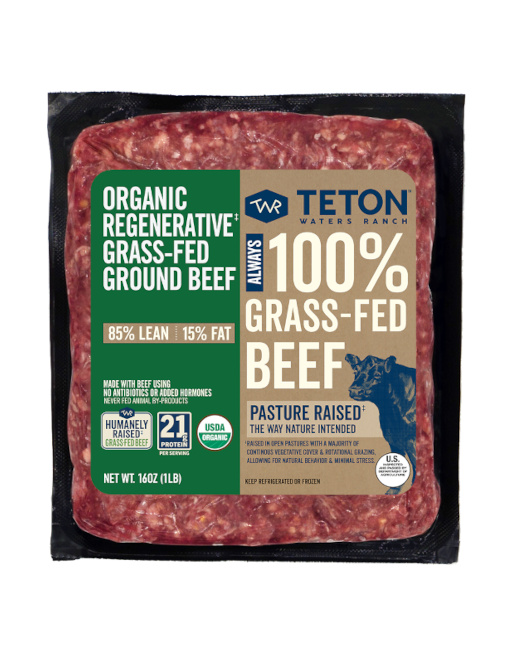
Photo courtesy of Teton Waters Ranch
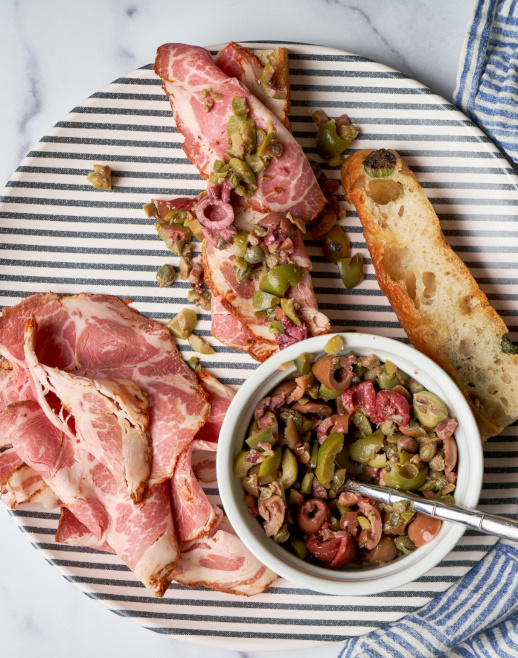
Photo courtesy of Fra' Mani
Convenient and familiar formats expand category access
As interest in both natural and organic meat and poultry products grows, convenience is becoming more of a deciding factor for how consumers engage with the category. Processors are moving beyond traditional cuts to offer value-added and ready-to-cook formats that align with on-the-go consumer lifestyles.
Brad Johnson, CEO for organic beef brand Verde Farms, noted that expanding format options is crucial to making organic meat products more accessible. “Beyond traditional steak cuts and ground beef, formats like pre-formed burgers and pre-sliced steak bites make healthy eating easier and more convenient,” he said.
Kevin Pallaoro, CEO for Teton Waters Ranch, is seeing consistent growth for products that fit into everyday meal occasions. “We are seeing the most consistent growth in accessible, everyday formats,” he said, pointing to items such as hot dogs, sausages and burgers.
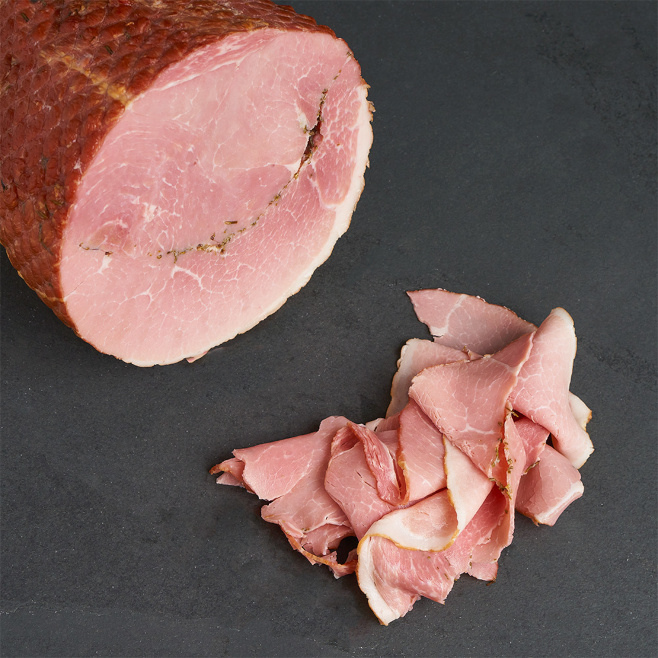
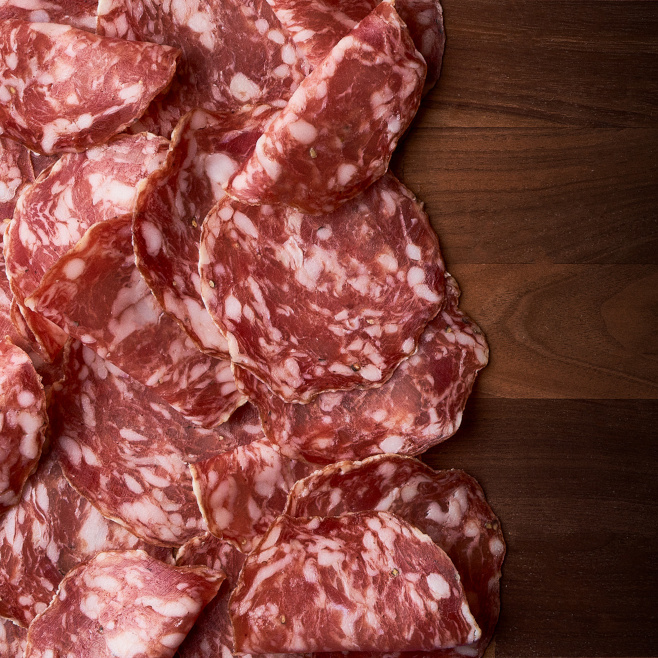
Photos courtesy of Fra' Mani
Transparency as an expectation
Transparency and storytelling are increasingly important to today’s consumers, especially within the claims-based meats category. Consumers want to know that the products they are purchasing not only meet their expectations for quality and taste, but also have verifiable claims to meet their standards.
Shoppers are increasingly looking beyond individual claims, evaluating the full story for how a product is sourced, raised, produced and packaged. “Today's consumers want the whole story, and they're rewarding brands that tell it honestly,” Johnson said.
Redefining ‘natural’ through sourcing and ingredients
As transparency expectations mature, the definition of “natural” is also evolving. While the regulatory definition remains limited, brands are working to differentiate their natural products through sourcing practices and ingredient transparency.
For charcuterie producer Fra’ Mani, these efforts begin at the farm level. “We work with roughly the top 1–2% of all available pork in North America, raised by family farms—not factory farms—without antibiotics or added hormones, with no byproducts in the feed, and with humane certifications like GAP or Certified Humane,” said Fra’ Mani Head of Brand Jason Sullivan. He noted that simple ingredient formulations, combined with humane certifications and no byproducts in the feed, reinforce the brand’s interpretation of natural.
Grass-fed production claims are also influencing expectations across the natural beef segment. Once considered a niche claim, grass-fed is now widely associated with high standards for feed, animal care and land management.
“Grass-fed is raising the bar for what ‘natural’ means in beef. It’s no longer a niche claim, it’s becoming a proxy for higher standards around animal care, feed inputs and land stewardship,” Pallaoro said.
As demand for natural and organic meat products grows, scaling production while maintaining standards remains a key challenge. Unlike conventional systems, natural and organic programs often require more stringent sourcing protocols, longer production cycles and more coordination across the supply chain.
“Scaling a natural beef program starts with consistency and integrity in the supply chain,” Pallaoro said. He noted that retailers and consumers expect to know where their beef comes from and how it was raised, which makes traceability from ranch to finished product critical. These requirements add operational complexity, particularly as brands look to scale distribution while maintaining product quality and consistency.
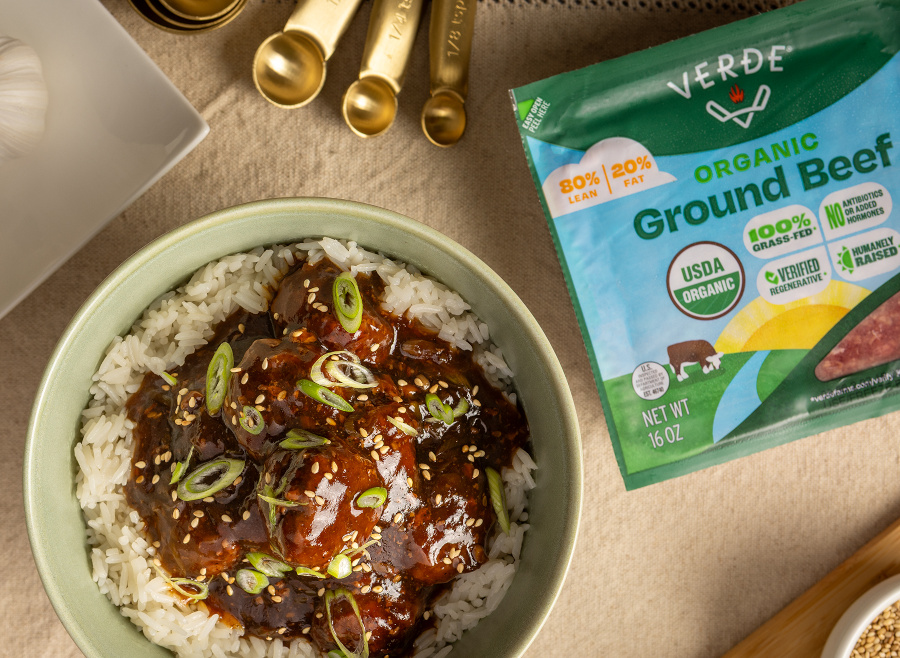
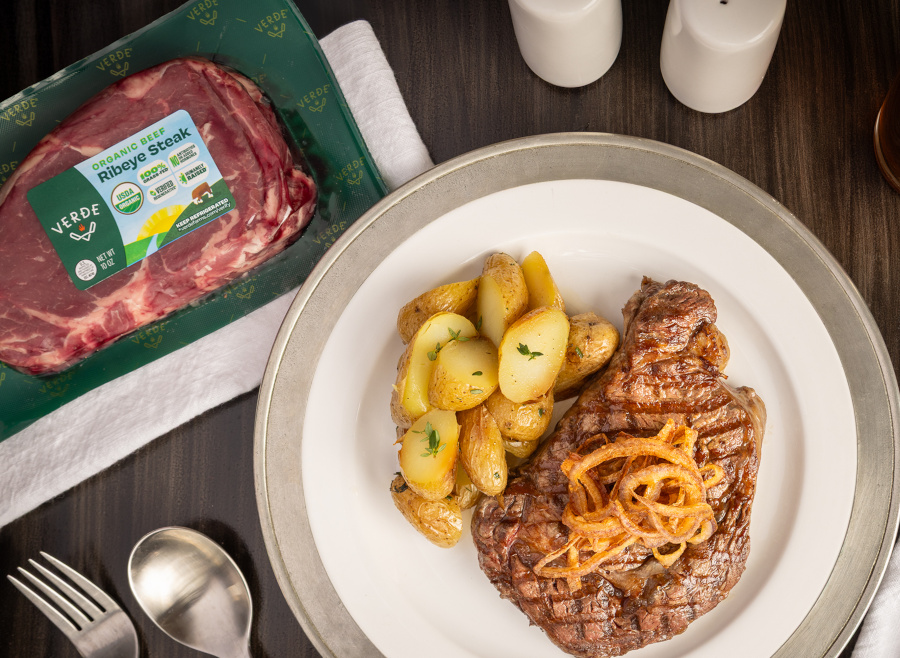
Photos courtesy of Verde Farms
Quality, nutrition and trust
As the health and wellness movement continues to dominate the food and beverage industry, organic meat is positioned to capture more consumer interest. Johnson noted that organic meat tends to be more nutrient dense, with higher levels of key nutrients like omega-3s and CLA.
Consumer trust is a key driver for the natural and organic meat categories. Johnson said brands that fail to clearly communicate their claims risk losing consumer trust. He added that brands winning in today’s market clearly communicate their commitments, noting that transparency is not just “nice to have” anymore; it’s the baseline for consumer trust.
Pallaoro noted that consumers are looking past front-of-pack claims. “‘Natural’ is no longer enough on its own—it needs to be backed by clear, verifiable practices. Transparency has become a key driver of trust,” he said.
Demand for natural and organic meat is gaining traction, but accessibility is still a barrier for many consumers. While transparency and premium attributes are driving interest, cost remains a key factor shaping purchasing decisions. “Consumers are moving beyond simple front-of-pack claims and asking deeper questions about how their food is produced,” Pallaoro said. “At the same time, shoppers are balancing ideals with affordability, which puts pressure on brands to communicate value clearly.” This tension between premium attributes and price sensitivity continues to shape how products are positioned, particularly as brands work to justify higher price points through quality, sourcing and transparency.
The natural and organic meat category is positioned for continued growth, particularly as traceability and nutrition gain attention at both retail and foodservice.
Sullivan said premium and artisanal products are expected to outpace commodity offerings, as consumers increasingly prioritize products with clear sourcing stories, simple ingredient lists and a differentiated eating experience.
Though the natural and organic meat category is already positioned for continued growth, producers also see strong potential for brands that communicate a complete value proposition, combining transparency, convenience and product quality into a cohesive narrative.
Looking for a reprint of this article?
From high-res PDFs to custom plaques, order your copy today!