US cattle groups criticize tariff exemption for Brazilian beef
Cattle groups say the tariff decision leaves US producers competing with Brazilian beef despite USTR findings that the bovine products are directly associated with illegal deforestation.
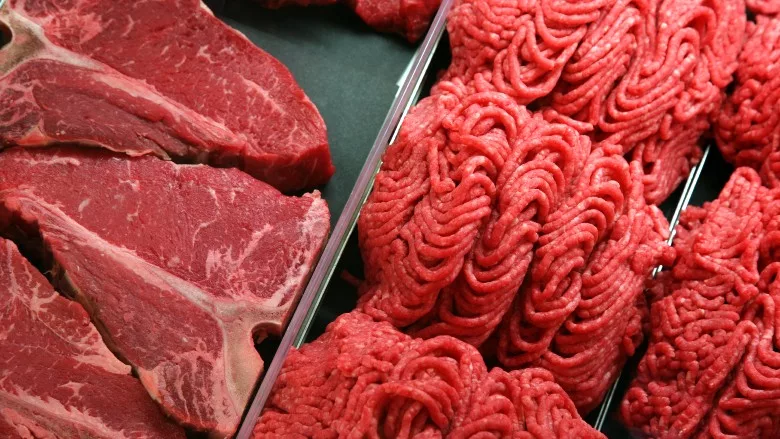
Steak and ground beef
Effective July 22, 2026, the United States Trade Representative and the president will impose a 25% tariff on many goods from Brazil, but beef and beef products will be exempted from the new tariffs.
The tariffs on many of Brazil’s goods are the result of an investigation by the USTR under section 301 of the Trade Act of 1974, which authorizes tariffs on goods from countries whose acts, policies or practices are unreasonable and burden or restrict U.S. commerce.
Beef was expressly identified in the investigation as a Brazilian good directly associated with illegal deforestation, a practice the USTR found to be actionable. The USTR, however, determined that the United States would somehow be harmed if a tariff were placed on Brazil’s beef, either because the USTR believed there was a shortage of beef in the US and more beef could not be obtained from other sources; the US could not produce sufficient volumes of beef; a tariff would cause economywide disruptions; or that a tariff would not lead to the elimination of the particular practice the USTR sought to reform.
R-CALF USA calls the USTR decision 'a grave mistake'
In response to the USTR’s decision to exempt Brazil’s beef and beef products from the new tariff, R-CALF USA CEO Bill Bullard issued a statement:
“We believe the USTR exempted Brazil’s beef from the new tariff regime in an effort to lower beef prices in the domestic market, but that strategy is fundamentally wrong and dangerous to national security.
“In a competitive marketplace, increased imports would be expected to increase domestic supplies and lower consumer prices, but the US cattle and beef markets are not competitive – they are controlled by giant monopolistic corporations.
“The domestic beef packing and beef retail industries are highly concentrated, and the handful of dominant corporations in those industries wield their tremendous market power to exact higher margins for themselves whenever they can source cheaper imports from abroad.
“That’s why beef prices continued to climb to record levels even during years when cattle prices were depressed by increasing import volumes. It’s also why the all-time record import volumes beginning in 2023 have had no effect on consumer beef prices but have enabled the retail sector to capture all-time record margins by buying their inputs low and selling to consumers high.
“Excessive import volumes entering the US over the past many years have contributed substantially to the liquidation of the US cattle herd, reducing it to the smallest size in 75 years. More record imports, as are now being led by the record volumes of Brazilian-sourced imports, will further impede investments to expand the US herd and lead to even more ranchers exiting the industry.
“The USTR has made a grave mistake and is providing a windfall to the two Brazilian-owned beef packers – JBS and Marfrig – that are among the four largest beef packers in the United States.
“It is critical to national security that the US become self-sufficient in the production of such a critical dietary protein as beef, but the USTR’s decision will undermine that objective and harm both ranchers and consumers. We urge the USTR to reconsider its decision.
“In response to the USTR’s misguided decision, congressional enactment of mandatory country of origin labeling (MCOOL) for beef is imperative. Only with MCOOL can consumers choose to buy their beef from a country that evidence shows has failed to address illegal deforestation and has a history of food safety corruption, or from the United States of America, where beef is produced under the most stringent production and food safety standards in the world.”
USCA says USTR decision is a step backward for the industry
The United States Cattlemen’s Association (USCA) expressed disappointment and concern regarding the US Trade Representative’s decision to fully exempt Brazilian bovine products from Section 301 tariffs. This announcement comes despite USTR’s own findings that Brazil’s acts, policies, and practices are unreasonable and burden, or restrict, US commerce.
During the Section 301 investigation, USCA urged USTR to impose strong, comprehensive tariffs on all Brazilian bovine products—including carcasses, cuts, trim, and edible offal—based on extensive evidence of illegal deforestation, coerced labor and systemic corruption in Brazil’s livestock supply chains.
“USTR has acknowledged that Brazil’s practices are harming US commerce,” said USCA President Justin Tupper. “That sends exactly the wrong message—to Brazil, to multinational packers, and to independent US cattle producers. It tells bad actors that they can keep doing what they’re doing and still enjoy premium access to the most valuable beef market in the world.”
USCA will continue to press USTR and other federal agencies to tighten enforcement at the border and will work with Congress on additional tools to ensure that US producers are not forced to compete against supply chains that ignore basic environmental and labor standards.
“Our message to producers is simple,” Tupper said. “We’re not walking away from this fight. This decision was not the step forward our industry needs – it’s a step backward. USCA will keep fighting for trade policy that matches the reality you live with on your balance sheets, even if today’s decision falls short of that mark.”
Sources: R-CALF USA; USCA
Looking for a reprint of this article?
From high-res PDFs to custom plaques, order your copy today!