Provisioner logo
Provisioner logo
search
cart
facebook twitter linkedin youtube
  • Sign In
  • Create Account
  • Sign Out
  • My Account
Provisioner logo
Provisioner logo
  • NEWS
    • Industry News
    • Supplier News
    • Case Studies
    • Recalls
    • Regulations
    • New Consumer Products
  • EXCLUSIVES
    • Newsletters
    • Source Book
    • Sponsored Insights
    • Events
    • Webinars
    • Classifieds
    • White Papers
    • Provisioner Store
    • Market Research
  • MEAT PROCESSING
    • SUSTAINABILITY
    • Processing
    • Packaging
    • Ingredients
    • Formulation
    • Food Safety
    • Special Reports
    • Commentary
  • PROFILES
    • Processor Profiles
    • Processor of the Year
    • Top 100 Processors
  • MEDIA
    • Videos
    • Podcasts
  • DIRECTORY
  • MIHOF
  • INDEPENDENT PROCESSOR
  • EMAG
    • eMagazine
    • ARCHIVE ISSUES
    • Contact
    • Advertise
  • JOIN!
BeefSpecial Reports

Chew on this: U.S. consumers eating less meat

By Roger Meissen
April 13, 2012
Less steak may be a new American reality that’s here to stay.

The average U.S. consumer is eating less meat and poultry in general, a shift in consumption that reflects tighter budgets, fewer animals on the market and more meat going to foreign countries.   

beef

The feed factor can be pointed to as a top culprit, affecting meat production from hooves to feathers.

“In the last several years we’ve expanded ethanol production a great deal, using 40 percent of U.S. corn produced in 2011,” said Ron Plain, a University of Missouri Extension economist. “As we ramp that usage up, there’s less feed available for cattle, hogs and poultry, and with less feed comes reduced meat production.”

The high price corn garners at the elevator not only pushes up feed costs, it persuades farmers to convert pasture to corn production. That translates to higher costs for the consumer at the meat counter. Rising prices and a troubled U.S. economy are leading some people to choose less expensive alternatives to meat.

“We know that when costs go up, things like the house payment and the car payment are not flexible, so the only place where you’re flexible in your budget is with the food dollars,” said Tammy Roberts, MU Extension nutrition specialist. “The most expensive food you buy at the grocery store generally is meat, so people stretch the meat and buy less.”

The drop in U.S. meat consumption is most dramatic in the beef industry, with Americans eating 25 percent less beef than they were in 1980. But people aren’t just cutting down on steaks and burgers. According to USDA estimates, U.S. meat consumption in 2012 will be down 12.2 percent from five years ago. That works out to almost 23 pounds less per person than in 2007, dropping average total meat consumption to about 165 pounds in 2012.

In a country that eats about one-sixth of all meat worldwide, nutrition experts suggest less meat might not be a bad thing. USDA recommendations for a balanced diet call for far less meat than what the average American actually eats.

“The proper portion of meat on a plate is really about 2-3 ounces, and just to put that in perspective for you, a deck of cards is about what 3 ounces of meat looks like,” Roberts said. “The average American only needs about 5.5 ounces of meat every day. There are many of us who eat that at one meal.”

Yet lower U.S. consumption doesn’t mean lower demand or prices, Plain said. Increased exports and smaller herds will likely keep meat prices high. Steer prices are up more than 15 cents per pound from a year ago in places, recently topping $1.25. For a 1,200-pound steer, that means $180 more per animal.

“In 2011, we saw a record beef exports, record pork exports, record turkey exports and record broiler exports,” Plain said. “In fact, a lot of foreign markets are able to outbid U.S. consumers for meat now, causing us to lose ground relative to foreign consumers.”

With a growing world population and alternative fuel needs, this trend doesn’t look to turn around any time soon.

“Less meat and more people means smaller supplies per American,” Plain said. “And the way we ration that smaller size is with higher prices. So consumers here in 2012 will look at record meat prices, and look at eating less meat than they have in a number of years.”

KEYWORDS: meat consumption meat production

Share This Story

Looking for a reprint of this article?
From high-res PDFs to custom plaques, order your copy today!

Roger Meissen is the senior information specialist at the University of Missouri Cooperative Media Group. Contact him at MeissenR@missouri.edu or (573) 884-8696. For more information on the test, contact Azlin Mustapha at (573) 882-2649. Also, further details are available in a recently published article in the Journal of Food Science.

Recommended Content

JOIN TODAY
to unlock your recommendations.

Already have an account? Sign In

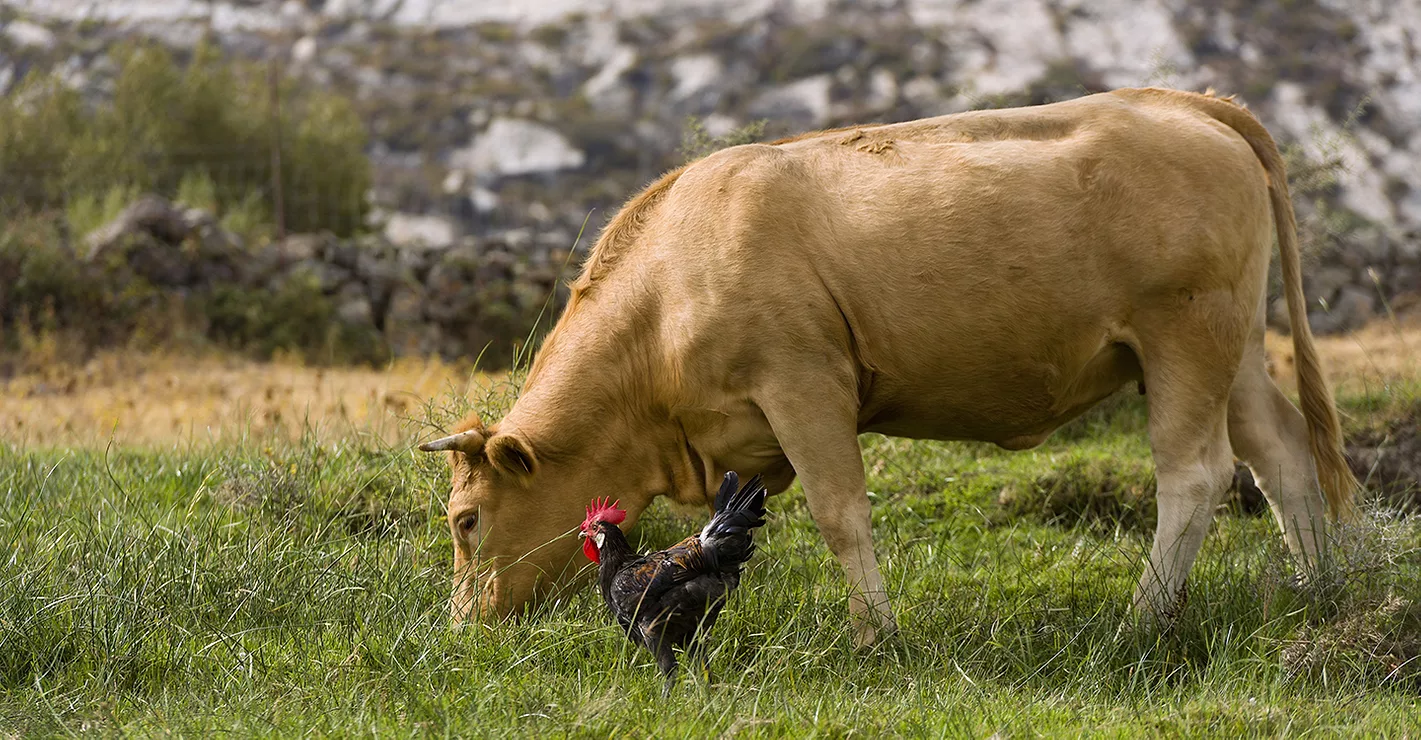
  • A cow eating grass and a chicken standing next to it in a field.

    The Top 100 Meat & Poultry Processors of 2026

    The 2026 Top 100 Meat & Poultry Processors highlights...
    Special Reports
    By: Fred Wilkinson
  • Breaded chicken nuggets on a white plate.

    Food safety programs prioritize prevention, verification, and traceability

    Across processing operations, food safety strategies are...
    Meat and Poultry Industry News
    By: Sammy Bredar
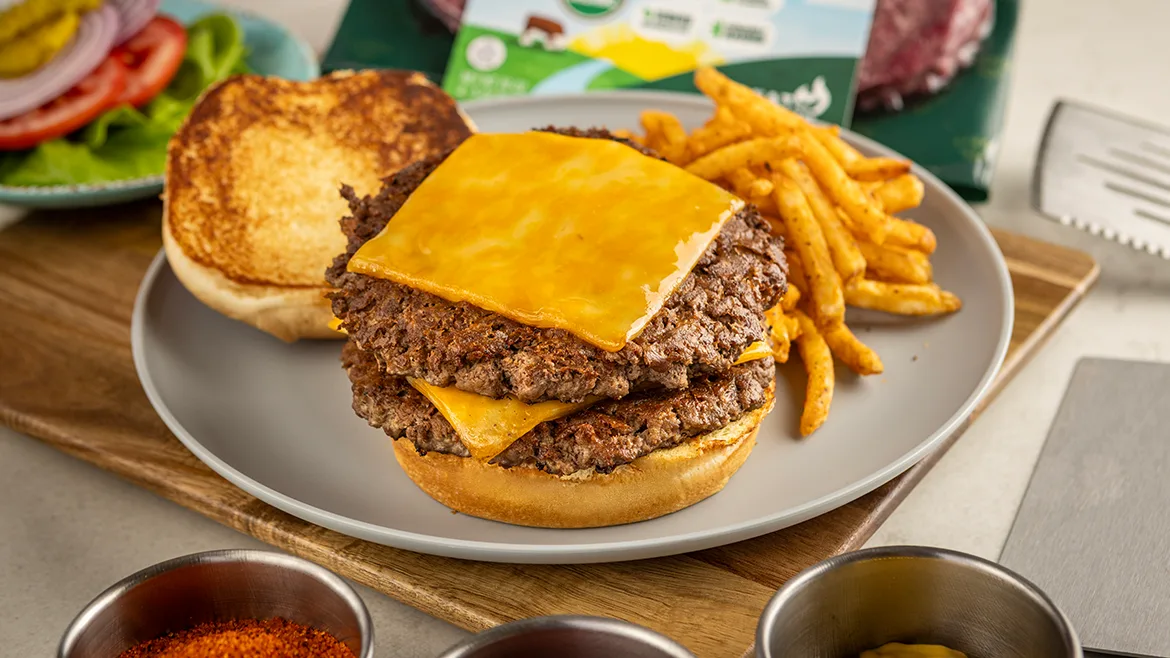
  • An open double cheeseburger on a white plate, the top bun beside it, along with a side of seasoned fries.

    How convenience is driving summer grilling innovation in 2026

    Demand for high-quality, convenience-driven formats...
    Independent Processor
    By: Sammy Bredar
You must login or register in order to post a comment.

Report Abusive Comment

Manage My Account
  • eMagazine Subscriptions
  • Manage My Preferences
  • Newsletters
  • Online Registration
  • Subscription Customer Service
  • Connect with The National Provisioner

More Videos

Sponsored Content

Sponsored Content is a special paid section where industry companies provide high quality, objective, non-commercial content around topics of interest to the The National Provisioner audience. All Sponsored Content is supplied by the advertising company and any opinions expressed in this article are those of the author and not necessarily reflect the views of The National Provisioner or its parent company, BNP Media. Interested in participating in our Sponsored Content section? Contact your local rep!

close
  •  two individuals standing by a farm gate
    Sponsored byPIC

    When PRRS Hits Home: The Chinn Family’s Story and a Hopeful Future

  • A smiling man carrying a grocery basket is reaching down to pick up a package of meat in a grocery store.
    Sponsored byPIC

    The Green Light: New Data Shows 12-to-1 Support for Pork from PRRS-Resistant Pigs

  • Close up of a grocery cart full of groceries, a cropped image of a couple pushing the cart and a blurred background of the vegetable aisle.
    Sponsored byPIC

    New Market Research Finds Consumers in Eight Key Pork Markets Are Likely to Purchase Pork from Gene-Edited Pigs

Popular Stories

Butchers processing hanging beef carcasses in meat processing plant

Meat Institute says meatpacking industry restructuring won’t lower beef prices

Kroger logo

Kroger to acquire Giant Eagle for $1.65B

Corporate headquarters groundbreaking

PS Seasoning and Pro Smoker reveal new parent company at headquarters groundbreaking

2026 Top 100 Meat & Poultry Processors Report

Events

January 1, 2030

Webinar Sponsorship Information

For webinar sponsorship information, visit www.bnpevents.com/webinars or email webinars@bnpmedia.com.

View All Submit An Event

Products

Food Crime: An Introduction to Deviance in the Food Industry

Food Crime: An Introduction to Deviance in the Food Industry

See More Products
The National Provisioner 2026 Food Safety Report

Related Articles

  • Something to Chew On

    See More
  • Grocery shoppers buy less meat, poultry, and dairy, despite purchasing fresh goods

    Grocery shoppers buy less meat, poultry, and dairy, despite purchasing fresh goods

    See More
  • U.S. consumers hooked on health benefits of fish, Cargill survey finds

    See More

Related Products

See More Products
  • meat.jpg

    Handbook of Meat and Meat Processing, 2nd Edition

  • GlobalData_logo_blue_header.png

    Frozen Meat (Meat) Market in the United States of America - Outlook to 2023...

See More Products

Related Directories

  • U.S. Meat Export Federation

    The mission of USMEF is to “increase the value and profit opportunities for the U.S. beef, pork, and lamb industries by enhancing demand in export markets through a coordinated and collaborative partnership of all stakeholders.” Simply put, USMEF is “Putting U.S. Meat on the World’s Table.” USMEF has the most diverse membership of any trade association in the meat and livestock industry. USMEF represents beef/veal producers and feeders, pork producers and feeders, lamb producers and feeders, packers and processors, purveyors and traders, oilseeds producers, feedgrains producers, farm organizations, and supply and service organizations.
  • U.S. Poultry & Egg Assn.

    U.S. Poultry & Egg Association is the world’s largest poultry association, representing the entire industry as an “All Feather” Association. Membership includes producers and processors of broilers, turkeys, ducks, eggs, breeding stock, and allied companies. USPOULTRY is also the managing partner for the International Production & Processing Expo (IPPE).
×

Stay ahead of the curve. Unlock a dose of cutting-edge insights.

Receive our premium content directly to your inbox.

SIGN-UP TODAY
  • RESOURCES
    • Advertise
    • Contact Us
    • Directories
    • Store
    • Want More
  • SIGN UP TODAY
    • Create Account
    • eMagazine
    • Newsletter
    • Customer Service
    • Manage Preferences
  • SERVICES
    • Marketing Services
    • Reprints
    • Market Research
    • List Rental
    • Survey/Respondent Access
  • STAY CONNECTED
    • LinkedIn
    • Facebook
    • YouTube
    • X (Twitter)
  • PRIVACY
    • PRIVACY POLICY
    • TERMS & CONDITIONS
    • DO NOT SELL MY PERSONAL INFORMATION
    • PRIVACY REQUEST
    • ACCESSIBILITY

Copyright ©2026. All Rights Reserved BNP Media, Inc. and BNP Media II, LLC.

Design, CMS, Hosting & Web Development :: ePublishing