Ingredient technology to produce clean-label products that meet quality expectations is leading development in gums, binders and other emulsifiers. Additionally, use of gums, binders and emulsifiers to make plant-protein-based meat analogs more similar to meat products continues to progress, says Wes Schilling, professor of food science at Mississippi State University.
Driven by consumer preference for natural or clean-label products, shelf-life-extending ingredients that are growing continue to be natural or clean-label ingredients.
Salt contributes much to meat products — flavor, water-holding capacity and food safety. The top challenge for meat and poultry processors is that sodium comes primarily from the sodium chloride in brines, marinades and seasonings along with the leavening agents in batters and breadings and the sodium bicarbonate in bread crumbs.
Is 'clean label' really required? Meat and poultry processors are increasingly switching to additives with health halos to enhance the quality of proteins, but such changes are not always necessary.
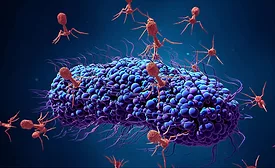
The biggest change occurring with antimicrobial ingredients is the increased use of natural antimicrobials, especially in the formulation of cured products.
Consumers have decided that they want clean-label products, with easy-to-pronounce, recognizable ingredients. They want nitrite-free, nitrate-free, GMO-free, allergen-free products.
Clean labels are certainly here to stay, but what replaces the chemicals being erased from marinades? “Everyone is waiting for the miracle molecule that will replace phosphate,” says Terry Houser, Ph.D., associate professor at Kansas State University, in Manhattan, Kan. “But I’m not aware of one so far. Phosphate is a unique application and hard to replace.”