.webp?height=168&t=1666223298&width=275 "USDA logo")
Articles Tagged with ''crops''
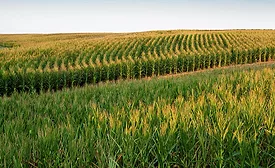
Ukraine situation complicates global outlook for key crops
Global politics add further complications to cost-effectively delivering products to customers.
Read More

Tech | Meat Science Review
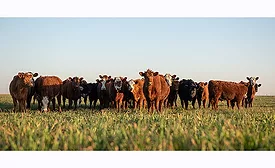
Improving steak tenderness and enhancing sustainability with Brassica cover crops
Brassica cover crops used to enhance sustainability can improve strip steak tenderness without sacrificing live performance during backgrounding
Read More

Business Strategies | 2020 Crop Report
2020 Crop Report: Buyer’s market, despite uncertainty
Read More


Business Strategies
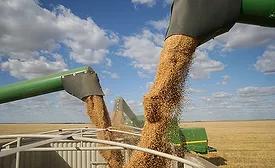
2016 crops: Flying high at the end of July
At presstime, the corn crop forecast looked good for protein producers for the third year in a row.
Read More