 RSS
RSS
Meat and Poultry Processing

Processing Technology
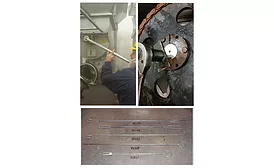
Employee education is the answer
The quality of training is a crucial factor in the performance of meat and poultry workers, but properly educating employees can be a big undertaking.
Read More

Processing Tech
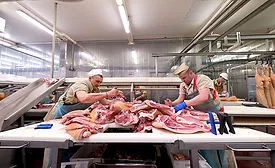
Automation in meatpacking plants: Manual transition
Cutting, deboning and trimming techniques mainly rely on worker skill, but automation is catching up, particularly in non-beef species.
Read More


Processing Technology
Training, engagement drive worker safety
A variety of tools and methods help employees improve their own workplace safety.
Read More

ITR Economics Market Snapshot | U.S. Beef
Signs of growth in U.S. beef production despite downward price pressure
Read More





Cooked meat and poultry: waiting for the burn
Demand for cooked meat and poultry is on the upswing and preparation technologies are efficient, but generating mainstream acceptance of additional products remains a challenge.
Read More

Processing Technology
Forming technology shapes up
Technology is essential for developing high-quality protein products in specific sizes and shapes, but equipment is just one component necessary for success.
Read More