While sales opportunities are strong in the sector, processors seeking to grow activity will likely face a host of complex production requirements inherent to developing cooked, fried and smoked options. They include financial, technological and administrative issues.
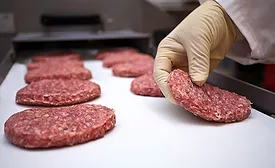
Meat, poultry and seafood processors can bolster operations by leveraging optimal forming technologies, but there are limits to what the equipment can provide.
The use of precise forming technologies can enable processors to more easily create high- quality meat, poultry and seafood selections while garnering greater operating efficiencies.
Very few companies have put much thought into the processes of removing obsolete items from the inventory and disposing of them. Yet this task is fundamental to managing spare parts obsolescence and, by extension, is fundamental to spare parts inventory management.
Machine lubrication is crucial if meat and poultry processors are to sustain operating efficiencies and maximize revenues. Yet it is an element many plant managers neglect.
Whole-muscle products are employing new cuts, which introduce consumers to unique flavors and textures; however, consumers may view these new products as being unsafe, instead of just different.
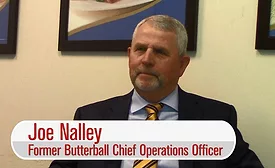
In this video interview, former Butterball COO Joe Nalley discusses how companies have used vertical integration to become more efficient and what drives efforts toward efficiency.
Process Expo, North America’s largest food processing event, produced by the Food Processing Suppliers Association (FPSA), will offer more than 15,000 industry professionals the opportunity to see thousands of products and services from 600 exhibiting companies.
 RSS
RSS