RSS
RSS

Meat and Poultry Processing


Tech | Supplier's Perspective
Deskless, but not disconnected
The digital communication revolution has arrived for frontline employees.
Read More

Tech | Protein Problem Solver
Leverage packaging to help reduce food waste, promote sustainability
Read More

Tech | Processing
Alternative proteins: ripe for the picking
Revenue opportunities abound for traditional meat and poultry processors in the plant-based sector, but operators must first master the category’s unique dynamics.
Read More
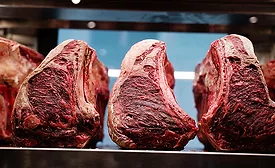
Tech | Meat Science Review
Surveying the dry-aged beef crust
Microbial communities on dry-aged beef in commercial meat processing facilities.
Read More


Food Safety | Rapid Testing
Rapid testing enhances capabilities but must be accurate
Swift testing for microbials can enhance food safety and cut product waste, but obtaining the results in a timely manner can be daunting.
Read More

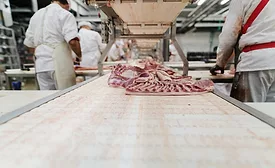
Processing | Conveyors & Beltings
Keeping product rolling along safely
Sanitizing conveyors and belts efficiently is essential for food safety, reduced operating expenses.
Read More