 RSS
RSS

Meat and Poultry Processing



Processing Tech
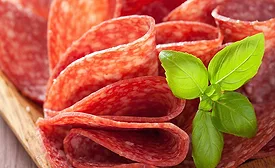
New slicers: A slice above the rest
New slicer features improve food safety, worker ergonomics and slicing results.
Read More


2016 Food Safety Report
How acceptance inspection can improve safety, quality, bottom-line costs
Read More
2016 Food Safety Report
The very fabric of food safety in the meat industry
Apparel that helps diminish the spread of contaminants in meat and poultry plants has become more prevalent and popular.
Read More


Mixing technology steps up to the plate
New generation mixing technologies positioned to enhance production capabilities and protein attributes are part of growing automation movement in meat and poultry plants.
Read More

Resource conservation: The power to change meat and poultry plants
The excessive use of energy and water is rampant in many meat and poultry plants, but a focus on conservation can result in large economic paybacks.
Read More

Robotics and automation in meat and poultry plants
Robotics are on course to be mainstays in meat and poultry plants as the technologies become more dynamic and cost effective.
Read More