 RSS
RSS

Meat and Poultry Processing

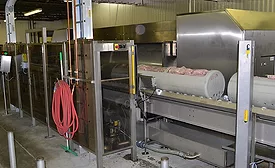
High pressure is rising
Companies of all sizes are taking advantage of the food safety benefits that high-pressure processing brings.
Read More


Injecting marinades: Reward, not without risk
Injecting marinades into proteins can enhance product quality and help generate greater revenues, but food safety is an ongoing issue.
Read More


Rail intermodal: right on track
Today’s high-tech advances and attention to safety allow rail intermodal to gain steam ahead.
Read More
Ovens, fryers and smokehouses
Cooking meat and poultry: effectively, efficiently
Evolving cooking technologies enable meat and poultry plants to cut costs without sacrificing food quality and safety.
Read More
Meat Science Review
Skeletal muscle growth and selecting, finishing of cattle
Activity of skeletal muscle satellite cells and shift of skeletal muscle fiber types over time in finishing cattle.
Read More