Denver voters reject ordinance banning slaughterhouses
Proposal would have threatened up to 20% of US lamb production.
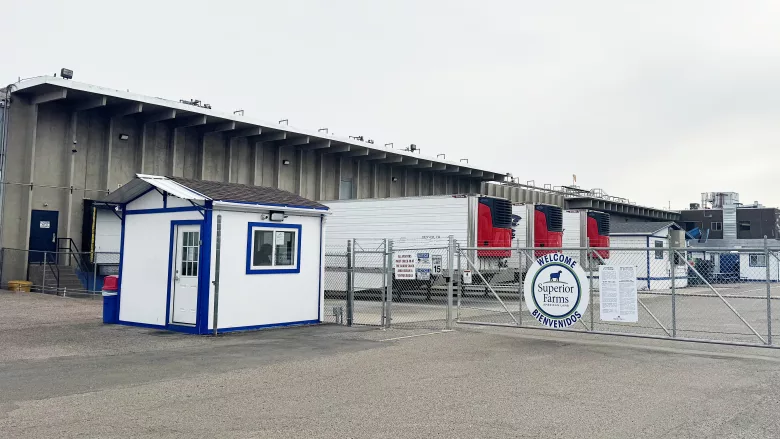
Photo credit: Superior Farms
Activists behind the proposed ordinance in Denver see it as a test case for similar measures elsewhere, says Superior Farms Director of Marketing Bob Mariano.
Voters in Denver decisively rejected a ballot measure that would have banned slaughterhouses from operating within city limits.
In Nov. 5, 2024, balloting, nearly two-thirds (64.6%) opposed the slaughterhouse ban — Denver’s Initiated Ordinance 309.
If passed, Initiated Ordinance 309 would have shut down a Superior Farms lamb processing facility located within the Denver city limits. That closure threatened to disrupt 15% to 20% of US lamb processing capacity. According to a Colorado University study, the ban could have cost Denver's economy up to $861 million and threatened more than 2,700 jobs.
"They're losers. And we're winners," Superior Farms CEO Rick Stott said regarding results of the vote.
Colorado ranks as the nation's third-largest producer of sheep and lambs, according to the American Sheep Industry Association. The employee-owned Superior Farms processing operation in Denver's Globeville neighborhood harvests around 300,000 lambs each year, with products shipping across the country.
The push for the ordinance banning slaughterhouses in Denver was initiated by the animal-rights advocacy group Pro-Animal Future.
Looking for a reprint of this article?
From high-res PDFs to custom plaques, order your copy today!