Provisioner logo
Provisioner logo
search
cart
facebook twitter linkedin youtube
  • Sign In
  • Create Account
  • Sign Out
  • My Account
Provisioner logo
Provisioner logo
  • NEWS
    • Industry News
    • Supplier News
    • Case Studies
    • Recalls
    • Regulations
    • New Consumer Products
  • EXCLUSIVES
    • Newsletters
    • Source Book
    • Sponsored Insights
    • Events
    • Webinars
    • Classifieds
    • White Papers
    • Provisioner Store
    • Market Research
  • MEAT PROCESSING
    • SUSTAINABILITY
    • Processing
    • Packaging
    • Ingredients
    • Formulation
    • Food Safety
    • Special Reports
    • Commentary
  • PROFILES
    • Processor Profiles
    • Processor of the Year
    • Top 100 Processors
  • MEDIA
    • Videos
    • Podcasts
  • DIRECTORY
  • MIHOF
  • INDEPENDENT PROCESSOR
  • EMAG
    • eMagazine
    • ARCHIVE ISSUES
    • Contact
    • Advertise
  • JOIN!
Meat and Poultry Industry NewsFood SafetyRegulationsBeef

US suspends Mexico cattle, bison imports

Mexico notifies APHIS of New World screwworm detection in a cow in the southern Mexico state of Chiapas, at an inspection checkpoint close to the border with Guatemala.
By Industry News
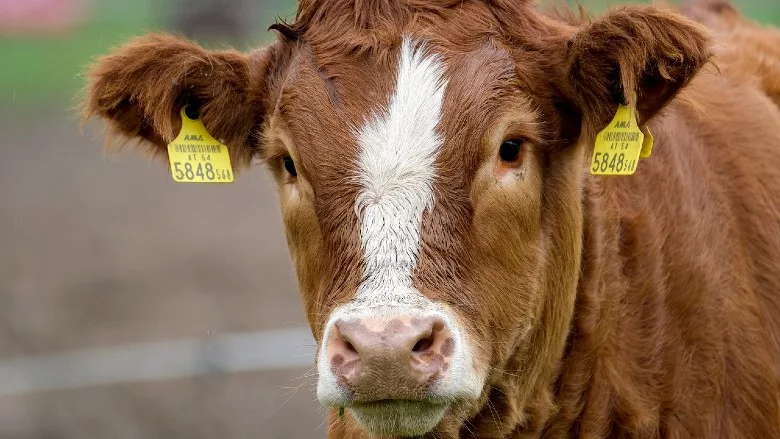
Cow
Image by Nicky from Pixabay

Photo courtesy of Nicky/Pixabay

November 25, 2024

On Nov. 22, 2024, the Chief Veterinary Officer of Mexico notified the United States Department of Agriculture’s Animal and Plant Health Inspection Service of a positive detection of New World screwworm in Mexico. The NWS was found in a cow in the southern Mexico state of Chiapas, at an inspection checkpoint close to the border with Guatemala. NWS are fly larvae that infest living tissue of warm-blooded animals, causing infection. 

“Given the northward movement of NWS, APHIS has in recent months stepped up its efforts in Central America to partner with impacted countries to push this pest out of newly affected areas,” said Dr. Rosemary Sifford, chief veterinary officer of the United States. “With this latest find in Mexico, we will further intensify this work to protect American agriculture and reestablish the barrier in Central America.”

Given the severity of the threat from NWS, APHIS is restricting the importation of animal commodities originating from or transiting Mexico effective immediately and pending further information from Mexican veterinary authorities on the size and scope of the infestation. Live cattle and bison are the animal commodities impacted by this restriction. A complete list of regions APHIS recognizes as affected by screwworm, as well as more detailed information on trade restrictions, are available on the USDA APHIS Animal Health Status of Regions website. 

NWS maggots can infest livestock and other warm-blooded animals, including people. They most often enter an animal through an open wound and feed on the animal’s living flesh. While they can fly much farther under ideal conditions, adult flies generally do not travel more than a couple of miles if there are suitable host animals in the area.

APHIS is working with partners in Mexico and Central America to stop the spread of NWS into the United States and asking all producers along the southern border to watch their livestock and pets for signs of NWS and immediately report potential cases. 

Screwworm infestations are difficult to detect at first. APHIS advises checking pets and livestock for draining or enlarging wounds, and signs of discomfort, as well as screwworm larvae or eggs. Screwworm eggs are creamy and white and are deposited on or near the edges of superficial wounds. Those suspecting an animal of having screwworm infection should contact their veterinarian.

Since 2006, APHIS has collaborated with Panama to maintain a barrier zone in eastern Panama, working to prevent the northward movement of NWS from South America to NWS-free areas in Central and North America. In the last two years, screwworm has spread north of the barrier throughout Panama and into Costa Rica, Nicaragua, Honduras, Guatemala and now Mexico. This increase is due to multiple factors including new areas of farming in previous barrier regions for fly control, and increased cattle movements into the region. APHIS is releasing sterile flies through aerial and ground release at strategic locations throughout Central America.

APHIS will continue working with partners in Mexico and Central America to eradicate NWS from the affected areas and to reestablish the biological barrier in Panama.

Source: USDA's APHIS

KEYWORDS: animal disease APHIS imports livestock

Share This Story

Looking for a reprint of this article?
From high-res PDFs to custom plaques, order your copy today!


Recommended Content

JOIN TODAY
to unlock your recommendations.

Already have an account? Sign In

  • A cow eating grass and a chicken standing next to it in a field.

    The Top 100 Meat & Poultry Processors of 2026

    The 2026 Top 100 Meat & Poultry Processors highlights...
    Meat and Poultry Processing
    By: Fred Wilkinson
  • Breaded chicken nuggets on a white plate.

    Food safety programs prioritize prevention, verification, and traceability

    Across processing operations, food safety strategies are...
    Food Safety
    By: Sammy Bredar
  • An open double cheeseburger on a white plate, the top bun beside it, along with a side of seasoned fries.

    How convenience is driving summer grilling innovation in 2026

    Demand for high-quality, convenience-driven formats...
    Independent Processor
    By: Sammy Bredar
You must login or register in order to post a comment.

Report Abusive Comment

Manage My Account
  • eMagazine Subscriptions
  • Manage My Preferences
  • Newsletters
  • Online Registration
  • Subscription Customer Service
  • Connect with The National Provisioner

More Videos

Sponsored Content

Sponsored Content is a special paid section where industry companies provide high quality, objective, non-commercial content around topics of interest to the The National Provisioner audience. All Sponsored Content is supplied by the advertising company and any opinions expressed in this article are those of the author and not necessarily reflect the views of The National Provisioner or its parent company, BNP Media. Interested in participating in our Sponsored Content section? Contact your local rep!

close
  •  two individuals standing by a farm gate
    Sponsored byPIC

    When PRRS Hits Home: The Chinn Family’s Story and a Hopeful Future

  • A smiling man carrying a grocery basket is reaching down to pick up a package of meat in a grocery store.
    Sponsored byPIC

    The Green Light: New Data Shows 12-to-1 Support for Pork from PRRS-Resistant Pigs

  • Close up of a grocery cart full of groceries, a cropped image of a couple pushing the cart and a blurred background of the vegetable aisle.
    Sponsored byPIC

    New Market Research Finds Consumers in Eight Key Pork Markets Are Likely to Purchase Pork from Gene-Edited Pigs

Popular Stories

Butchers processing hanging beef carcasses in meat processing plant

Meat Institute says meatpacking industry restructuring won’t lower beef prices

JBS USA logo

JBS USA closing pair of processing facilities

Kroger logo

Kroger to acquire Giant Eagle for $1.65B

2026 Top 100 Meat & Poultry Processors Report

Events

July 16, 2026

Strengthening Food Safety Plans for Modern Processing Operations

The live webinar will explore the latest technologies, emerging risks, and practical strategies shaping food safety programs across meat and poultry processing operations. Attendees will hear from industry experts on key challenges impacting processors today, along with approaches for strengthening and updating food safety plans across their facilities.

January 1, 2030

Webinar Sponsorship Information

For webinar sponsorship information, visit www.bnpevents.com/webinars or email webinars@bnpmedia.com.

View All Submit An Event

Products

Food Crime: An Introduction to Deviance in the Food Industry

Food Crime: An Introduction to Deviance in the Food Industry

See More Products
The National Provisioner 2026 Food Safety Report

Related Articles

  • Cattle

    Mexico cattle and bison imports resume to US under new protocol

    See More
  • USDA logo

    USDA suspends cattle and bison imports from Mexico

    See More
  • USDA logo

    USDA reopens select border ports for Mexico cattle and bison

    See More
×

Stay ahead of the curve. Unlock a dose of cutting-edge insights.

Receive our premium content directly to your inbox.

SIGN-UP TODAY
  • RESOURCES
    • Advertise
    • Contact Us
    • Directories
    • Store
    • Want More
  • SIGN UP TODAY
    • Create Account
    • eMagazine
    • Newsletter
    • Customer Service
    • Manage Preferences
  • SERVICES
    • Marketing Services
    • Reprints
    • Market Research
    • List Rental
    • Survey/Respondent Access
  • STAY CONNECTED
    • LinkedIn
    • Facebook
    • YouTube
    • X (Twitter)
  • PRIVACY
    • PRIVACY POLICY
    • TERMS & CONDITIONS
    • DO NOT SELL MY PERSONAL INFORMATION
    • PRIVACY REQUEST
    • ACCESSIBILITY

Copyright ©2026. All Rights Reserved BNP Media, Inc. and BNP Media II, LLC.

Design, CMS, Hosting & Web Development :: ePublishing