Scanning technology aims to prevent mass bird culling
Precision-based disease detection ensures only chickens and turkeys infected with avian influenza are culled, while healthy flocks remain intact.
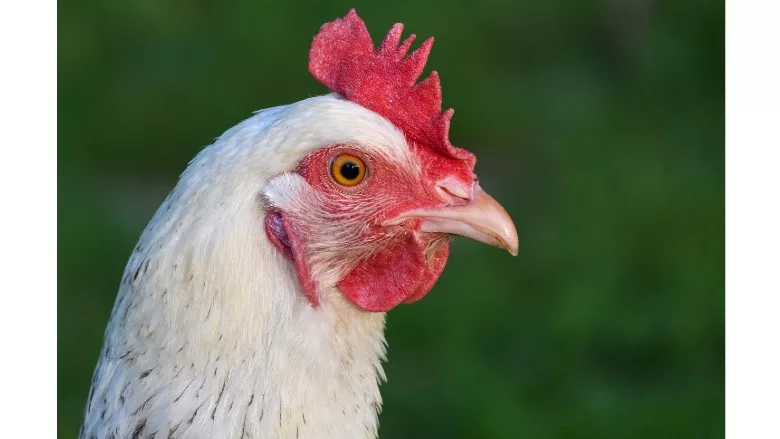
Courtesy of Christel Sagniez/Pixabay
In response to the escalating crisis of mass poultry culling due to avian influenza, Base Molecular Resonance Technologies announced a breakthrough application of its multi-patented Base Molecular Resonance technology that can detect infected animals instantly, eliminating the need for indiscriminate mass culling.
Since the onset of the current avian influenza outbreak, more than 166 million birds, including chickens and turkeys, have been culled in the United States, many of which were not infected. Testing data indicates that only 5-10% of these birds would have likely tested positive for the virus. In the last quarter alone, over 20 million egg-laying chickens were culled, further tightening egg supplies and driving up prices. These indiscriminate culling practices have cost poultry farmers millions of dollars, impacting food production and straining supply chains.
As a result, egg prices have surged in response from $2.50 to $5.63, reaching as high as $12 in some areas. BMRT's technology provides an immediate and scalable solution to this crisis by enabling real-time precision-based disease detection, ensuring that only infected birds are culled while healthy flocks remain intact.
Robert Short, BMRT co-founder and CEO, said, "Right now, millions of chickens are being slaughtered out of fear rather than necessity. Our technology eliminates that uncertainty. With a simple scan, we can pinpoint infected animals with 100% accuracy, allowing farmers and regulators to respond with surgical precision instead of widespread devastation. This is a major step forward for global food security, animal welfare, and the agricultural economy."
Expanding to cattle, pork and more
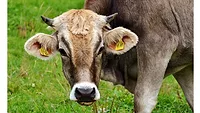
Beyond poultry, BMRT's molecular resonance technology can be adapted to detect diseases in cattle, swine and other livestock, helping to prevent outbreaks such as Mad Cow Disease, African Swine Fever and Foot-and-Mouth Disease.
"Bird flu is just the beginning," said Lee Duke, BMRT co-founder and president. "We can detect disease in livestock at the molecular level before symptoms even appear, allowing for rapid intervention that safeguards the food supply and protects farmers from catastrophic losses. This is the future of disease detection."
BMRT's technology has been independently validated by a third-party study conducted by the Center for Applied Innovation at York St. John University in England. The landmark study confirmed BMRT's 100% accuracy in detecting gunpowder, illegal drugs, cancer and other threats in both blind and double-blind tests, with no false positives or false negatives. The same precision and reliability now apply to disease detection in the agricultural industry.
Looking for a reprint of this article?
From high-res PDFs to custom plaques, order your copy today!