Provisioner logo
Provisioner logo
search
cart
facebook twitter linkedin youtube
  • Sign In
  • Create Account
  • Sign Out
  • My Account
Provisioner logo
Provisioner logo
  • NEWS
    • Industry News
    • Supplier News
    • Case Studies
    • Recalls
    • Regulations
    • New Consumer Products
  • EXCLUSIVES
    • Newsletters
    • Source Book
    • Sponsored Insights
    • Events
    • Webinars
    • Classifieds
    • White Papers
    • Provisioner Store
    • Market Research
  • MEAT PROCESSING
    • SUSTAINABILITY
    • Processing
    • Packaging
    • Ingredients
    • Formulation
    • Food Safety
    • Special Reports
    • Commentary
  • PROFILES
    • Processor Profiles
    • Processor of the Year
    • Top 100 Processors
  • MEDIA
    • Videos
    • Podcasts
  • DIRECTORY
  • MIHOF
  • INDEPENDENT PROCESSOR
  • EMAG
    • eMagazine
    • ARCHIVE ISSUES
    • Contact
    • Advertise
  • JOIN!
Meat and Poultry Industry NewsMeat and Poultry ProcessingFood SafetyPlant Design/ManagementRegulations

Food safety by design: What process engineers need from their sanitary components

For process engineers, equipment choices must go beyond performance and efficiency.
By Stephanie Bruce
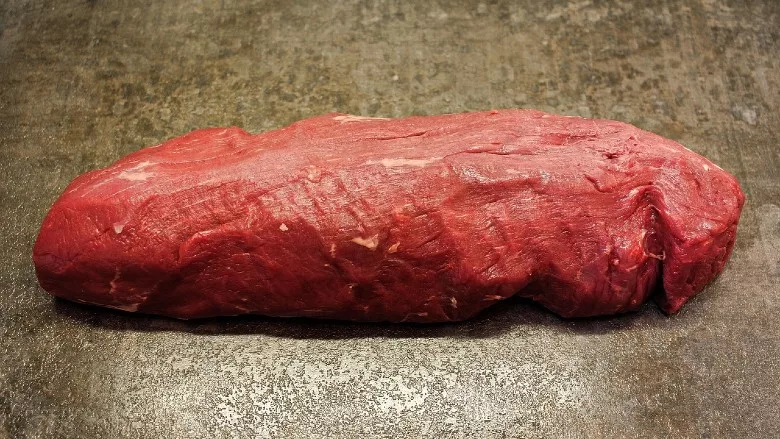
Fresh beef
Reinhard Thrainer/Pixabay
May 26, 2025

In meat and poultry processing, food safety is not an isolated responsibility — it’s engineered into every system, line and connection. For process engineers, this means that equipment choices must go beyond performance and efficiency. Sanitary components, from pipes and valves to couplings and gaskets, must be designed to eliminate contamination risks before they arise. When these components meet rigorous safety standards and are thoughtfully integrated, they help ensure consistent product quality, regulatory compliance and public health protection. 

Key features that support safety and cleanability 

At the heart of this design approach is a clear understanding of what makes sanitary components safe and effective. That starts with sanitary fittings — the foundational elements that connect much of the processing system. Following are key features that process engineers should prioritize when selecting sanitary fittings for meat and poultry processing environments: 

  • Use of high-grade materials — Opt for 304 or 316 stainless steel, which are nonreactive, corrosion resistant and compatible with both food products and aggressive cleaning agents.
  • Smooth internal surfaces — Interior finishes should be polished to minimize microbial harborage and simplify cleaning. Avoid fittings with rough or pitted surfaces.
  • Flush, polished welds — All welds should be smooth and continuous to eliminate crevices where bacteria can accumulate or grow.

Equally important is the component’s ability to withstand repeated clean-in-place or steam-in-place processes. Engineers should ensure that sanitary components can maintain their seal and structural integrity under temperature fluctuations, high-pressure washdowns and aggressive chemicals. Failure here can lead to system leaks or bacterial growth in hard-to-reach areas, both of which jeopardize product safety. 

Designing for compliance and uptime

Regulatory compliance is another essential consideration for meat and poultry processors. Components used in meat and poultry facilities must meet standards set by the USDA and FDA, and often 3-A Sanitary Standards. These certifications ensure that equipment is not only safe but also constructed to minimize risk throughout its service life. Process engineers should demand documentation and verifiable testing from suppliers to confirm compliance. A component that lacks this proof can lead to costly inspections, shutdowns or worse — product recalls. 

Smart design also means minimizing downtime. Sanitary components should be easy to disassemble, inspect and reassemble. This is especially important in high-throughput environments where every minute counts. Quick-release clamps, modular fittings and visual indicators can all help maintenance teams work faster without compromising on sanitation standards. Good design also promotes consistent installation, reducing variability and human error that could otherwise introduce risk. 

Strategic layout and supplier collaboration

The layout and integration of these components also deserve attention. For example, fittings and valves should be installed to encourage full drainage and avoid dead legs—sections of piping where flow stagnates and contamination can occur. Process engineers should work closely with layout teams to ensure the overall design supports hygienic flow patterns and simplifies access for routine cleaning and inspections. 

Communication with suppliers must be addressed. A reputable supplier of sanitary components will offer more than just part; they’ll provide guidance, technical support and customized solutions to meet the specific needs of your processing environment. Look for suppliers who understand the demands of meat and poultry facilities and who prioritize documentation, quality assurance, and long-term partnerships. 

In short, process engineers must approach food safety as a design imperative. The components used to move, mix, and hold product must be selected with an eye toward microbial control, ease of sanitation, and full regulatory alignment. Whether it's a gasket, a valve or a complete piping system, every sanitary component should contribute to a safer, more resilient processing operation. 

By choosing sanitary fittings and systems with these priorities in mind, professionals in meat and poultry processing not only protect the integrity of their products but also they protect their teams, their brands and the consumers they serve. 

KEYWORDS: processing equipment sanitary design principles sanitary equipment design

Share This Story

Looking for a reprint of this article?
From high-res PDFs to custom plaques, order your copy today!

Stephanie bruce headshot

Stephanie Bruce is an accomplished Marketing Manager at Steel & O’Brien, a premier manufacturer of sanitary fittings, valves, pumps and more. Stephanie has nearly 20 years of experience driving strategic initiatives for B2B manufacturers and specializes in go-to-market (GTM) campaigns, SEO, content development and brand management. Her expertise lies in crafting integrated marketing strategies that align business goals with market demands, ensuring impactful engagement across all channels.

Recommended Content

JOIN TODAY
to unlock your recommendations.

Already have an account? Sign In

  • Double Charburger

    Premiumization drives burger category

    Shoppers seek out premium meat offerings to fulfill...
    Beef
    By: Sammy Bredar
  • JJS Adult Pekin duck

    Poultry Report 2025: Convenience propels poultry at retail

    Despite continued economic pressures, the poultry...
    Meat and Poultry Industry News
    By: Sammy Bredar
You must login or register in order to post a comment.

Report Abusive Comment

Manage My Account
  • eMagazine Subscriptions
  • Manage My Preferences
  • Newsletters
  • Online Registration
  • Subscription Customer Service
  • Connect with The National Provisioner

More Videos

Sponsored Content

Sponsored Content is a special paid section where industry companies provide high quality, objective, non-commercial content around topics of interest to the The National Provisioner audience. All Sponsored Content is supplied by the advertising company and any opinions expressed in this article are those of the author and not necessarily reflect the views of The National Provisioner or its parent company, BNP Media. Interested in participating in our Sponsored Content section? Contact your local rep!

close
  • A smiling man carrying a grocery basket is reaching down to pick up a package of meat in a grocery store.
    Sponsored byPIC

    The Green Light: New Data Shows 12-to-1 Support for Pork from PRRS-Resistant Pigs

  • Close up of a grocery cart full of groceries, a cropped image of a couple pushing the cart and a blurred background of the vegetable aisle.
    Sponsored byPIC

    New Market Research Finds Consumers in Eight Key Pork Markets Are Likely to Purchase Pork from Gene-Edited Pigs

  • Close up of a young pig with a blurred background.
    Sponsored byPIC

    New Research Forecasts Significant Economic and Market Impacts with PRRS-Resistant Pig Adoption

Popular Stories

JBS USA logo

JBS USA closing pair of processing facilities

Various new Primal snack sticks on a table amongst pencils, apples, a pair of glasses, lunch bags and a water bottle.

Protein demand drives snacking occasions

Several cuts of beef, pork and chicken on a wooden board, cast iron pan and salt.

Validated thermal lethality data and a new tool for ensuring safety of RTE meats

2026 Top 100 Meat & Poultry Processors Report

Events

January 1, 2030

Webinar Sponsorship Information

For webinar sponsorship information, visit www.bnpevents.com/webinars or email webinars@bnpmedia.com.

View All Submit An Event

Products

Food Crime: An Introduction to Deviance in the Food Industry

Food Crime: An Introduction to Deviance in the Food Industry

See More Products
From Fresh to Frozen in 3 Minutes Flat: Unlocking the Secrets to Temperature Control Webinar Sponsored by Air Products

Related Articles

  • US Food tender by design

    US Foods solves operators’ steak challenges with Tender by Design process

    See More
  • Sanitary Food Processing Facility

    Sanitary design leads to improved food safety

    See More
  • Spare Parts: By design or evolution?

    See More

Related Products

See More Products
  • food safety.jpg

    Food Safety in the Seafood Industry: A Practical Guide for ISO 22000 and FSSC 22000 Implementation

  • Food Plant Sanitation: Design, Maintenance, and Good Manufacturing Practices, Second Edition

  • utilization.jpg

    Food Processing By-Products and their Utilization

See More Products

Events

View AllSubmit An Event
  • March 1, 2010

    Food Plant of the Future: Advancing Food Safety through Sanitary Design

    On demand Food and beverage companies work hard to consistently deliver safe products because they understand that the stakes are extremely high for the public and for their companies.
  • April 25, 2013

    Food Plant of the Future: Global Food Safety Impact on Facilities

    On demand SQF 2000, FSMA, ISO 22000/PAS220 and other standards continue to gain traction in an attempt to create safer foods and beverages.
View AllSubmit An Event
×

Stay ahead of the curve. Unlock a dose of cutting-edge insights.

Receive our premium content directly to your inbox.

SIGN-UP TODAY
  • RESOURCES
    • Advertise
    • Contact Us
    • Directories
    • Store
    • Want More
  • SIGN UP TODAY
    • Create Account
    • eMagazine
    • Newsletter
    • Customer Service
    • Manage Preferences
  • SERVICES
    • Marketing Services
    • Reprints
    • Market Research
    • List Rental
    • Survey/Respondent Access
  • STAY CONNECTED
    • LinkedIn
    • Facebook
    • YouTube
    • X (Twitter)
  • PRIVACY
    • PRIVACY POLICY
    • TERMS & CONDITIONS
    • DO NOT SELL MY PERSONAL INFORMATION
    • PRIVACY REQUEST
    • ACCESSIBILITY

Copyright ©2026. All Rights Reserved BNP Media, Inc. and BNP Media II, LLC.

Design, CMS, Hosting & Web Development :: ePublishing