Why prices won't sit still: Examining the forces behind food cost volatility
Producers and retailers learn to operate with less forecasting confidence than they once had.
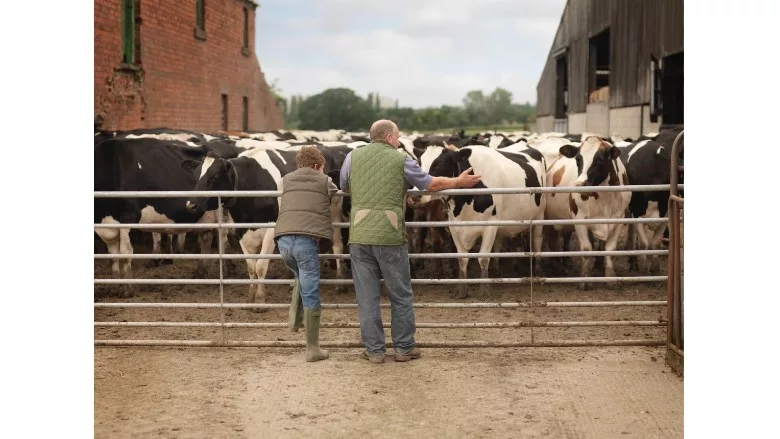
Cattle on the ranch
Food price volatility is no longer a temporary ripple on the radar of supply chains. It's become a persistent feature, influenced by a range of factors that continue to pressure producers, distributors and consumers alike. Nowhere is this fluctuation more pronounced than in the meat industry. Understanding what drives these sharp changes is critical for anticipating and responding to future shifts in cost.
Feed costs and crop vulnerability
At the foundation of meat production lies the agricultural chain. When droughts sweep through the Midwest or international conflicts limit fertilizer exports, feed prices surge. Even moderate disruptions can push feed costs up significantly, which immediately increases the baseline expense of raising animals. Fluctuations here can ripple throughout the system almost immediately.
Recent years have seen wild swings in both domestic crop yields and international grain supply, influenced by weather unpredictability and fluctuating energy prices. High fuel costs don’t just make transporting livestock more expensive; they also increase the expense of producing and distributing feed itself. Combined, these shifts often arrive with limited warning and substantial downstream impact.
Labor shortages and plant operations
Processing facilities remain vulnerable to labor volatility. Recruiting and retaining skilled workers in slaughterhouses and processing plants has been a persistent challenge, and the pandemic deepened these staffing gaps. Shortages affect throughput, shift scheduling and safety compliance, all of which can reduce plant efficiency and add cost to each pound of product processed.
Wages and benefits have increased across the board, which directly affects the price of meat at wholesale and retail levels. While higher pay is essential for workforce stability, it is also one of the more difficult costs to offset. Automation may provide long-term relief, but the upfront investment and implementation timeline place limits on how quickly it can make a measurable difference.
Regulations and compliance costs
Policy and regulatory shifts often arrive with ripple effects. New animal welfare guidelines, inspection protocols or labeling requirements can introduce short-term expense and long-term structural change. For instance, legislation that requires more space per animal or modifies transport rules means producers must adapt facilities and fleets. These changes take time and funding, and until systems adjust, temporary inefficiencies are reflected in the cost of meat.
Trade regulations also shape meat pricing in unexpected ways. If an export partner imposes tariffs or lifts import limits, domestic supply and demand dynamics shift quickly. This can send prices upward or downward depending on the scale and timing of the change, with little room for producers to buffer against sudden shifts.
Consumer behavior and market demand
Retail patterns shift with economic confidence. When inflation accelerates or wage growth slows, consumers make different choices at the meat counter. Cheaper cuts gain popularity, or plant-based proteins increase market share. These subtle changes in demand often affect the product mix and production planning for processors, which can result in changes to how inventory is managed and how waste is minimized.
Seasonal demand cycles still matter, but their predictability has weakened. Pandemic-related buying behavior, combined with shifts in consumer priorities and income uncertainty, has blurred once-reliable peaks and valleys. As a result, producers and retailers are learning to operate with less forecasting confidence than they once had.
Global forces and disease risk
Animal disease outbreaks, such as avian flu or African swine fever, have disrupted global meat supply chains on several occasions in the past five years. A single outbreak can cut output dramatically, require emergency slaughter and close export routes. The economic aftershock can take months to resolve and often results in higher prices due to constrained supply.
The meat industry operates on a global scale. Volatility becomes baked into long-term pricing models, especially as biosecurity remains a moving target. In response, some producers are reevaluating their sourcing strategies, and others are turning to data analytics to forecast better. There is also growing interest in cross-industry insights, as shown by the influence of dairy risk management strategies making their way into meat supply planning.
Volatility in meat prices is unlikely to subside anytime soon. For consumers, this means continued fluctuation in the cost of meat products. For producers and processors, the goal is no longer perfect stability but rather resilience. Strategies that worked five years ago may no longer apply. A more flexible approach to planning and resource allocation will define success in this next phase of food production. For more information, look over the accompanying resource below.

Looking for a reprint of this article?
From high-res PDFs to custom plaques, order your copy today!