Provisioner logo
Provisioner logo
search
cart
facebook twitter linkedin youtube
  • Sign In
  • Create Account
  • Sign Out
  • My Account
Provisioner logo
Provisioner logo
  • NEWS
    • Industry News
    • Supplier News
    • Case Studies
    • Recalls
    • Regulations
    • New Consumer Products
  • EXCLUSIVES
    • Newsletters
    • Source Book
    • Sponsored Insights
    • Events
    • Webinars
    • Classifieds
    • White Papers
    • Provisioner Store
    • Market Research
  • MEAT PROCESSING
    • SUSTAINABILITY
    • Processing
    • Packaging
    • Ingredients
    • Formulation
    • Food Safety
    • Special Reports
    • Commentary
  • PROFILES
    • Processor Profiles
    • Processor of the Year
    • Top 100 Processors
  • MEDIA
    • Videos
    • Podcasts
  • DIRECTORY
  • MIHOF
  • INDEPENDENT PROCESSOR
  • EMAG
    • eMagazine
    • ARCHIVE ISSUES
    • Contact
    • Advertise
  • JOIN!
Meat and Poultry Industry NewsMeat and Poultry ProcessingFood SafetyRegulations

Unlocking meat quality in Brazil: Strategies for North American broiler production

What can North American poultry processors learn from Brazil’s production strategy?
By Kelen Zavarize
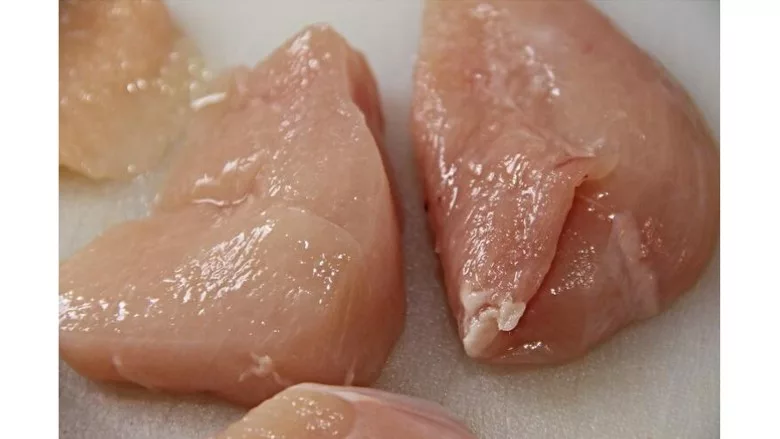
Raw chicken
Pixabay

Raw chicken

July 30, 2025

Brazil’s broiler industry is recognized for its scale and efficiency, but beneath the numbers lies a production system shaped by persistent challenges, many of which North American poultry producers and processors will find familiar. From managing feed costs and supporting muscle quality to improving livability, Brazil’s broiler producers are rewriting the playbook on how to create high-performing, high-quality birds in a sometimes chaotic environment.

As the second-largest poultry producer globally and the leader in broiler meat exports, Brazil’s reputation is often linked to trade. But what’s more compelling—and more relevant to US processors—is the planning and practical actions necessary to meet rising expectations for bird quality, welfare, and economic viability.

Health and biosecurity

When highly pathogenic avian influenza burst onto the scene, producers and government officials alike in Brazil took notice, stepping up efforts to mitigate the risk of the virus impacting flocks. Despite efforts, on May 15, 2025, Brazil confirmed its first-ever case of HPAI. Trade was suspended, birds were culled, but thanks to the quick activation of the Ministry of Agriculture’s National Contingency Plan, on June 18 the country declared itself “bird flu free” and aimed at resuming exports; the World Organization for Animal Health confirmed the designation shortly after the announcement, demonstrating that quick action makes a difference in containing the spread. 

Brazil’s HPAI plans and response are a good example for poultry industries around the world. Swift, concentrated effort with cooperation from every angle of the industry makes a difference when it comes to disease response.

Muscle myopathies and meat downgrades

Brazil enforces one of the most rigorous meat inspection systems in the world. While this ensures high food safety standards, it also results in significant meat losses due to strict condemnation criteria. Wooden breast, white striping, skin lesions, footpad dermatitis, arthritis and other muscle myopathies plague processors. These quality issues reduce yields, affect consumer satisfaction and lead to costly downgrades or condemnations at the plant.

Effective farm management and transportation practices are crucial for minimizing processing losses. These are approaches used in Brazil to help ensure meat quality.

  • Proper fasting and transport timing: The ideal pre-slaughter fasting window is between 6-8 hours, including catching and transport time. This window can reduce contamination during processing and minimize carcass loss due to excessive gastrointestinal content. Transport must be done carefully to preserve bird welfare and physical integrity.
  • Well-trained catching teams: Properly trained and supervised teams help prevent fractures, bruises and contusions–common causes of partial carcass condemnations.
  • Appropriate density and ventilation: Maintaining ideal bird density per square meter and ensuring adequate airflow are critical to reduce heat stress and prevent skin and foot lesions such as footpad dermatitis.
  • Proper litter management: Litter must remain dry, loose and evenly distributed in the barn throughout the production cycle. Excessive moisture, poor ventilation and fecal accumulation increase the risk of dermatitis, bacterial contamination and microbial load, all of which impact carcass quality at slaughter.
  • Effective downtime between flocks: Ensuring the barn has adequate downtime with thorough cleaning and disinfection between flocks is essential to reduce pathogen pressure and prevent systemic contamination that could lead to carcass condemnation.

Nutritional support

Nutrition has a direct impact on carcass and footpad quality and is a strategic tool to reduce condemnations, skin lesions and structural alterations that compromise processing outcomes. The use of high-quality, scientifically supported feed additives fosters strong muscles, tissues and fibers and helps to reduce visual defects and carcass rejections at the plant.

  • Trace mineral supplementation: Field and university trials have shown that proper trace mineral balance, including organic zinc, copper, and manganese in the bis-chelated form, can reduce the severity of myopathies by as much as 44%. The use of bis-chelated trace minerals in production diets has been linked to improved muscle fiber integrity, reduced oxidative stress and better overall meat consistency, all of which are critical to meeting modern quality standards and growth performance.
  • Antioxidant and muscle fiber protection: Oxidative stress is a known contributing factor to myopathies like wooden breast and white striping. Nutritional strategies that include antioxidants (e.g., vitamin E, selenium and adequate methionine levels) help protect muscle fibers and preserve meat texture and visual appearance.
  • High-quality raw ingredients and enzyme supplementation: Poorly processed feed ingredients with low digestibility can trigger intestinal inflammation, which may contribute to systemic lesions and compromised skin condition. The use of digestive enzymes, such as proteases, improves feed utilization and reduces inflammatory residues that affect peripheral tissues.

The takeaway for North American processors

What can North American poultry processors learn from Brazil’s production strategy?

While the markets may differ, the underlying pressures are the same: economic sustainability, meat quality and bird health. Brazil’s proactive response, centered on biosecurity, protecting meat quality and precision nutrition, offers a model for how upstream decisions can lead to better downstream results.

Processors who collaborate with nutritionists and live production teams to address challenges like muscle myopathies, variability and mortality may see more than just improved quality—they may gain operational consistency, higher yield and better ROI.

KEYWORDS: brazil poultry production quality

Share This Story

Looking for a reprint of this article?
From high-res PDFs to custom plaques, order your copy today!

Kelen zavarize

Kelen Zavarize, Ph.D., is Technical Services Manager for Latin America at NOVUS. She works with broiler producers across Brazil to address performance and meat quality challenges through science-based nutrition strategies.

To learn more, visit www.novusint.com or contact kelen.zavarize@novusint.com.

Recommended Content

JOIN TODAY
to unlock your recommendations.

Already have an account? Sign In

  • Double Charburger

    Premiumization drives burger category

    Shoppers seek out premium meat offerings to fulfill...
    Ingredients
    By: Sammy Bredar
  • JJS Adult Pekin duck

    Poultry Report 2025: Convenience propels poultry at retail

    Despite continued economic pressures, the poultry...
    Meat and Poultry Industry News
    By: Sammy Bredar
You must login or register in order to post a comment.

Report Abusive Comment

Manage My Account
  • eMagazine Subscriptions
  • Manage My Preferences
  • Newsletters
  • Online Registration
  • Subscription Customer Service
  • Connect with The National Provisioner

More Videos

Sponsored Content

Sponsored Content is a special paid section where industry companies provide high quality, objective, non-commercial content around topics of interest to the The National Provisioner audience. All Sponsored Content is supplied by the advertising company and any opinions expressed in this article are those of the author and not necessarily reflect the views of The National Provisioner or its parent company, BNP Media. Interested in participating in our Sponsored Content section? Contact your local rep!

close
  • A smiling man carrying a grocery basket is reaching down to pick up a package of meat in a grocery store.
    Sponsored byPIC

    The Green Light: New Data Shows 12-to-1 Support for Pork from PRRS-Resistant Pigs

  • Close up of a grocery cart full of groceries, a cropped image of a couple pushing the cart and a blurred background of the vegetable aisle.
    Sponsored byPIC

    New Market Research Finds Consumers in Eight Key Pork Markets Are Likely to Purchase Pork from Gene-Edited Pigs

  • Close up of a young pig with a blurred background.
    Sponsored byPIC

    New Research Forecasts Significant Economic and Market Impacts with PRRS-Resistant Pig Adoption

Popular Stories

JBS USA logo

JBS USA closing pair of processing facilities

Various new Primal snack sticks on a table amongst pencils, apples, a pair of glasses, lunch bags and a water bottle.

Protein demand drives snacking occasions

Several cuts of beef, pork and chicken on a wooden board, cast iron pan and salt.

Validated thermal lethality data and a new tool for ensuring safety of RTE meats

2026 Top 100 Meat & Poultry Processors Report

Events

January 1, 2030

Webinar Sponsorship Information

For webinar sponsorship information, visit www.bnpevents.com/webinars or email webinars@bnpmedia.com.

View All Submit An Event

Products

Food Crime: An Introduction to Deviance in the Food Industry

Food Crime: An Introduction to Deviance in the Food Industry

See More Products
From Fresh to Frozen in 3 Minutes Flat: Unlocking the Secrets to Temperature Control Webinar Sponsored by Air Products

Related Articles

  • New Meat Buyers Guide offers resources for North American meat trade

    See More
  • New Meat, Poultry & Seafood Guide outlines best floor, wall finishes for North American brands operating a HACCP-based food safety plan

    See More
  • ADM, Benson Hill collaborate to scale protein soy for North American food ingredient markets

    ADM, Benson Hill collaborate to scale protein soy for North American food ingredient markets

    See More

Related Products

See More Products
  • meat quality.jpg

    Meat Quality: Genetic and Environmental Factors

  • emerging.jpg

    Emerging Technologies in Meat Processing: Production, Processing and Technology

See More Products

Events

View AllSubmit An Event
  • June 11, 2026

    From Fresh to Frozen in 3 Minutes Flat: Unlocking the Secrets to Temperature Control

    On Demand Join Tony Vacaro, Foods Industry Manager, and Emile Klein, Foods Market Strategy Manager at Air Products and Chemicals, Inc. , as they tackle key questions surrounding heat removal in food processing. 
View AllSubmit An Event
×

Stay ahead of the curve. Unlock a dose of cutting-edge insights.

Receive our premium content directly to your inbox.

SIGN-UP TODAY
  • RESOURCES
    • Advertise
    • Contact Us
    • Directories
    • Store
    • Want More
  • SIGN UP TODAY
    • Create Account
    • eMagazine
    • Newsletter
    • Customer Service
    • Manage Preferences
  • SERVICES
    • Marketing Services
    • Reprints
    • Market Research
    • List Rental
    • Survey/Respondent Access
  • STAY CONNECTED
    • LinkedIn
    • Facebook
    • YouTube
    • X (Twitter)
  • PRIVACY
    • PRIVACY POLICY
    • TERMS & CONDITIONS
    • DO NOT SELL MY PERSONAL INFORMATION
    • PRIVACY REQUEST
    • ACCESSIBILITY

Copyright ©2026. All Rights Reserved BNP Media, Inc. and BNP Media II, LLC.

Design, CMS, Hosting & Web Development :: ePublishing