Tech Topics: Antimicrobial Sprays and Dips
Rethinking surface safety: The strategic role of antimicrobial sprays and dips
Treatments not only target foodborne pathogens but also reduce spoilage organisms.
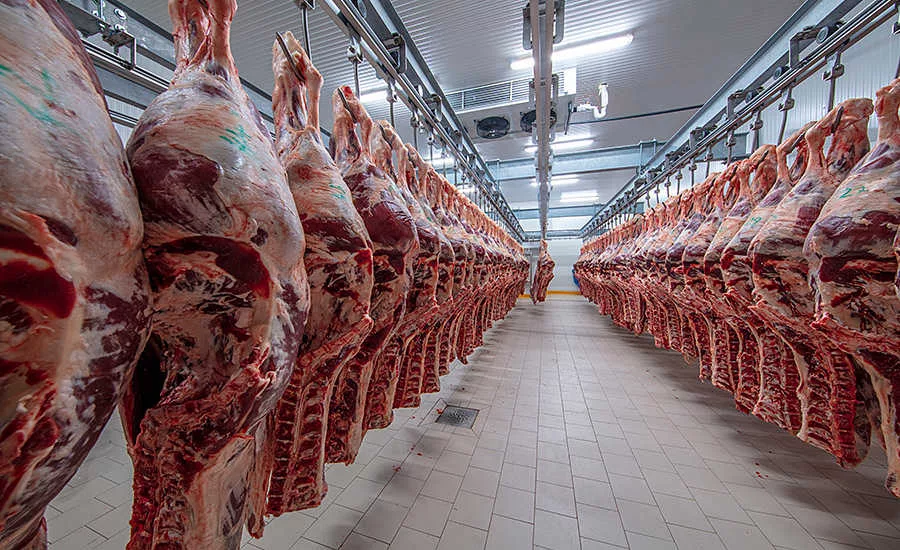
Food safety remains a top priority as consumers, retailers, and regulatory agencies continue to raise their expectations. For meat and poultry processors, the stakes are particularly significant. Preventing microbial contamination is essential, not just for meeting regulatory standards but also for safeguarding public health and preserving brand trust.
Antimicrobial dips and sprays: Targeted interventions with broad impact
Antimicrobial dips and sprays have been integral to the food safety strategies of HACCP planners for decades. These treatments effectively eliminate surface pathogens without affecting the taste, color, or labeling of products. Commonly used during the Initial harvest phase and, in some cases, on ready-to-eat (RTE) items, these methods address potential contamination risks, reducing the chance of pathogens like Listeria, Salmonella, and E. coli surviving on final products.
Quality and shelf life benefits
While antimicrobial solutions provide temporary effects, their impact on product quality and shelf life is considerable. These treatments not only target harmful pathogens but also reduce spoilage organisms, contributing to a safer and longer-lasting product. Models suggest, depending on storage temperature, an additional 2–4 days of aerobic shelf life for fresh meat when effective surface treatments are applied under ideal cold storage conditions. In our experience, lactic acid has consistently demonstrated this benefit. However, achieving concentrations that deliver sustained shelf-life extension may exceed the limits permitted by Directive 7120.1. As such, while short-term spoilage reduction is achievable, any shelf-life gain is not attributed to ongoing residual antimicrobial activity.
Strategic application of surface treatments allows processors to maximize their benefits while minimizing potential drawbacks, such as discoloration or workplace disruptions. A promising opportunity lies in using clean-label ingredients for sprays or dips, offering a balance between consumer-friendly labeling and effective microbial control. Multi-hurdle approaches that combine various processing aids can further enhance shelf-life outcomes without compromising product integrity.
Expanding applications for ready-to-eat products
Emerging evidence suggests that surface-active solutions could also play a role in prolonging the shelf life of RTE meat products. However, careful consideration is essential, as these products lack the internal sterility of whole muscle meats. By implementing tailored interventions, processors can better manage the unique challenges associated with RTE items.
A systems-level perspective on food safety
The most effective use of antimicrobial dips and sprays lies in integrating them into a comprehensive food safety and quality strategy. Rather than treating these solutions as standalone tools, leading processors view them as part of a broader, systems-level approach. By evaluating contamination risks throughout the production lifecycle, manufacturers can apply interventions more strategically where they deliver the greatest benefit.
Technology plays a crucial role in advancing this systems-level perspective. For example, Corbion's AI-powered Listeria Control Model enables processors to simulate and predict microbial behavior under various conditions, such as temperature, pH, and water activity. Updates like dynamic temperature modeling and deep-chill simulation provide actionable insights for antimicrobial strategies, allowing for more precise and effective decision-making.
Resilience through innovation and sustainability
The evolution of antimicrobial surface treatments reflects a larger shift toward innovation, accountability, and transparency in food safety practices. Today’s interventions offer enhanced performance and versatility across a broader range of applications and storage environments. These solutions often integrate seamlessly into existing production lines, minimizing resource use and operational impact. Additionally, by extending shelf life, they reduce food waste and improve overall supply chain efficiency.
Final thoughts
Antimicrobial dips and sprays are essential tools for ensuring food safety in the meat and poultry industry. They provide reliable protection against contamination risks while bolstering regulatory compliance and reinforcing consumer trust. Moving forward, these interventions will likely play a critical role in the industry’s shift toward more innovative, sustainable, and integrated food safety strategies.
By focusing on adaptable and clean-label solutions, manufacturers can not only enhance product safety and quality but also align with consumer expectations and sustainability objectives. With antimicrobial surface treatments, the industry is well-positioned to protect its products, customers, and reputations while driving progress in food safety practices.
Source: Corbion
Looking for a reprint of this article?
From high-res PDFs to custom plaques, order your copy today!