Beef buyers adjusting to uncertainty in the market
Fifth-generation Nebraska cattleman Blake Albers shares insights on market forces shaping beef purchase strategies.
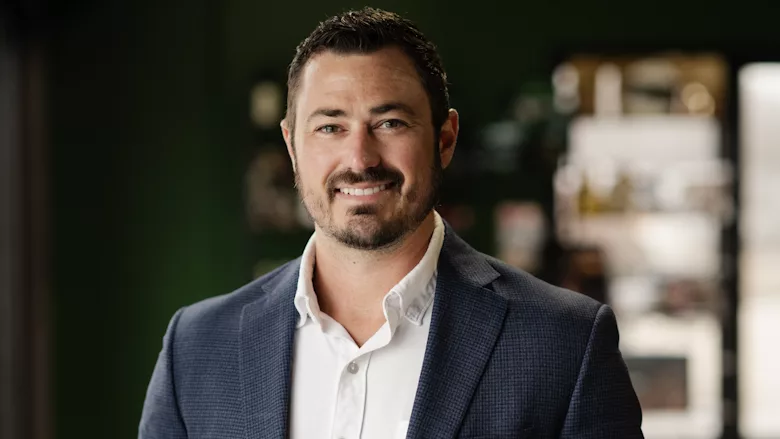
Blake Albers
According to fifth-generation Nebraska cattleman Blake Albers, beef buyers in the current market are saying the most challenging part of beef purchasing right now isn’t price increases. It’s planning around uncertain specs as packer shifts and supply signals continue to move.
In this interview, Albers — founder and CEO of Albers Craft Meats — shares insights on how some buyers are adjusting their 2026 cut plans early, leaning on whole-animal utilization and single-source programs to reduce week-to-week surprises rather than chase spot pricing.
Beyond pricing, what other market influences are driving beef purchasing decisions as 2026 gets underway?
Blake Albers: One of the biggest shifts is the changing consumer perception. Over the past few years we have seen a clear relaxation of the demonization of fats and red meat. We see it on social media as well as in our retail store. What was once framed as something to minimize is now being viewed as a nutrient dense food that is necessary to function at peak levels or stay leaner. Now, we have institutional guidance slowly catching up, and that plays a critical role in many household discussions around the matter. I am sure someone will eat extra Cheerios in spite of it coming during a certain administration, but this has been changing slowly for, shall we say, many administrations. Aside from that, we do see some of our beef eaters that do have their upper limits to purchasing certain cuts, and they will wait for bulk beef sales or choose another cut to stay on budget. The big story though has been that folks are choosing the nutritional profile and the taste and eating experience over anything.
What steps are beef purchasers taking to navigate packer shifts and shifting supply signals?
Blake Albers: This is an interesting one. If you are a player in the everyday market your job is to secure and move beef. This is why we have a bit of sticky demand on the processing and wholesaling side. The business just can't shift gears entirely. Most of us are in foodservice or production for the long haul. We have seen an uptick in the use of cold storage and handling more and more frozen product, which allows companies like mine to take advantage of seasonal moves.
How can beef buyers adjust their cut plans early and lean into whole-animal utilization and single-source programs rather than chasing spot pricing?
Blake Albers: We have a ton of customers that do cattle packs, and that can be extremely helpful. Much like anything, though, you have to be prepared to develop the sales channels for it. The problem I always say is we take one animal and turn it into 500 little problems. Selling that animal in balance is everything. Go in with a plan, and it can be extremely rewarding from both a business standpoint and a personal one. It is a big accomplishment if you can move through the animals in balance. It takes the magic of 400 million people, multiple broadline distributors, and the magic of foodservice, seemingly, to have a use for everything and a long entrenched packing industry to get it done right now.
What approaches can smaller processors take to get the most out of their beef-purchasing dollar in the current market?
Blake Albers: Find a sales channel that you like and run. We have leaned hard into the retail side of moving our bulk beef at aggressive prices and finding niche processing opportunities that are not as impacted by current prices. Value added products — like snack sticks, bacons, etc.—are always a win if you can develop the sales.
Looking for a reprint of this article?
From high-res PDFs to custom plaques, order your copy today!
.webp?height=96&t=1647275041&width=96)