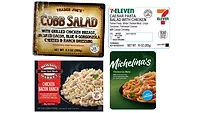
Why accurate labeling is critical for meat and poultry product compliance
A label is a commitment to transparency, truth and consumer trust.
Meat and poultry processing professionals have a legal and public duty to ensure that their products are accurately labeled. This responsibility is enforced by government agencies such as the USDA, as well as the Office of Weights and Measures, which carries authority at federal, state and local levels.
Labels require pre-approval
Labels on meat and poultry can be considered legal documents, since inaccuracies, misrepresentations and intentionally misleading labels are legally accountable by the processor. In fact, the Food Safety and Inspection Service arm of the USDA requires that most meat and poultry labels be pre-approved before use. That pre-approval process can take anywhere from 20-45 business days, so processing professionals should plan accordingly.
Any flagged problems send the label approval back to square one, having to wait and additional length of time, so it’s important to get accurate labeling right the first time.
Traceability
Only when a meat or poultry label is accurately labeled can its origins be traced all the way back. This traceability is crucial when issues arise, similar to clinical trial packaging protocols put in place to protect human life.
For instance, factors like freshness and shelf life depend on knowing exactly when and where a product came from. Say an end user reports an off odor in a ground beef package even though the sell-by date seemed okay. The establishment number and lot code on that label give investigators critical information on which plant produced it, which grind batch it came from, and which supplier provided the trim. That chain of information can help prevent serious illness in the population, plus save other safe meat from being lumped in with the problematic batch and having a sweeping recall across multiple production runs.
In short, that accurate, traceable label saves human health and company money.
Reputations at risk
Accurate labels have a direct impact on reputations. It’s not only brand names, either. Store brands have reputations to protect in the meat and poultry space. Consumers actively share their opinions about meat and poultry brands in person and online. When misinformation or inaccurate information appears on meat and poultry labels, customers are more likely to reach for a brand they trust, over one that’s disappointed them in the past. Importantly, that distrust can happen after a single incident.
Financial penalties
The government doesn’t play around when it comes to meat and poultry violations. There are no slaps on the wrist. There are serious financial penalties at the federal, state and local levels. Levied fines can add up fast. For example, a processor found with repeated allergen declaration errors or consistent net weight violations can face penalties per unit, per shipment or per inspection finding.
Once the red flags are raised, a processor will face an increase in inspections. Often these inspections pull management or workers off the line, which slows production. The cost in money is real.
Office of Weights and Measures
As mentioned, these inspectors operate at federal, state and local levels. The translation means a processor faces oversight from multiple directions at once. This department’s main concern is that when a label declares a certain weight or measurement, that’s what’s inside the package. This ensures that consumers aren’t getting ripped off.
Inspectors aren’t required to announce or identify themselves, either. They can surreptitiously survey meat and poultry packages. If even one package comes in with a variance from the label, that’s going to create a situation where the entire production line gets a closer look. The findings are reported to the appropriate department heads, and fines won’t be far behind.
These are just some of the many reasons why accurate labeling is so critical in the meat and poultry processing industry. A label is a commitment to transparency, truth and consumer trust.
Looking for a reprint of this article?
From high-res PDFs to custom plaques, order your copy today!