World Bank report urges approval of rendered animal proteins in Moroccan aquaculture feed
Report concludes that rendered animal proteins can safely replace 30 to 50% of fishmeal in seabass and seabream diets when properly formulated.
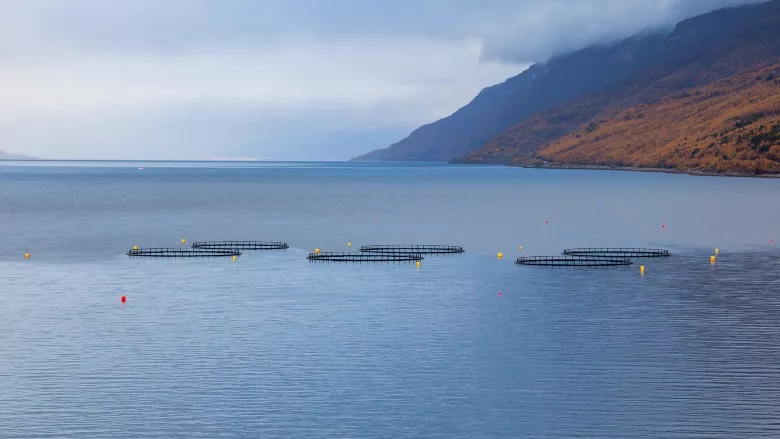
Fish farming pens used in marine aquaculture operations
A new World Bank Group (WBG) report recommends that Morocco move forward with implementation of regulations authorizing the controlled use of rendered animal proteins (RAPs) in aquaculture feed formulations.
The recommendation appears in the World Bank Group’s recently released “Morocco: Country Private Sector Diagnostic,” which identifies the authorization of RAPs in aquafeeds as one of the targeted reforms needed to strengthen the competitiveness, sustainability and resilience of Morocco’s growing marine aquaculture sector.
The North American Renderers Association welcomes the publication. “This is an important international validation of the role rendered animal proteins can play in supporting sustainable aquaculture and global food security,” said NARA President and CEO Kent Swisher. “The World Bank’s findings reinforce what science and industry experience have demonstrated for years: RAPs are safe, sustainable, nutritionally effective feed ingredients that can help reduce costs, improve resilience, and advance circular economy objectives.”
The report notes that feed represents 50 to 75% of operating costs in marine aquaculture, and that Morocco’s current restrictions on RAPs limit flexibility in feed formulation, increase reliance on fishmeal and imported soybean meal and expose producers to international price volatility. According to the report, feed costs in Morocco are estimated to be 15 to 20% higher than in competing Mediterranean countries because of these restrictions.
The World Bank Group specifically recommends that Morocco issue the ministerial order needed to implement Decree No. 2-23-557 of 2024. This order would authorize the controlled use of approved RAPs in aquafeeds under strict sanitary, traceability and quality safeguards, with oversight from Morocco’s National Office for Food Safety, ONSSA.
The report further concluded that RAPs are a “proven, circular economy ingredient” capable of safely replacing 30 to 50% of fishmeal in seabass and seabream diets when properly formulated, without compromising growth performance or product quality.
According to the World Bank Group, allowing RAP use would:
- Reduce feed costs and exposure to fishmeal price volatility;
- Improve profitability and competitiveness for Moroccan aquaculture producers;
- Support private investment in domestic feed production;
- Enhance food system resilience; and
- Support more sustainable use of agricultural byproducts within a regulated framework.
NARA has worked extensively with stakeholders and policymakers to share scientific evidence and international best practices regarding the safe use of rendered animal proteins in animal feed and aquaculture production systems.
“The inclusion of this recommendation in a major World Bank strategy document is particularly significant because it reflects extensive technical review and engagement with Moroccan regulatory authorities and aquaculture stakeholders,” said Dana Johnson Downing, NARA’s SVP of International Programs. “It demonstrates growing international recognition that rendered animal proteins are an important component of sustainable feed systems.”
The World Bank Group report emphasized that RAP use can be safely implemented when subject to appropriate sanitary controls, traceability requirements, and regulatory oversight. The report also states that RAP use would remain aligned with Morocco’s existing food-safety and animal-health framework, with ONSSA maintaining oversight of approvals, monitoring, and compliance.
NARA said the recommendation represents a positive step toward broader regulatory modernization in Morocco and could help pave the way for future trade opportunities involving U.S.-origin rendered animal proteins.
The report also estimates that Morocco’s marine aquaculture sector could attract approximately US$1.96 billion in private investment and support around 75,000 direct and indirect jobs over the medium term if key reforms are implemented, including simplified permitting, better coordination of marine and land-based aquaculture infrastructure, and authorization of RAPs in aquafeeds.
Looking for a reprint of this article?
From high-res PDFs to custom plaques, order your copy today!