Special Report: Co-Packing & Private-Label Opportunities
Processors large and small embrace co-packing opportunities
Private-label products can elevate meat and poultry beyond commodity positioning into premium, differentiated retail product offerings.
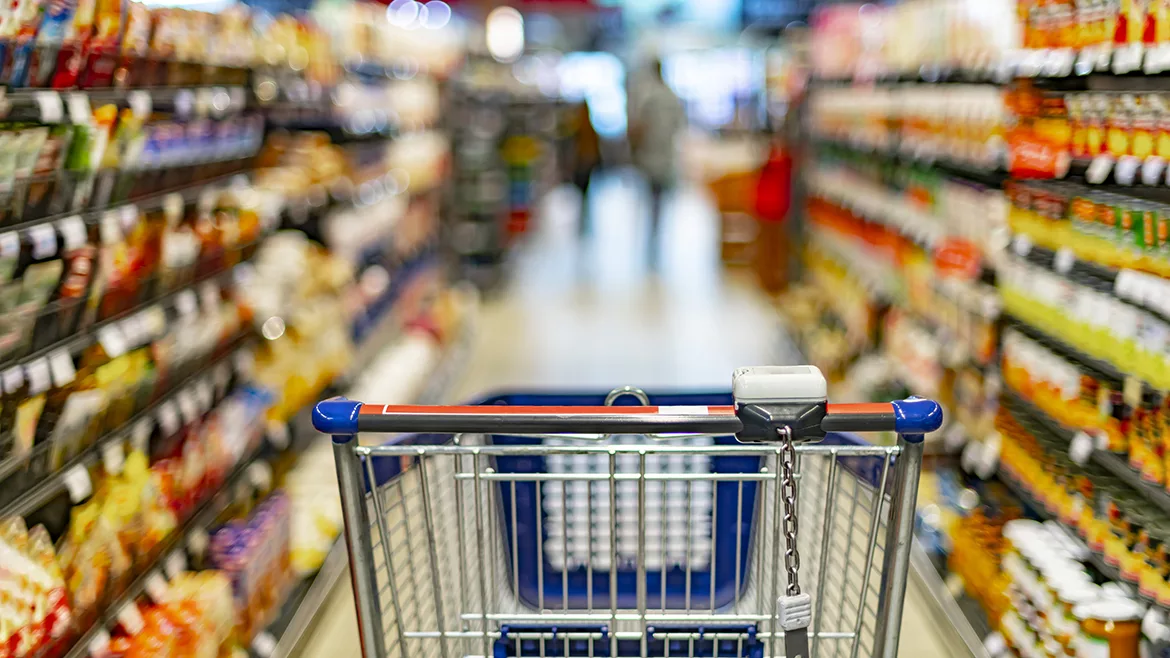
Sales of store brands in the US increased slightly more than $9 billion in 2025 to hit a record $282.8 billion in all outlets, according to the Private Label Manufacturers Association.
PLMA's Circana Unify+ data finds store brand dollar sales increased nearly three times the rate of national brands, climbing 3.3%, Store brand unit volume was up by 434.3 million to 68.7 billion, also a record. This represents a 0.6% increase while national brands declined by -0.6%.
PLMA finds store brand unit sales gains by department for 2025 saw frozen up 0.9%; refrigerated up 0.7% and general food up 0.2%. Refrigerated department private-label sales lead the growth, gaining 6.1% in store brand revenue. Frozen grew 2.4%, and general food grew 1.6%.
For a small meat processor like Summersville, Mo.-based Zimmerman Meats, many of the company’s co-packing inquiries come from customers in adjoining categories, such as condiments, protein snacks or pet treats, said Isaac Keene, general manager of Zimmerman Meats.
“These prospective customers are seeking to add meat products that align with their existing brands,” Keen said. “Generally, they need some level of product development support as a pre-cursor to co-manufacturing services. Co-packing customers are also commonly looking for our support in their selection of suppliers, especially for ingredients and custom-branded packaging.”
Keene said Zimmerman Meats’ co-packing and private-label business represents an opportunity to add volume and expand into markets that might be out of reach through existing retail or local processing services.
“Convenience stores are an excellent example of this opportunity, where legacy brands are rapidly losing shelf space to store-branded, co-manufactured products,” he said.
Zimmerman Meats’ best co-packing relationships are typically those where the customer has a clear product, a defined path to market and realistic expectations about volume, timing, and market volatility.
“That reduces the amount of speculative work and helps ensure that both sides are building toward a sustainable outcome,” Keene said. “We also find the best success on projects that align with existing processes, equipment and skills. Work that requires new systems or heavily customized workflows can quickly add complexity and cost.”
For a large processor, co-packing relationships can provide production capacity and distribution reach for a unique local or regional product.
Pork product producer Prairie Fresh recently launched a co-packing partnership with an iconic Italian restaurant in Kansas City for its Garozzo’s Italian Style Ground Sausage. The collaboration underscores Prairie Fresh’s ability to replicate a proven foodservice flavor and scale it for retail with consistency.
“It demonstrates Prairie Fresh’s ability to collaborate with trusted culinary brands to move fresh ground sausage beyond commodity positioning and into premium, differentiated retail offerings,” said Monica Camarin, senior brand manager at Prairie Fresh. “Even in markets where consumers may not recognize the Garozzo’s name, the product delivers value through authentic flavor, culinary credibility and consistent performance.”
The collaboration positions Prairie Fresh as a national brand that can be locally relevant at scale, creating a repeatable framework for future partnerships with other recognizable names, cuisines or culinary authorities when there is strong alignment, Camarin said.
“Prairie Fresh collaborates directly with trusted culinary partners to bring authentic, restaurant‑proven flavors to retail, backed by real credibility rather than trend‑driven imitation,” Camarin said. “This product is not just another Italian‑style ground sausage. It carries the credibility of an iconic Kansas City restaurant and uses the same signature seasoning that has defined Garozzo’s menu for decades, giving it a level of authenticity and trust shoppers can immediately recognize.”
Prairie Fresh views exclusive and differentiated offerings as a way to help retailers grow the category and enhance the shopper experience by delivering products that feel special and story‑driven without adding unnecessary complexity to the meat case or asking consumers to trade up to unfamiliar formats, she said. “Prairie Fresh remains a strong standalone national brand. However, co‑branded partnerships like Garozzo’s show how the brand can thoughtfully amplify culinary heritage and proven flavor stories when the right opportunity exists.”
Camarin said the Garozzo’s collaboration reflects Seaboard Foods’ broader approach of leveraging its purposefully connected food system to support partners with reliable supply, consistent quality standards and scalable execution, she said. “Co‑branding partnerships help retailers differentiate the fresh meat case with products that shoppers cannot easily compare on price or replace with a generic alternative. A co‑branded item like Prairie Fresh and Garozzo’s Italian Style Ground Sausage brings a recognizable culinary name and a credible flavor story into the case, giving the retailer a unique point of distinction.”
These products also help retailers respond to consumer demand for restaurant‑inspired, at‑home meals without asking shoppers to learn new formats or cooking methods, she said. From a category standpoint, co‑branded offerings create trade‑up opportunities that support margins while remaining accessible and easy to merchandise, allowing retailers to refresh the meat case with newness and relevance without adding operational complexity or disrupting existing assortment structures.
Looking for a reprint of this article?
From high-res PDFs to custom plaques, order your copy today!
.webp?height=96&t=1647275041&width=96)