Beef-on-dairy production grows as dairy replacement inventories tighten
Dairy is likely to play a significant role in beef supply for the foreseeable future.
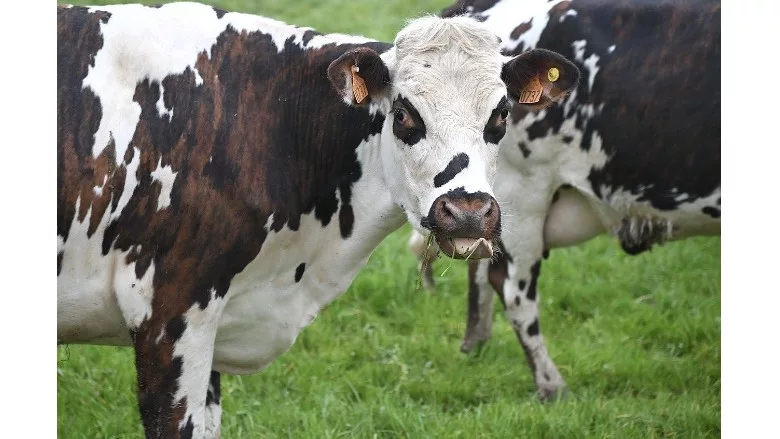
According to a new report from CoBank’s Knowledge Exchange, dairy farmers are expanding beef-on-dairy production, creating more calves destined for the beef supply while reducing dairy replacement heifer inventories.
The economic incentive for dairy farmers to produce more calves destined for the beef supply is rooted in the historic contraction in the US beef cattle herd, which currently stands at a 75-year low. Tight beef supplies and strong demand have driven beef cattle prices to record highs, prompting dairy farmers to dramatically increase their use of beef semen. In 2025, 82.7% of all US beef semen units were purchased by dairy operations.
“On most dairy farms, net margins are currently being driven by the beef check, not the milk check,” said Corey Geiger, lead dairy economist with CoBank. “Five years ago, calf and cull cow sales accounted for 5% of a dairy farm’s bottom line while milk sales represented 95% of their revenue. Today, beef sales account for 12% to 15% of revenue on many farms, with some operations approaching 20% when measured on a per hundredweight basis.”
CoBank’s modeling indicates that dairy replacements entering the milking herd between last year and this year are shrinking by a combined 796,000 head, followed by a rebound of 360,200 head in 2027 and 2028. The projections are based on semen sales data from the National Association of Animal Breeders and assume average annual rates of conception, pregnancy loss and other key reproductive measures.
Dairy producers are increasingly using gender-sorted semen, genomics and beef-on-dairy breeding strategies to optimize profitability. From 2020 to 2025, beef semen sales to dairy producers increased 62%, while sales of gender-sorted dairy semen rose 53.6%. During the same period, conventional dairy semen sales declined 47.4%.
Strong protein demand has positioned dairy producers to generate revenue from both milk and beef production, though the timing of those returns differs. Raising dairy replacement heifers requires a multiyear investment, while selling beef-on-dairy calves provides a more immediate revenue stream.
Abbi Prins, agricultural commodities economist with CoBank, said the effects of increased beef semen use continue to influence herd replacement numbers due to the biological timeline between breeding and first calving.
“Our modeling shows 438,800 fewer replacement heifers entering dairy herds this year. That trend will begin to reverse in 2027 with 285,400 dairy replacements projected to enter the milking herd. Over time, we expect dairy farmers will continue rebalancing their breeding programs to optimize production for both beef and dairy markets. But dairy will continue to play a significant role in the beef supply for the foreseeable future, as rebuilding the beef cattle herd will take several years.”
Source: CoBank
Looking for a reprint of this article?
From high-res PDFs to custom plaques, order your copy today!