Survey finds supply chain disruptions are driving Americans away from beef
Consumers still want protein, shifting spends toward chicken, eggs, canned proteins and other alternatives.
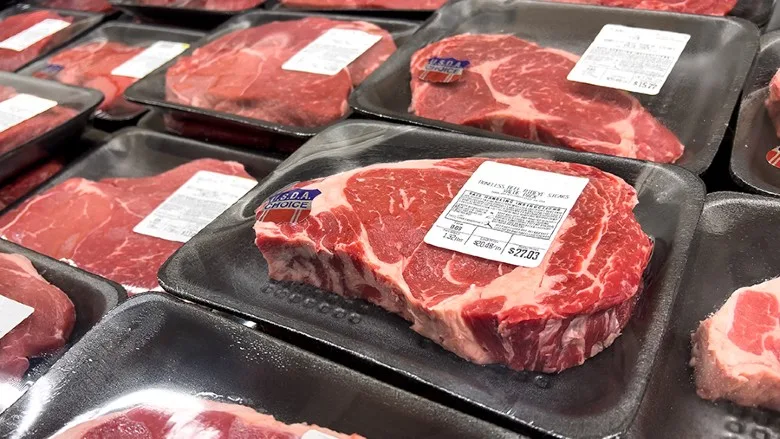
Blue Yonder, an AI company for supply chain, recently released its 2026 Consumer Grocery and Protein Trends survey, finding that 55% of US consumers are buying less beef or have stopped entirely amid rising prices, the New World screwworm outbreak and mounting global trade disruptions. At the same time, one-third of consumers have increased their overall protein purchases in the past six months, as health-conscious shoppers shift spending toward chicken, eggs, canned proteins and other alternatives.
The New World screwworm, a livestock parasite not seen in US cattle for decades, has recently been detected in Texas and has begun spreading beyond its initial containment zone. Seventy-eight percent of respondents say they are concerned it could further affect beef prices or availability.
“The data is striking. More than half of consumers are pulling back from beef, and the screwworm outbreak is adding another layer of uncertainty to an already strained supply chain,” said Wayne Usie, chief strategy officer, Blue Yonder. “At the same time, demand for protein overall is not going away. Consumers are actively rethinking where they get their protein and how much they’re willing to pay for it.”
How beef buying has changed
As consumers cut back on beef, they are shifting to other protein sources. Forty-four percent are buying more chicken, pork and seafood, 28% are buying more canned or shelf-stable proteins, 22% are turning to egg-based proteins, 18% are opting for plant-based proteins, and 10% are increasing purchases of protein powder substitutes.
Beyond the broad pullback, the data reveals the extent of the shift: 40% of beef buyers say they are purchasing beef less frequently, while others have switched to cheaper cuts (17%), largely stopped buying beef (11%), or completely stopped buying beef (4%) because of rising prices.
One-third of consumers increase protein spending
Despite rising costs, 33% of respondents say they have increased their protein purchases in the past six months due to health and dietary preferences. The survey revealed a generational divide in this area, with 54% of Gen Z consumers increasing their purchase of proteins in the last six months compared to 41% of Millennials, 35% of Gen X and 20% of Baby Boomers.
Consumers say they are balancing rising protein costs with their health and wellness goals by paying more to maintain their current diet and fitness routine (27%), shopping at multiple stores based on discounts and promotions (23%) or switching to cheaper protein sources (13%). Younger generations are most willing to pay a premium, with 48% of Gen Z shoppers saying they will pay more to maintain their current diet and fitness routine, followed by 30% of Millennials, 22% of Gen X, and 22% of Baby Boomers.
Whey protein shortage tests brand loyalty
As high-protein grocery items become more widely available, consumers continue to prioritize protein as part of their health and wellness goals. However, ongoing supply constraints, including the whey protein shortage, are making shoppers more price conscious.
When asked what they would do if their preferred whey protein product increased significantly in price, 20% said they would buy a generic or store-brand version, 20% would switch to a different protein source (such as plant-based, soy, or other whole food options), and 6% would stop buying protein supplements altogether. Only 14% said they would pay the higher price.
Shifts this large in consumer purchasing behavior create real complexity for grocery supply chains. Demand plans built on historical patterns can’t keep pace when consumers are simultaneously abandoning one protein category and flooding into others.
“When prices rise on a product like whey protein, most consumers don’t just absorb the cost. They switch brands or walk away entirely,” Usie added. “That’s a signal for brands and grocery retailers that loyalty is weaker than it looks right now, and the companies that can offer the right mix of value, variety and availability are the ones that will hold onto those shoppers.”
US consumers put primary blame for high grocery prices on rising fuel costs
Eighty-five percent of respondents say they are concerned about the impact of grocery prices due to inflation. Consumers place the blame primarily on higher freight and transportation costs due to rising fuel prices (83%). This aligns with the 81% of respondents who believe the Strait of Hormuz closure is responsible for elevated prices, given that roughly one-fifth of global oil moves through the region.
Survey respondents also believe that global tariffs (64%) are responsible for inflated grocery prices, closely followed by the increased cost of raw ingredients (57%), increased profit margins for brands and manufacturers (50%) and increased labor costs in manufacturing and food processing (47%).
Survey methodology
The Blue Yonder 2026 Consumer Grocery and Protein Trends survey was fielded by a third-party provider in June-July 2026. Blue Yonder surveyed over 1,000 consumers across the United States to gather insights into how rising grocery and beef prices are changing their purchasing behavior as they balance their health and wellness goals. Responses were collected from consumers who are involved in their households’ grocery shopping.
Source: Blue Yonder
Looking for a reprint of this article?
From high-res PDFs to custom plaques, order your copy today!