Food inflation complicates meat and poultry demand
CoBank report finds consumers are changing grocery habits, but beef, pork and chicken markets are responding unevenly to affordability pressure.
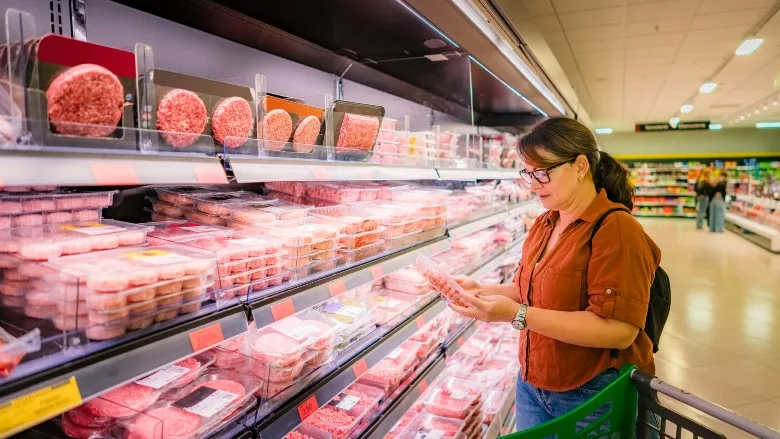
Price increases across most food categories are tightening household budgets and prompting consumers to make changes in how they shop. A growing number of Americans are trading down to lower cost food options, reducing discretionary purchases or buying fewer groceries altogether. According to a new quarterly report from CoBank’s Knowledge Exchange, inflationary pressures and shifting consumer buying patterns are rippling through the US food chain, reshaping strategies for retailers, manufacturers and suppliers.
Animal protein markets are increasingly out of sync with shifting consumer purchasing. Demand remains resilient, but supply responses vary sharply by species. Consumers are signaling a willingness to pay higher prices for beef despite limited supply, while lower-cost pork and chicken alternatives have not fully absorbed the available production. A cost-per-gram comparison may help explain the tension. If pork, chicken or eggs offer more affordable protein, the key question is why consumers are not shifting more aggressively toward those products. The answer likely reflects more than price alone, including taste, quality perceptions, meal preferences, convenience and foodservice menu dynamics.
“While May’s increase in the food price index was tepid, overall food prices are up 2.7% from May 2025 and roughly 26% higher than five years ago,” said Billy Roberts, food and beverage economist with CoBank. “Cumulatively, food price increases are proving to be the definitive, everyday stressor for consumers and they’re responding decisively by choosing lower-cost options like private label brands, shopping at discount retailers or simply buying less.”
The change in consumer behavior hasn’t gone unnoticed by manufacturers and retailers. Large grocery retail chains are unveiling price rollbacks and value positioning to maintain traffic and protect market share. Meanwhile, food and beverage manufacturers are emphasizing affordability through pricing adjustments, promotions and productivity gains aimed at offsetting rising input costs.
According to market research firm Numerator, 4 out of 10 consumers cite rising prices as their top concern for the year ahead. Cost pressures building across everyday goods are straining some demographics more than others, a disparity likely to persist while gas and energy prices remain elevated.
Source: CoBank
Looking for a reprint of this article?
From high-res PDFs to custom plaques, order your copy today!