Provisioner logo
Provisioner logo
search
cart
facebook twitter linkedin youtube
  • Sign In
  • Create Account
  • Sign Out
  • My Account
Provisioner logo
Provisioner logo
  • NEWS
    • Industry News
    • Supplier News
    • Case Studies
    • Recalls
    • Regulations
    • New Consumer Products
  • EXCLUSIVES
    • Newsletters
    • Source Book
    • Sponsored Insights
    • Events
    • Webinars
    • Classifieds
    • White Papers
    • Provisioner Store
    • Market Research
  • MEAT PROCESSING
    • SUSTAINABILITY
    • Processing
    • Packaging
    • Ingredients
    • Formulation
    • Food Safety
    • Special Reports
    • Commentary
  • PROFILES
    • Processor Profiles
    • Processor of the Year
    • Top 100 Processors
  • MEDIA
    • Videos
    • Podcasts
  • DIRECTORY
  • MIHOF
  • INDEPENDENT PROCESSOR
  • EMAG
    • eMagazine
    • ARCHIVE ISSUES
    • Contact
    • Advertise
  • JOIN!
Ingredients

Shelf-life extenders help proteins age gracefully

By Donna Berry
October 25, 2011

Quiet time on an airplane without electronics or reading materials can be dangerous for wandering minds like mine. Lucky you! I was in such a situation just last week, and I started thinking about the similarities between the human body and center-of-plate proteins when it comes to aging, and respective precautions and treatments. There are more similarities than you would imagine (or want to).
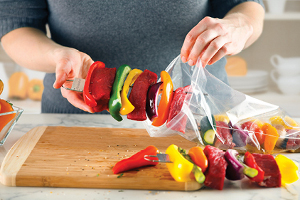
Shelf Life

Both humans and proteins have increased stress levels compared to just 20 years ago. I am sure you know the human ones. For proteins, the list includes long-distance distribution networks, convenience-craving consumers who want fresh flavor and the demand for simple, all-natural ingredient legends. Interestingly, just like for humans, antioxidants can be effective ingredients for defying the aging process.

For example, rosemary extract is a concentrated source of carnosic acid, a potent antioxidant that slows the development of oxidative rancidity in protein. Oxidative rancidity leads to off-flavor development and unattractive discoloration. Rosemary extracts are typically standardized by carnosic acid concentration, giving processors flexibility to formulate the most effective solution. Available in powder and liquid form, the rosemary extract can be dispersed in brine and injected into protein cuts or dispersed into a solution with other flavors and sprayed on topically. There’s always the option to dry-blend the powdered form with seasonings and apply it topically by either tumbling or through a batter. It can also be added directly to the blender, mixer or mincer.

Most humans are not spraying rosemary extract on their skin. But there is another well-established antioxidant that has been shown to delay the onset of oxidative rancidity in protein as well as slow down visible signs of aging in humans, such as the development and intensity of wrinkles (my biggest nemesis). It’s green tea. The ingredient is sold as dried green tea extract and contains as much as 40% of the antioxidants classified as catechins, half of which are the highly effective epigallocatechin gallate (EGCG). Green tea extract also contains an array of other chemicals that work synergistically with EGCG, including gallic acid, carotenoids, tocopherols, ascorbic acid and minerals such as chromium, manganese, selenium and zinc. Some suppliers offer blends of rosemary and green tea extracts for even greater synergy.

Vitamin E gives us vim, vigor and vitality. In protein, it extends shelf life. There are eight classes of Vitamin E, each with different physiological activity and functionality. The side-chain structure determines if it is a tocopherol or tocotrienol. Within each of these groups, the number and position of methyl groups in the chromanol ring determines if it is alpha, beta, gamma or delta. Research suggests that delta and gamma tocopherol forms are slightly stronger antioxidants in food systems than the alpha and beta forms. (For humans, alpha-tocopherols have the highest bioavailability.) Thus, mixed tocopherols high in non-alpha or beta tocopherols are typically used to prevent lipid oxidation in protein.

Whey proteins are another aging body’s best friend, as these high-quality, dairy-derived proteins promote muscle synthesis, which prevents onset of an age-related condition known sarcopenia. It just so happens that some specialty blended whey proteins have been shown to be a cost-effective way to improve flavor, texture, color and shelf life of proteins.

And lactic-acid bacteria, which are also associated with dairy and other fermented foods, produce and excrete a variety of inhibitory substances other than lactic acid, including ethanol, hydrogen peroxide, diacetyl, free fatty acids, benzoate, antibiotics and bacteriocins. All of these components can work synergistically to extend the shelf life of raw and cooked proteins. For example, natural ferments can extend color stability, as well as enhance juiciness and flavor. One version even inhibits growth of the pathogen Listeria monocytogenes.

Oats are another well-known superfood for aging humans; in particular, oat fiber has been shown to positively influence heart health. In the protein business, an all-natural, oat-derived flavor modifier has been shown to extend shelf life while promoting moisture and flavor retention. It intensifies inherit savory notes without adding any visual distractions or off flavors that could negatively impact product taste. It also adds the benefits of fiber while reducing the warmed-over flavor (WOF) often found in pre-cooked meats.

And finally, when it comes to WOF, the naturally occurring organic acids in dried plums, primarily malic acid, combined with high antioxidant power from an array of other inherent phytochemicals, have been linked to the suppression of microbial development in raw and cooked proteins.

Dried plums are also known as prunes and have long been associated with helping grandma and grandpa stay regular.

And on that note, be happy my flight was a short flight. 

KEYWORDS: shelf-life

Share This Story

Looking for a reprint of this article?
From high-res PDFs to custom plaques, order your copy today!


Product Development Editor Donna Berry applies her expertise in dairy innovations in each month's Ingredient Technology feature.

Recommended Content

JOIN TODAY
to unlock your recommendations.

Already have an account? Sign In

  • Double Charburger

    Premiumization drives burger category

    Shoppers seek out premium meat offerings to fulfill...
    Beef
    By: Sammy Bredar
  • JJS Adult Pekin duck

    Poultry Report 2025: Convenience propels poultry at retail

    Despite continued economic pressures, the poultry...
    Meat and Poultry Industry News
    By: Sammy Bredar
You must login or register in order to post a comment.

Report Abusive Comment

Manage My Account
  • eMagazine Subscriptions
  • Manage My Preferences
  • Newsletters
  • Online Registration
  • Subscription Customer Service
  • Connect with The National Provisioner

More Videos

Sponsored Content

Sponsored Content is a special paid section where industry companies provide high quality, objective, non-commercial content around topics of interest to the The National Provisioner audience. All Sponsored Content is supplied by the advertising company and any opinions expressed in this article are those of the author and not necessarily reflect the views of The National Provisioner or its parent company, BNP Media. Interested in participating in our Sponsored Content section? Contact your local rep!

close
  • A smiling man carrying a grocery basket is reaching down to pick up a package of meat in a grocery store.
    Sponsored byPIC

    The Green Light: New Data Shows 12-to-1 Support for Pork from PRRS-Resistant Pigs

  • Close up of a grocery cart full of groceries, a cropped image of a couple pushing the cart and a blurred background of the vegetable aisle.
    Sponsored byPIC

    New Market Research Finds Consumers in Eight Key Pork Markets Are Likely to Purchase Pork from Gene-Edited Pigs

  • Close up of a young pig with a blurred background.
    Sponsored byPIC

    New Research Forecasts Significant Economic and Market Impacts with PRRS-Resistant Pig Adoption

Popular Stories

Spam Dog

Hormel rolls out Spam hot dog for foodservice applications

Colorado Premium logo

Colorado Premium acquires Old Hickory Smokehouse

Niman Ranch Uncured Grass-Fed Beef Bacon

Niman Ranch introduces beef bacon

2026 Top 100 Meat & Poultry Processors Report

Events

June 11, 2026

From Fresh to Frozen in 3 Minutes Flat: Unlocking the Secrets to Temperature Control

Join Tony Vacaro, Foods Industry Manager, and Emile Klein, Foods Market Strategy Manager at Air Products and Chemicals, Inc. , as they tackle key questions surrounding heat removal in food processing. 

January 1, 2030

Webinar Sponsorship Information

For webinar sponsorship information, visit www.bnpevents.com/webinars or email webinars@bnpmedia.com.

View All Submit An Event

Products

Food Crime: An Introduction to Deviance in the Food Industry

Food Crime: An Introduction to Deviance in the Food Industry

See More Products
From Fresh to Frozen in 3 Minutes Flat: Unlocking the Secrets to Temperature Control Webinar Sponsored by Air Products

Related Articles

  • Red Apples

    Clean-label alternatives lead development of shelf-life extenders

    See More
  • Natural, organic impact shelf-life extenders

    See More
  • Shelf life

    Incorporating natural shelf-life extenders not without challenges

    See More

Related Products

See More Products
  • Handbook of Meat, Poultry and Seafood Quality, second edition

  • meat.jpg

    Handbook of Meat and Meat Processing, 2nd Edition

See More Products

Events

View AllSubmit An Event
  • September 22, 2021

    VACUUM SKIN PACKAGING: Increased Shelf Appeal and Shelf Life Leads to Reduced Food Waste

    On Demand This webinar explains the seamless step-by-step journey — from resin via extrusion, crosslinking and converting/slitting to final packaging — to produce high-quality VSP Films and Packaging.
View AllSubmit An Event

Related Directories

  • Shelf-Stable Food Processors Assn.

    Shelf-Stable Food Processors Association (SFPA) is a trade association representing the interests of shelf-stable food processors and their suppliers on issues affecting the industry.
×

Stay ahead of the curve. Unlock a dose of cutting-edge insights.

Receive our premium content directly to your inbox.

SIGN-UP TODAY
  • RESOURCES
    • Advertise
    • Contact Us
    • Directories
    • Store
    • Want More
  • SIGN UP TODAY
    • Create Account
    • eMagazine
    • Newsletter
    • Customer Service
    • Manage Preferences
  • SERVICES
    • Marketing Services
    • Reprints
    • Market Research
    • List Rental
    • Survey/Respondent Access
  • STAY CONNECTED
    • LinkedIn
    • Facebook
    • YouTube
    • X (Twitter)
  • PRIVACY
    • PRIVACY POLICY
    • TERMS & CONDITIONS
    • DO NOT SELL MY PERSONAL INFORMATION
    • PRIVACY REQUEST
    • ACCESSIBILITY

Copyright ©2026. All Rights Reserved BNP Media, Inc. and BNP Media II, LLC.

Design, CMS, Hosting & Web Development :: ePublishing