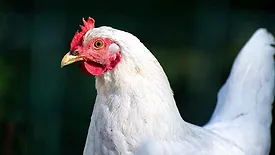
Broiler breeder flock social dynamics may play a much greater role in reproductive success than previously recognized, according to new research funded by the US Poultry & Egg Association and USPOULTRY Foundation.
National Turkey Federation Foundation is accepting proposals for two 2026 research projects aimed at advancing animal health, disease prevention and long-term resilience in the US turkey industry.
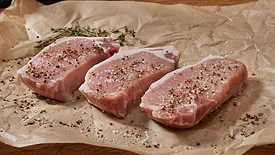
Two university studies funded by the National Pork Board found pork-based meals supported exercise recovery and muscle protein synthesis, reinforcing the role of protein quality in athletic performance.
Research from Texas A&M and University of Illinois suggests protein quality influences how the body responds to exercise rather than total protein intake alone.
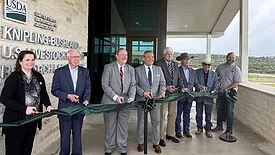
Knipling-Bushland US Livestock Insects Research Laboratory houses two ARS research units: the Livestock Arthropod Pest Research Unit and the Veterinary Pest Genetics Research Unit.
The 52,000‑square‑foot laboratory features advanced cattle facilities, laboratory spaces and a genomics core to drive research on control technologies for the US livestock industry.
Virginia Tech scientists use hyperspectral imaging and artificial intelligence to detect tiny plastic particles directly on the surface of fish with 95% accuracy.
Poultry industry research projects target food safety and pathogen control, animal health, operational efficiency, and data-driven and technology-enabled solutions.
According to three peer-reviewed studies at US universities, lean pork can help support muscle health, performance and recovery when included as part of an overall balanced dietary pattern.
Proposed 24,000-square foot proposed facility would utilize three types of housing systems for hens: enriched housing, free run and free-range systems.
-and-Ran-Yang.webp?height=168&t=1779774391&width=275 "Lead researcher Yiming Feng (left) looks on as postdoctoral researcher and coauthor Ran Yang uses hyperspectral imaging to scan a tilapia fillet for microplastic contamination")