Research links protein quality to exercise recovery and muscle protein synthesis
Two university studies funded by the National Pork Board found pork-based meals supported exercise recovery and muscle protein synthesis, reinforcing the role of protein quality in athletic performance.
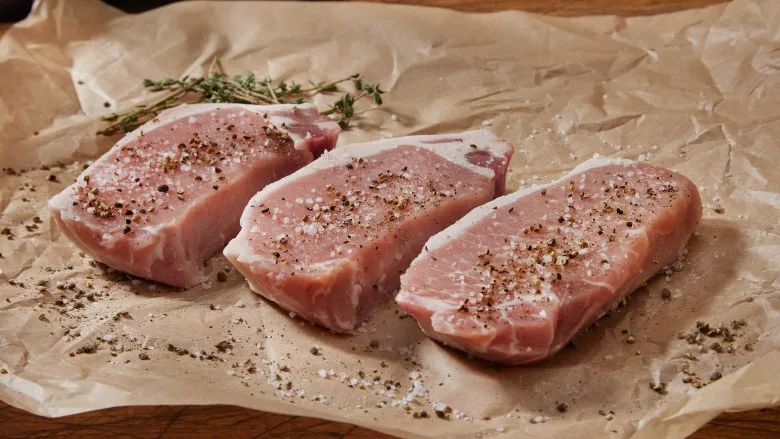
Raw boneless pork loin chops
Two university studies funded by the National Pork Board examined how pork influences exercise recovery and muscle protein synthesis. Researchers at Texas A&M University reported lower inflammatory markers, reduced muscle soreness and improved testosterone-to-cortisol ratios among military cadets consuming pork-based meals. The study at the University of Illinois found lean pork supported greater muscle protein synthesis than a higher-fat pork meal following resistance exercise.
Kristen Hicks-Roof, Ph.D, director of human nutrition for the National Pork Board, said the findings reinforce the importance of looking beyond total protein intake and examining protein quality.
“Protein quality should be an utmost important factor when talking about consumers, retail or policy,” Hicks-Roof said. “Animal proteins like pork just perform better not only in exercise and muscle protein synthesis, but because these animal proteins like pork have all the essential amino acids and are able to be used by the body most efficiently.”
The study conducted at Texas A&M University examined how pork-based Meals Ready-to-Eat (MREs) affected recovery among military cadets following completion of the Army Combat Fitness Test. Researchers compared pork-based meals with plant-based alternatives to evaluate differences in recovery and performance outcomes.
Hicks-Roof said the findings aligned with researchers’ expectations. “The pork protein really helps to reduce inflammation and speed recovery.”
She noted that participants in the study preferred the pork-based meals over the plant-based alternatives. “One point that gets glossed over so often is that people in this study preferred and enjoyed eating the pork meal over the plant meal,” Hicks-Roof said. “It’s not only that it will help performance, but it’s also something that you enjoy eating. Food and nutrition is only nutrition if people eat it.”
While the Texas A&M study focused on recovery, researchers at the University of Illinois examined muscle protein synthesis following resistance exercise. Researchers compared lean pork, higher-fat pork and a carbohydrate control meal to better understand how dietary composition affects muscle growth.
The study found that both pork meals supported greater muscle protein synthesis than the carbohydrate control. Hicks-Roof said one finding surprised both researchers and the National Pork Board: participants consuming lean pork demonstrated greater muscle protein synthesis than those consuming higher-fat pork.
Although the two studies focused on different outcomes, both suggest protein quality influences how the body responds to exercise rather than total protein intake alone.
Hicks-Roof noted that the research reinforces the value of complete proteins in supporting muscle protein synthesis, exercise recovery and overall health. "Oftentimes in media, people are saying ‘I can swap my pork for a lentil burger,’” Hicks-Roof said. “When you think about protein quality, they’re just not the same thing.”
Hicks-Roof emphasized that increased use of GLP-1s may further elevate the importance of nutrient-dense protein sources. Many consumers taking these medications eat less overall. “Protein is going to be the most pivotal nutrient for those consumers,” she said. The National Pork Board is also supporting research targeting GLP-1 users, exploring other naturally occurring nutrients in pork, including creatine concentrations in whole foods.
As interest in protein quality continues to grow, Hicks-Roof believes research will play an important role in helping consumers better understand the differences between protein quantity and quality. “Consumers may not really understand that not all proteins are created equal,” she said. “Research like this helps us understand how complete proteins help support growth and development all the way from infancy to older adulthood.”
For processors and product developers, the findings highlight opportunities for differentiation as consumer interest in health, wellness and high-quality protein continues to grow.
Looking for a reprint of this article?
From high-res PDFs to custom plaques, order your copy today!