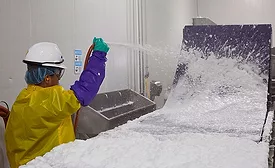
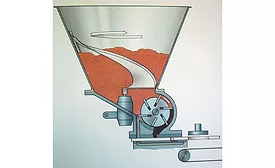
Is there a more natural way to clean wastewater? Poultry and beef processors are certainly trying, by experimenting with new technologies created by Mother Earth to treat wastewater and reduce their water footprints.
Very few companies have put much thought into the processes of removing obsolete items from the inventory and disposing of them. Yet this task is fundamental to managing spare parts obsolescence and, by extension, is fundamental to spare parts inventory management.
With its new St. Pauls, N.C., processing plant, Sanderson Farms continues to build upon a successful playbook for expansion that has produced nearly a half-dozen new facilities in just more than a decade’s time.
Since 2005, Laurel, Miss.-based chicken processor Sanderson Farms has been on an unmatched record of expansion in the meat industry, building and opening five processing plants (with a sixth brand new plant planned to open in 2019).
Water and energy are key expenses for meat and poultry plant operators, but focusing on conservation can enable facilities to cut costs while maintaining performance levels.
By not taking adequate measures to cut water and energy use, which includes recirculating their resources and leveraging the optimal equipment and operating strategies, many plants are unnecessarily bolstering expenses while becoming more vulnerable to shortfalls in available supplies.
According to the Department of Labor (DOL), workers in the meat and poultry slaughtering and processing industries are experiencing fewer injuries and illnesses.
 RSS
RSS