National Cattlemen’s Beef Association urges advancing passage of a new Farm Bill, more resources for Longhorned tick management, and delisting the gray wolf and passing the Pet and Livestock Protection Act.
FSIS relocates approximately two-thirds of its National Capital Region workforce to locations including the newly created National Food Safety Center in Iowa and Science Center in Georgia.
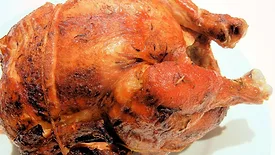
Newly introduced Hot Rotisserie Chicken Act would allow Supplemental Nutrition Assistance Program (SNAP) participants to purchase hot rotisserie chicken with their benefits.
National Chicken Council cites three decades of federal research and industry data demonstrating that higher line speeds do not compromise food safety.
FSIS proposed rule would raise the maximum line speed for young chicken processors operating under the New Poultry Inspection System from 140 to 175 birds per minute.
FSIS may initiate escalated enforcement actions when an establishment’s food safety system appears inadequate due to multiple or recurring issues of noncompliance.
While a single NR rarely triggers significant enforcement action, a series of unchallenged NRs can quietly build a regulatory record that supports more serious enforcement.
A quarter of consumers say they are unsure about the industry’s animal welfare practices, suggesting an opportunity for transparency and clearer messaging to educate the public.
NARA is urging USTR to take China-specific action to address non-market overcapacity while preserving access to lawful, non-Chinese supply critical to US manufacturers.
To ensure continued alignment with state-level plans and industry practices, APHIS will revise the Playbook as preparedness activities advance and evolve.