Special Report: Animal Welfare & Humane Handling
Consumer trust in animal welfare is solid – but there’s room for gains
Ensuring animal welfare and humane handling practices improves product quality and builds trust with consumers.
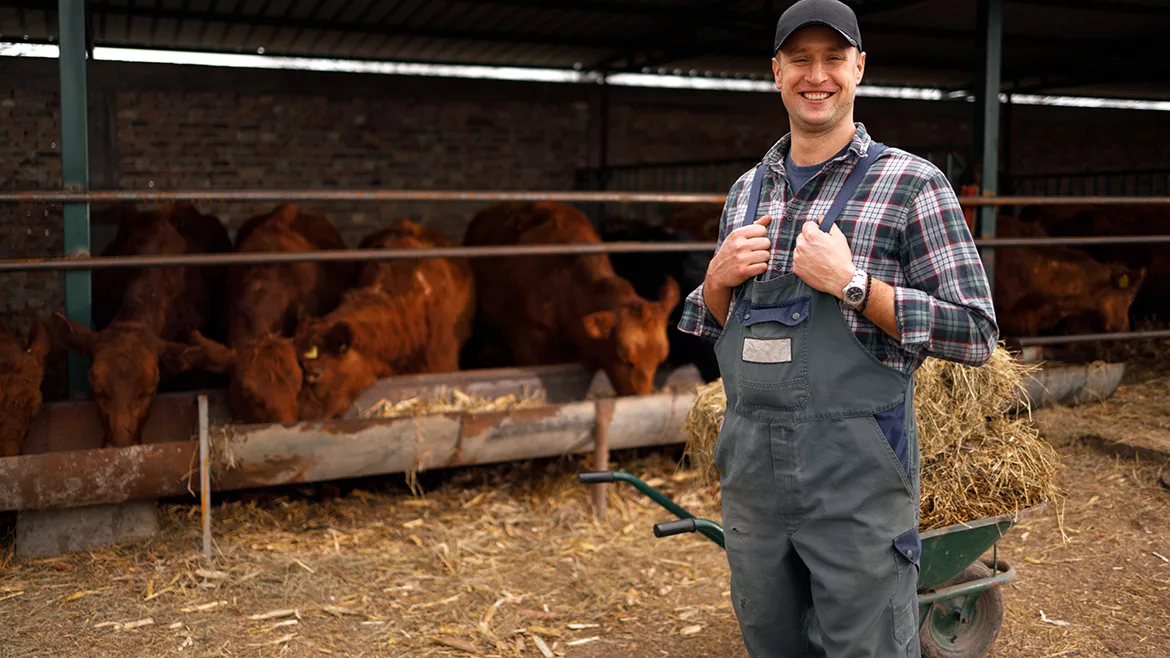
Consumer trust in animal welfare is solid, according to the 2026 Power of Meat report unveiled during the AMC 2026 convention.
But there’s also room for improvement.
While the Power of Meat 2026 report finds 50% of Americans saying they agree that animals are raised in a healthy manner in the US, 26% say they are not. The remaining 24% say they don’t know, suggesting an opportunity for transparency and clearer messaging on animal welfare to educate the public on the meat and poultry industry’s animal welfare gains.
Country Natural Beef, a 100-member rancher-owned cooperative spread across nine Western states, has a longstanding commitment to stringent animal welfare. CEO C. Tylor Braden says consumers are increasingly thoughtful about their food purchases.
Beginning in October 2026, all Country Natural Beef and Oregon Country Beef products will be RaiseWell Certified for animal welfare. The shift is the latest step in the co-op's longstanding commitment to stringent animal welfare standards.
"Over the next six to 12 months we are transitioning t the RaiseWell program," Braden said. "Over the years, Country Natural Beef has always been committed to being better for people, land and animals. We've always had the vision to be progressive on those things."
RaiseWell Certified is a comprehensive third-party animal welfare verification program by Where Food Comes From Inc. The RaiseWell Certified standard is designed to meet or exceed current animal welfare standards and also streamline the audit process.
Animal welfare and pork
Animal welfare and pork quality are closely connected, said Stephanie Wetter, director of animal welfare at the National Pork Board.
"When pigs are raised in environments that support good health and low stress handling, it leads to healthier animals and a higher quality product for consumers," Wetter said. "The Pork Quality Assurance Plus program trains caretakers on practices that protect both animal wellbeing and food safety. This includes proper injection techniques and antimicrobial stewardship to help prevent residues and minimize tissue damage, both of which can affect meat quality."
Wetter said handling and transport practices are also critical in ensuring animal welfare.
"Calm, deliberate animal handling reduces stress and physical injury, which helps prevent quality defects such as bruising and pale, soft and exudative meat," she said. "Improvements in harvest plant handling systems that allow pigs to move more calmly through the process have also supported both animal welfare and pork quality. Together, these practices show that strong animal care standards benefit both the animals and the quality of the pork consumers enjoy."
Wetter said maintaining consumer and customer trust is critically important to the US pork industry.
"In my role, I work closely with retail and foodservice partners around the world who have their own animal welfare policies and sourcing commitments," she said. "These companies want transparency about how pigs are raised, and we provide that through strong farmer training programs and third-party verification."
Programs such as Pork Quality Assurance Plus and Transport Quality Assurance train caretakers on responsible animal care, proper handling and food safety practices. In addition, the Common Swine Industry Audit provides independent on-farm verification of animal care practices.
"Beyond audits and certifications, one of the most effective ways to build trust is by opening our barns to our customers," Wetter said. "The pork industry regularly hosts farm visits for retailers, restaurant companies and other supply chain partners so they can see the animal care practices firsthand and speak directly with farmers. When decision makers have the opportunity to experience how pigs are raised and see the commitment of the people caring for them, it helps strengthen confidence in pork production and builds lasting relationships across the food system."
Prop 12
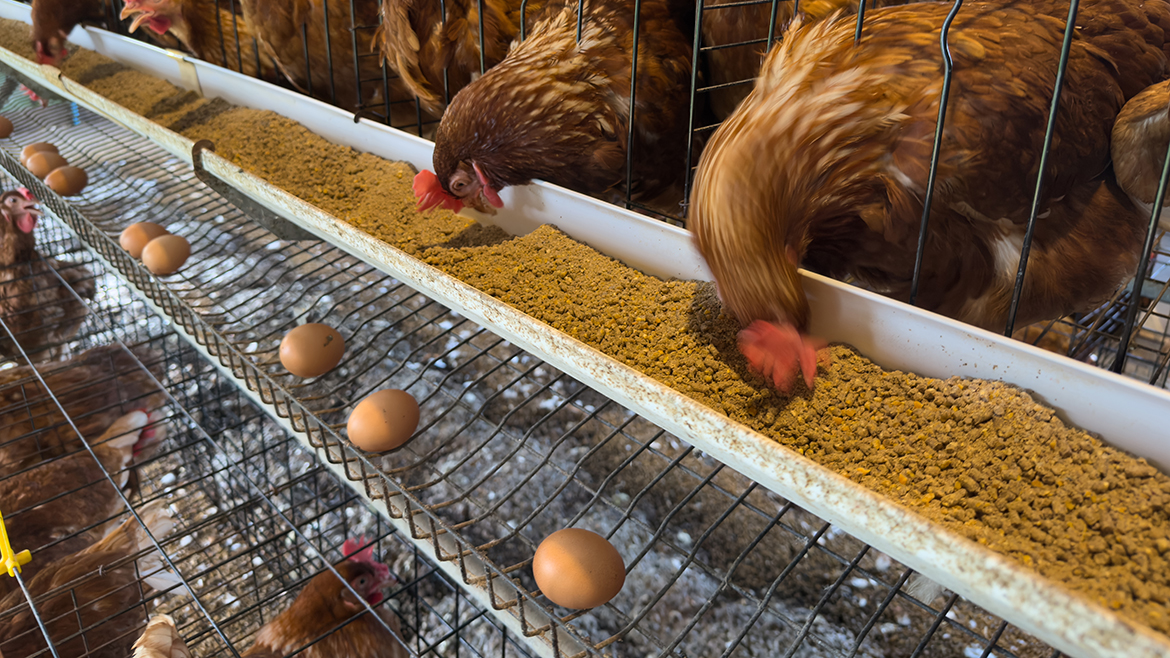
California's Proposition 12, requiring more space for breeding pigs, laying hens and veal calves, remains in full effect after a March 2026 federal court ruling rejecting a lawsuit from the Department of Justice, marking numerous failed challenges to the regulation. Legal and political battles over Prop 12 continue as Congress considers addressing the issue in the 2025/2026 Farm Bill.
"Through discussions with pork producers participating in the National Pork Board’s Animal Welfare Advisory Group, we are hearing that farms transitioning to Prop 12 compliant systems can face new welfare challenges," Wetter said. "Producers and veterinarians have reported increased risks of lameness and aggression among sows in some group housing environments, which can lead to more wounds, treatments and sometimes mortality."
Because of this feedback, Wetter said improving sow welfare in Prop 12-compliant farms has become one of the top animal welfare priorities identified by producers across the industry.
"To address these challenges, the pork industry is focusing on research and collaboration with producers, veterinarians and animal welfare scientists to identify practical, on-farm solutions," she said. "The Pork Board is supporting research that looks at housing design, management practices, and behavioral factors that influence sow welfare in group housing systems. The goal is to ensure farms have science-based tools to reduce injuries, improve mobility, and support the long-term health of sows while meeting evolving market requirements."
Looking for a reprint of this article?
From high-res PDFs to custom plaques, order your copy today!
.webp?height=96&t=1647275041&width=96)