Food Safety
Without traceability, U.S. beef could be left out in the cold
The lack of a national traceability system could lead to competitive and financial hardships for domestic meat producers.
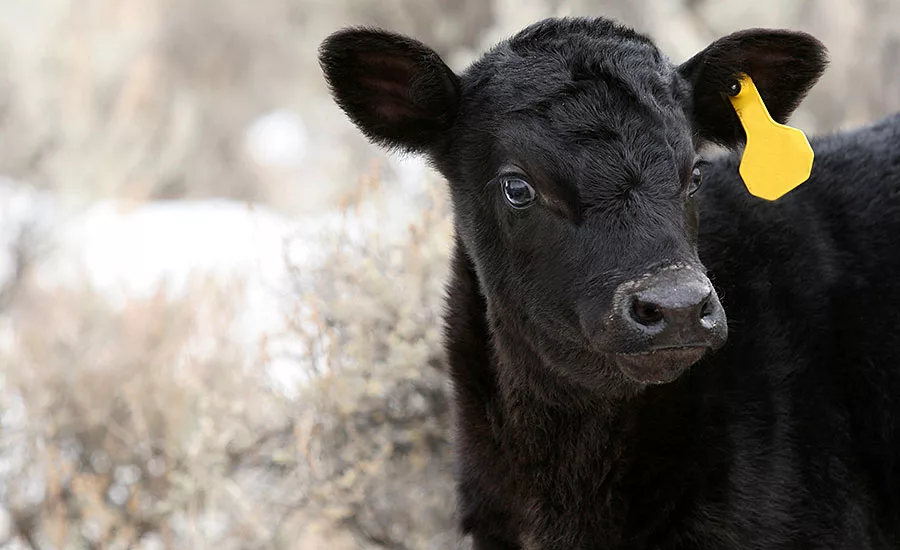
The U.S. is an outlier in the move by major meat-producing countries to create systems that track meat back to its source.
Unlike many other nations, the U.S. has no mandatory national traceability guidelines for domestic producers. Because many operators still have strong concerns about the impact traceability mandates have on privacy, competitiveness and cost, the adoption of measures appear distant.
“Traceability is working well within vertically integrated or tightly controlled supply chains because participants don’t have to worry about with whom they are sharing information,” says Brian Adam, a professor in the Department of Agricultural Economics at Oklahoma State University, in Stillwater. “There is unease with fragmented supply chains in which the parties don’t have a relationship with the next person in the chain.”
Many producers also worry about possible liabilities resulting from traceability programs, Adam says.
Under current setups, for instance, regulators can often only trace meat that is tainted with E. coli back to the processor, he says, while system-wide initiatives may potentially pinpoint the originating feedlot or farm.
“A big processor typically can handle the fallout from outbreaks, but a small operator that is the source of a disease can be immediately shut down and put out of business,” Adam says. “Many companies are declining to participate in systems because they would not want to run that risk.”
The resistance of parties to share what they consider proprietary information with competitors or the government also is slowing traceability efforts, he says. Such data can include the size of operations and the number of animals that producers are selling each month.
“There are stories about people hiding animals from the government because they don’t want to pay taxes on the cattle,” Adam says. “So they sure as heck aren’t going to put their information into a system that reveals even more about the animals.”
Yet, traceability measures can be highly effective in enhancing food safety by helping to quickly pinpoint the source of disease outbreaks, he notes, which could potentially halt or at least mitigate such incidents.
Among the biggest adoption hurdles is getting operators to understand the value-added benefits from traceability and having them adjust their procedures to accommodate the systems, he says.
Adam is part of a multidisciplinary team from universities, private firms and a foundation that has developed and is testing a proprietary, centralized-data, whole-chain traceability system that addresses many of the obstacles, he says.
Trailing the field
Such initiatives are crucial because traceability is becoming increasingly important, meaning U.S. meat producers will face an “uphill battle” in generating business in the global markets that require such programs, says Derrell Peel, professor of agribusiness and extension livestock marketing specialist in the Department of Agricultural Economics at Oklahoma State University.
“We postpone it at our own peril,” he says. The value of U.S. beef and veal exports fell from $3.14 billion in 2003 to $550 million in 2004, and U.S. beef industry losses totaled an estimated $3.2 billion to $4.7 billion in 2004, after the discovery of a single U.S. cow with bovine spongiform encephalopathy (BSE), according to the Kansas State University Department of Agricultural Economics’ report on the implications of cattle identification and traceability on beef exports.
“Cattle traceability, or lack thereof, could have a large effect on trade because it could impact market access to particular export destinations,” the report shows. “An effective cattle traceability program would likely reopen closed markets more quickly. Cattle traceability is also likely to help the United States retain market access to a particular import country in the event of either a food safety or animal disease occurrence.”
Most major exporters have developed mandatory national cattle identification protocols that trace beef to the ranch of origin, track animal movements and verify the age of cattle, according to the report.
“Consumers in European and Asian markets are increasingly requiring animal traceability, access to animal movement records, and producer identification as a means for developing trust in food-safety assurances,” the report adds. “Consequently, these countries will likely continue to add traceability requirements on their international suppliers. Access to these markets will increasingly depend upon demonstrated individual animal traceability.”
Creating traceability in the beef sector, however, is extremely complicated because of the numerous feedlots and cattle production sites across the U.S., Peel says.
“The average herd size is less than 50 head, and they are coming into the marketplace from very dispersed production sources,” he says. “The cattle repeatedly get commingled, sorted and hauled long distances until they arrive at a fairly small number of feedlots. The ability to track anything through that system is very difficult.”
Still, a widespread traceability system is crucial if the industry is going to swiftly and effectively react to such outbreaks as hoof and mouth disease, which is very contagious and fast-moving, Peel says.
“The question of whether such an incident will occur is not if, but when,” he says. “The beef sector might initially save money by not investing in programs. But if there is a problem, the lack of traceability is going to make the cost of dealing with the issue much higher.”
Because the dollar cost to the beef industry from an outbreak can be in the billions of dollars, Peel says, “the value to the sector far exceeds the price of a system if we do it in a comprehensive rather than a piecemeal fashion.”
Traceability initiatives also will satisfy the interests of the many consumers who are seeking to verify the inherent quality of products by determining, for instance, where cattle were raised and the production protocol, Peel says.
Barriers abound
Even if operators agree on the need for a scheme, significant barriers still must be overcome before a system takes shape, he Peel says.
They include creating a database and agreeing on which parties will manage and have access to the data, he says. Peel agrees that many operators are hesitant to participate because of concerns about government scrutiny, but he notes such worries are baseless.
“Cattle producers still operate under the mistaken illusion that they are anonymous,” he says. “But they can always be found. That is the biggest mental hurdle that the industry must get over before implementing a system. It requires an educational process and will remain a tough sell in many places.”
Some companies also erroneously believe the large packers will garner the greatest payback from widespread traceability, Peel says.
“Because there are multiple meat production sectors, there tends to be a lot of suspicion and not much trust across the groups, particularly among the live-animal and packing segments,” he says. “The perception is that the benefits will just be captured by someone higher up the supply chain and the smaller operators will bear the cost. That is not true, but it is a very strong belief.”
As a result, while major beef-producing countries with traceability systems, such as Argentina, Australia, Brazil, Canada and Uruguay, likely find it easier to enter foreign markets, many U.S. producers still are willing “to do things that are not in their best interest in order to be independent,” Peel says.
Learning the hard way
Even with the array of attractive benefits for producers to leverage traceability initiatives, Peel says it will probably take a serious disease outbreak and large financial loses before the beef industry moves forward with a program.
“Market value and global access will not be strong enough to get the sector to implement a traceability system,” he says. “It will take a horrible, very expensive disease situation. After that the parties might be willing to go back and invest in a system that would have made the losses much less painful.”
Adam, meanwhile, notes widespread traceability in the meat sector is inevitable.
“There is so much potential benefit from the food safety and animal disease elements that a traceability system has to happen,” he says. “The question now is how best to make it occur.” NP
Looking for a reprint of this article?
From high-res PDFs to custom plaques, order your copy today!