Provisioner logo
Provisioner logo
search
cart
facebook twitter linkedin youtube
  • Sign In
  • Create Account
  • Sign Out
  • My Account
Provisioner logo
Provisioner logo
  • NEWS
    • Industry News
    • Supplier News
    • Case Studies
    • Recalls
    • Regulations
    • New Consumer Products
  • EXCLUSIVES
    • Newsletters
    • Source Book
    • Sponsored Insights
    • Events
    • Webinars
    • Classifieds
    • White Papers
    • Provisioner Store
    • Market Research
  • MEAT PROCESSING
    • SUSTAINABILITY
    • Processing
    • Packaging
    • Ingredients
    • Formulation
    • Food Safety
    • Special Reports
    • Commentary
  • PROFILES
    • Processor Profiles
    • Processor of the Year
    • Top 100 Processors
  • MEDIA
    • Videos
    • Podcasts
  • DIRECTORY
  • MIHOF
  • INDEPENDENT PROCESSOR
  • EMAG
    • eMagazine
    • ARCHIVE ISSUES
    • Contact
    • Advertise
  • JOIN!
Meat and Poultry ProcessingRegulationsSpecial Reports

Sharing clear information and real stories helps making humane choices easier for consumers

Kelsey Bruno-Bayliff of American Humane Certified Farm Animals says many shoppers now have an expectation for humane labels.
By Fred Wilkinson, Chief Editor, The National Provisioner
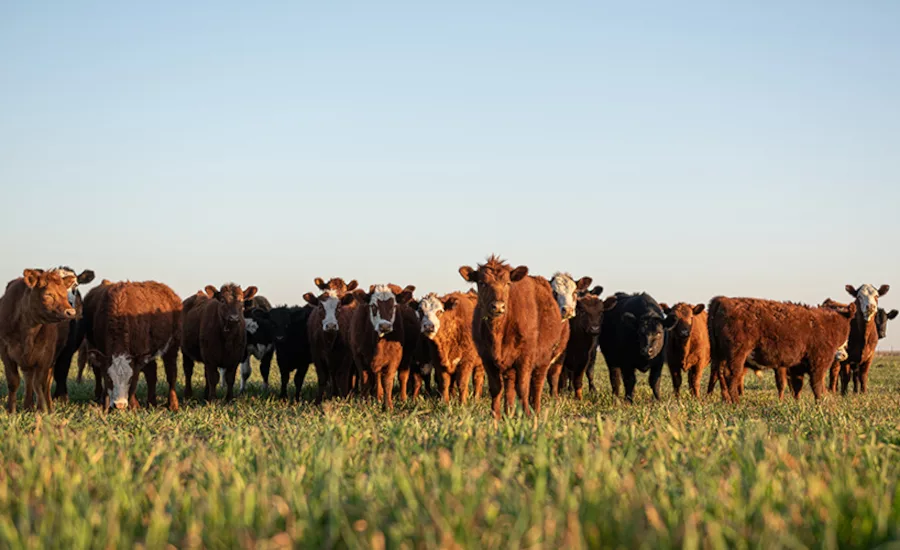
cattle
Getty Images/iStockphoto
April 28, 2025

In this interview, Kelsey Bruno-Bayliff, farm standards & science coordinator at American Humane Certified Farm Animals, explains why it's essential to help consumers navigate humane labels. Humane handling is a value-driven commitment that consumers want to understand and support. "It’s up to us to meet them there," Bruno-Bayliff says.

The American Humane Certified Farm Animals program provides third-party, independent audits to help verify that care and handling of farm animals meets science-based welfare standards. More than 1 billion farm animals are protected under American Humane Certified Farm Animals program welfare standards.

What approach can help engage and inform consumers about the benefits of humane handling?

Kelsey Bruno-Bayliff: Most consumers care about how farm animals are treated, but many simply don’t know what humane handling really means or why it matters. That’s where the industry, animal welfare advocates, and certification bodies have a powerful opportunity: to engage the public through clear information, real stories, and accessible tools that make humane choices easier.

The first step is making the benefits of humane handling tangible. Humane practices don’t just result in better lives for animals, they also lead to improved meat quality, safer food, and more sustainable farming systems. These are outcomes consumers already care about; the key is to show them how humane handling contributes to those goals.

Certification programs also play a critical role, but they’re not all created equal. That’s why it's essential to help consumers navigate humane labels. Clear explanations of what a certification guarantees, and what it doesn’t, can empower better choices. Infographics, QR codes on packaging, and web tools can demystify the labels and make humane decisions more accessible in the aisle.

Perhaps most compelling of all is the power of storytelling with real farmers, animals and practices. When we share these stories through images, videos, and first-person narratives we make humane handling personal. We give consumers a window into the lives of animals and the people who care for them, allowing them to connect with the food on their plate in a more meaningful way.

Humane handling isn’t just a checkbox, it’s a value-driven commitment that consumers want to understand and support. It’s up to us to meet them there.

What emerging regulatory guidance is impacting livestock industry humane handling efforts?

Kelsey Bruno-Bayliff: Several emerging factors are actively shaping humane handling efforts in the livestock industry. One of the most influential is state-level animal welfare legislation, such as California’s Proposition 12 and Massachusetts’ Question 3. These laws set specific requirements for how animals are raised, particularly regarding space and housing, which, in turn, influence broader management and training practices. For instance, Prop 12 mandates a transition from individual to group housing for breeding pigs. While this change supports improved welfare, it also requires producers to adopt new management systems, train staff accordingly, and adapt over time to ensure successful implementation. Though these laws are state-specific, their impact extends nationally, as producers who sell into these markets must comply. To support this transition, it’s critical that such legislation is paired with accessible resources, farmer education, and ongoing technical assistance.

Additionally, labeling regulations are beginning to play a larger role in shaping humane livestock care. Terms like “free-range” and “pasture-raised” have historically lacked consistent definitions and oversight, leading to varied on-farm conditions. However, as regulatory agencies begin to strengthen enforcement and clarify definitions, producers will be expected to align practices more closely with consumer expectations and verified standards.

What consumer trends are powering growth in demand for meat products sourced from humanely raised animals?

Kelsey Bruno-Bayliff: One of the most significant consumer trends reshaping the meat industry is a heightened awareness and concern for animal welfare. Today’s consumers are more informed, engaged, and value-driven than ever before. Social media, documentaries, and advocacy efforts have brought animal welfare to the forefront, prompting greater scrutiny of farming practices and growing demand for ethical sourcing.

Where humane labels were once considered a bonus, they are now an expectation for many shoppers. Consumers increasingly seek transparency, wanting to know where their food comes from, how animals were raised, and how to make more responsible choices. In this landscape, credible humane certifications play a vital role by helping consumers easily identify products that reflect their values and meet their expectations for humane care and handling.

What steps can producers looking to incorporate humane handling practices take to prepare for third-party audit verification?

Kelsey Bruno-Bayliff: There are many steps producers can incorporate to prepare for third-party audit verification, such as:

  1. Understand the standards – review and familiarize yourself with the certification program’s standards, including record-keeping, environmental, and outcome-based expectations. If you have questions, reach out to the certifying body for clarification before the audit.
  2. Do a self-assessment – perform an internal audit using the certifying body’s audit tool or checklist to identify gaps in compliance or areas of improvement.
  3. Review and update your documents – audits typically rely heavily on documentation and preparing an organized and complete collection of records is imperative.
  4. Perform and document staff training – humane livestock production starts with an informed staff that receive regular animal welfare training, such as proper humane handling and husbandry practices.
  5. Create a culture of continuous improvement – encourage your facility to engage in open communication about animal welfare, regularly monitor and record animal welfare of your animals, and adjust husbandry practices as needed based on feedback and regular monitoring.
KEYWORDS: animal welfare humane handling livestock

Share This Story

Looking for a reprint of this article?
From high-res PDFs to custom plaques, order your copy today!

Fred wilkinson (002)

Chief Editor, National Provisioner.  

Fred Wilkinson has been writing about food industry news and trends for business audiences for more than 25 years.

Recommended Content

JOIN TODAY
to unlock your recommendations.

Already have an account? Sign In

  • Double Charburger

    Premiumization drives burger category

    Shoppers seek out premium meat offerings to fulfill...
    Special Reports
    By: Sammy Bredar
  • JJS Adult Pekin duck

    Poultry Report 2025: Convenience propels poultry at retail

    Despite continued economic pressures, the poultry...
    Chicken
    By: Sammy Bredar
You must login or register in order to post a comment.

Report Abusive Comment

Manage My Account
  • eMagazine Subscriptions
  • Manage My Preferences
  • Newsletters
  • Online Registration
  • Subscription Customer Service
  • Connect with The National Provisioner

More Videos

Sponsored Content

Sponsored Content is a special paid section where industry companies provide high quality, objective, non-commercial content around topics of interest to the The National Provisioner audience. All Sponsored Content is supplied by the advertising company and any opinions expressed in this article are those of the author and not necessarily reflect the views of The National Provisioner or its parent company, BNP Media. Interested in participating in our Sponsored Content section? Contact your local rep!

close
  • A smiling man carrying a grocery basket is reaching down to pick up a package of meat in a grocery store.
    Sponsored byPIC

    The Green Light: New Data Shows 12-to-1 Support for Pork from PRRS-Resistant Pigs

  • Close up of a grocery cart full of groceries, a cropped image of a couple pushing the cart and a blurred background of the vegetable aisle.
    Sponsored byPIC

    New Market Research Finds Consumers in Eight Key Pork Markets Are Likely to Purchase Pork from Gene-Edited Pigs

  • Close up of a young pig with a blurred background.
    Sponsored byPIC

    New Research Forecasts Significant Economic and Market Impacts with PRRS-Resistant Pig Adoption

Popular Stories

Spam Dog

Hormel rolls out Spam hot dog for foodservice applications

Niman Ranch Uncured Grass-Fed Beef Bacon

Niman Ranch introduces beef bacon

Various new Primal snack sticks on a table amongst pencils, apples, a pair of glasses, lunch bags and a water bottle.

Protein demand drives snacking occasions

2026 Top 100 Meat & Poultry Processors Report

Events

June 11, 2026

From Fresh to Frozen in 3 Minutes Flat: Unlocking the Secrets to Temperature Control

Join Tony Vacaro, Foods Industry Manager, and Emile Klein, Foods Market Strategy Manager at Air Products and Chemicals, Inc. , as they tackle key questions surrounding heat removal in food processing. 

January 1, 2030

Webinar Sponsorship Information

For webinar sponsorship information, visit www.bnpevents.com/webinars or email webinars@bnpmedia.com.

View All Submit An Event

Products

Food Crime: An Introduction to Deviance in the Food Industry

Food Crime: An Introduction to Deviance in the Food Industry

See More Products
From Fresh to Frozen in 3 Minutes Flat: Unlocking the Secrets to Temperature Control Webinar Sponsored by Air Products

Related Articles

  • Animal welfare: There are three humane choices for egg-laying hens

    See More
  • Meat and Poultry Products

    Inflationary hangover persisting for consumers

    See More
  • Cargill rolls out ground beef information for consumers

    See More

Related Products

See More Products
  • advanced tech.jpg

    Advanced Technologies for Meat Processing

  • food safety.jpg

    Food Safety in the Seafood Industry: A Practical Guide for ISO 22000 and FSSC 22000 Implementation

  • meat.jpg

    Non-Thermal Processing Technologies for the Meat, Fish, and Poultry Industries

See More Products

Events

View AllSubmit An Event
  • January 1, 2030

    Webinar Sponsorship Information

    For webinar sponsorship information, visit www.bnpevents.com/webinars or email webinars@bnpmedia.com.
  • April 4, 2013

    A Systematic Approach to Humane Handling

    Learn to ensure your animal handling system qualifies in NAMA’s next webinar!
View AllSubmit An Event

Related Directories

  • Grote Company

    Grote Company manufactures reliable, top-quality food slicing and assembly equipment, making it easier for our customers to make safe, high-quality food. Our trusted equipment and lines are expertly designed and built strong to make pizza, sandwich and food slicing processes faster, safer, more consistent and less expensive. With a personal touch and enduring commitment to our customers and employees, we collaborate as one team to solve tough problems.
×

Stay ahead of the curve. Unlock a dose of cutting-edge insights.

Receive our premium content directly to your inbox.

SIGN-UP TODAY
  • RESOURCES
    • Advertise
    • Contact Us
    • Directories
    • Store
    • Want More
  • SIGN UP TODAY
    • Create Account
    • eMagazine
    • Newsletter
    • Customer Service
    • Manage Preferences
  • SERVICES
    • Marketing Services
    • Reprints
    • Market Research
    • List Rental
    • Survey/Respondent Access
  • STAY CONNECTED
    • LinkedIn
    • Facebook
    • YouTube
    • X (Twitter)
  • PRIVACY
    • PRIVACY POLICY
    • TERMS & CONDITIONS
    • DO NOT SELL MY PERSONAL INFORMATION
    • PRIVACY REQUEST
    • ACCESSIBILITY

Copyright ©2026. All Rights Reserved BNP Media, Inc. and BNP Media II, LLC.

Design, CMS, Hosting & Web Development :: ePublishing