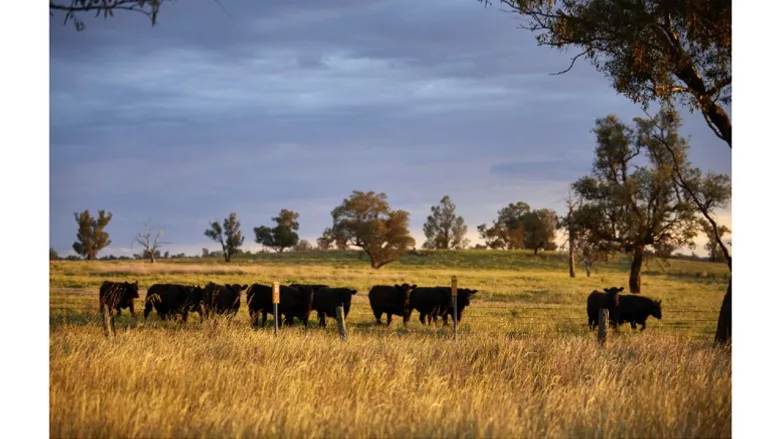
Meat production Down Under: A look at animal agriculture in Australia
Grassfed beef sales in the US were up 35% last year, led by the big volume driver in the North American market: ground beef.
Editor's note: Paul da Silva, regional manager for Meat & Livestock Australia in North America, shares insights about livestock production in Australia and what’s shaping it. Meat & Livestock Australia is an independent company that regulates standards for meat and livestock management in Australian and international markets. To learn more about the growing appetite for lamb in the North American market, see more insights from Aussie Beef & Lamb in our 2025 State of the Industry Report: Lamb.
What are some of the marketplace factors you’re looking at in the red meat space?
Paul da Silva — The overall demand for protein is just so strong. Here in America, 71% of consumers are trying to eat more protein, and it keeps going up every year. High-protein diets are the most popular eating pattern at about 20%. It’s a big part of why retail meat sales set a record this year at $104 Billion, despite prices being elevated — consumers just aren’t willing to give up the meats that they love. Demographically, younger consumers are seeking transparency into animal raising and sourcing standards, in a way that older generations didn’t.
How are Aussie producers responding to market demands around the globe?
Paul da Silva — Aussie producers are applying everything we’ve learned in our decades as a top red meat supplier to feed that global demand with high-quality, safe and sustainable lamb, beef and goat at scale. Today, Australian beef production is about 70% grassfed, and 30% grain, right about our historical average. Overall grassfed beef sales in the US were up 35% last year, led by the big volume driver in the North American market, ground beef. While the wagyu category has grown dramatically in the last decade and is an extremely valuable and sought-after product, it’s a small slice compared to the volumes we produce for global beef trade. On the lamb front, we’re seeing a lot of innovation in high eating quality or highly marbled lamb, creating an ultra-premium category that answers the demand for luxury in similar way to wagyu, but in its own lane.
What regulatory factors are impacting Aussie producers?
Paul da Silva — Most of the regulatory factors impacting Aussie producers are not new, and are built into our production systems. We’ve been a leading contributor to our country’s climate goals for well over a decade. Over the past 30 years, producers have reduced water use by over 65%, and greenhouse gas emissions by 78% since 2005, all while producing more red meat than ever before.
Australia has had mandatory traceability programs in place – our National Livestock Identification System (NLIS) -- since 2002, putting us in a great spot to meet the export standards of virtually every country. Similarly, our world-leading animal welfare standards are long-established, and we see that and sustainability bona fides being increasingly relevant as millennials and younger generations become the drivers of consumption.
While it’s not as large a factor, halal availability is important around the world, including here in North America. Because we’ve been serving MENA and other Muslim-majority markets for so long, halal is part of mainstream production practice in Australia. Nearly all Aussie lamb shipped to the US is halal, and we hear anecdotally how helpful that is for buyers.
What should buyers expect in the near future from Aussie meats?
Paul da Silva — Australia is well positioned to support the red meat market here in North America. We have safe, stable, high-eating quality supply at volume, and are already invested in the attributes that future consumers are likely to seek. From sustainability to animal welfare, halal to grassfed and pasture-raised, and premium options in wagyu and lamb, Aussie producers have a product to tick every box.
Looking for a reprint of this article?
From high-res PDFs to custom plaques, order your copy today!