Sensory experiences and intentionality dominate 2026 culinary trends
A new wave of culinary interest, confidence and experimentation is reshaping how people cook, eat and experience food.
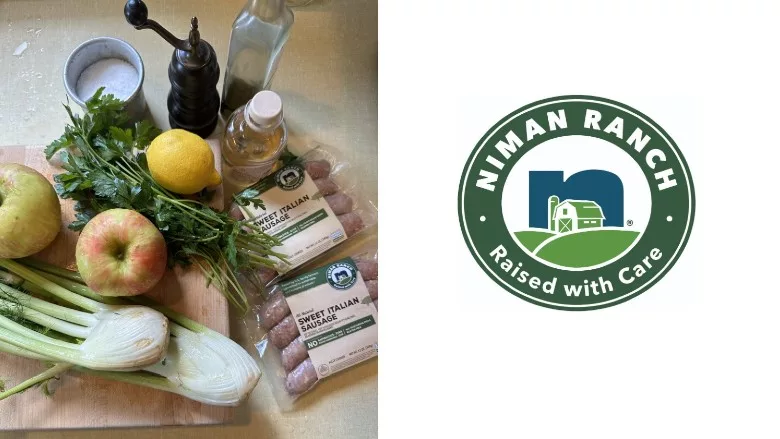
As 2025 comes to a close, meat producer Niman Ranch took a moment to reflect on some standout moments in 2025, and forward to the flavors and trends that await in 2026.
Kitchens continue to serve as creative hubs, comfort zones and communal gathering places, and a new wave of culinary interest, confidence and experimentation is reshaping how people cook, eat and experience food.
Looking back at some of the year’s most influential movements, and ahead to what’s next, Niman Ranch Executive Chef Andrew Hunter sees a clear theme: cooking is becoming more intentional, sensory-driven and multifunctional than ever before.
“We took great joy in reflecting and asking ourselves: what trends are genuinely changing the way people cook – not just what they cook?” Hunter said. “We narrowed our list to ideas that are both accessible and inspiring. Whether it’s turning a basic weekday dinner into a unique sensory experience or elevating dining with a surprising cocktail, the culinary world remains incredibly dynamic. You can approach it with as much or as little depth as you like and still find delight in the process.”
Cooking as aromatherapy
This year reaffirmed something chefs have always known: aroma is everything. The key to developing compelling flavors is through aroma – after all, so much of taste comes from the sense of smell. From the sizzle of bacon to the unmistakable fragrance of garlic, onions and ginger sautéing in a pan, these sensory cues do more than signal dinner – they evoke memories. Caramelization is the rich and roasted notes of sugars and protein responding to a hot pan with butter or oil, while essential oils in citrus zest and fresh herbs add an aromatic “top note” to everything from roast beef to salads. Expect this trend to continue as more cooks lean into the emotional and nostalgic power of cooking as aromatherapy, embracing ingredients and techniques that make their spaces smell like home.
Cook once, eat twice (or thrice)
With economic pressures on the rise and increasingly limited time, thoughtful meal planning is a culinary skill all on its own. Today’s cooks are looking beyond leftovers and toward “planned extensions” – intentionally preparing dishes that can be repurposed for second and third meals. This approach eases the “21-meal crunch” of feeding ourselves three meals a day, seven days a week. Efficiency, creativity and cost-consciousness will drive this trend well into the coming year.
Fat-washed mixology
A technique once known mostly among bartenders is entering the home cocktail scene: fat washing. This process infuses spirits with fats to soften spirits’ edges and add roundness, depth and silkiness while retaining full-flavor intensity. Spirits like whiskey, rum and gin become richer and more complex through this infusion. Importantly, fats with “polarity” (containing a percentage of water) must be used for this application, such as bacon fat or butter; fats that do not contain water, such as olive oil, will repel the spirit rather than infuse with it. As curious cocktail consumers seek bolder, more personalized options, fat-washing is one of the most interesting and unexpected mixology trends.
Unexpected uses for familiar cuts
Cooks are increasingly exploring new techniques and applications for accessible, everyday cuts such as pork loins, St. Louis ribs and lamb sirloins. From reverse-searing to low-and-slow braising to sous vide experimentation, home cooks are reimagining these cuts in innovative ways – such as:
- Turning a pork loin into thin-sliced “pork carne asada” finished on a ripping-hot grill for smoky, citrusy tacos.
- Transforming St. Louis ribs into “rib burnt ends” using a double-smoke method traditionally reserved for brisket.
- Slicing lamb sirloin into medallions and searing hard in a cast iron pan before finishing with herb oil and preserved lemon.
This trend reflects a growing curiosity and willingness to push boundaries within the comfort of the familiar – something Niman Ranch expects to see expand as consumers look to elevate weeknight staples.
Curiosity and imperfection unite
As culinary exploration grows, so does the understanding that mistakes are part of the creative process. Openness to imperfection – especially among younger home cooks – is fueling kitchen confidence. Expect more cooks to embrace experimentation without fear, driven by curiosity and backed by good intentions. Three on-trend inspirations include:
- Gochujang, sesame and scallion, inspired by Korean comfort cooking
- Berbere spice, a warm, aromatic Ethiopian blend
- Yuzu kosho, a Japanese paste that delivers salty citrus heat
This mindset will continue to spark innovation, and confidence, in home kitchens across the country.
“These insights reflect the ongoing evolution of how we cook and think about food – from the holistic sensory experience to resourcefulness to creativity,” Hunter said. “At Niman Ranch, we hope to inspire not only experimentation, but cooking with intention, honoring not just flavor, but also history, craft and connection. As we look ahead, one thing is certain: at the heart of culinary culture remains discovery, comfort, connection – and respect for the journey from farm to table.”
Source: Niman Ranch
Looking for a reprint of this article?
From high-res PDFs to custom plaques, order your copy today!