Protein takes center stage for kids' food and nutrition in 2026
Families continue to balance convenience, value and nutrition.
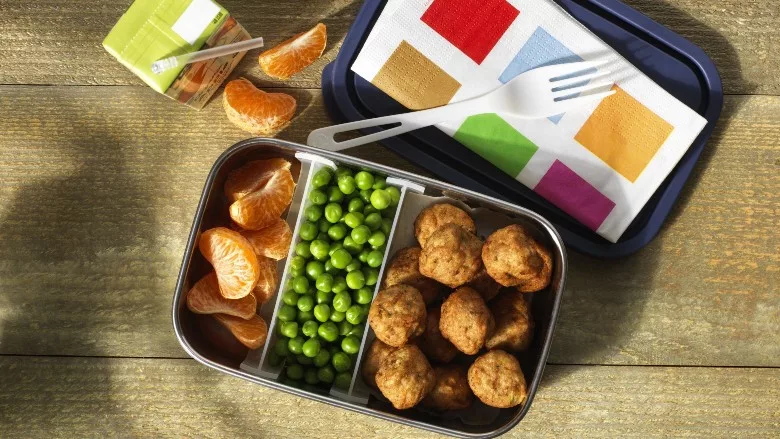
Kidfresh's Chicken Meatballs
As families continue to balance convenience, value and nutrition, kids' food brand Kidfresh is releasing its top kids' food and nutrition trends for 2026.
Michael Allen, CEO of Kidfresh, shared insights on how shifting consumer behavior, economic pressures and evolving family routines are shaping what children will eat in the year ahead.
"Parents continue to demand foods that strike the balance between nutrition, value and kid-approved taste," said Allen. "In 2026, we expect major shifts across the frozen aisle and kids' meal market as families seek smarter, simpler solutions."
Top kids' food and nutrition trends for 2026, according to Allen:
- Big food shake-ups and industry consolidation: As major food companies restructure and consolidate, opportunities are opening for nimble, emerging brands to respond quickly to what families actually want— more nutritious, appealing, and convenient options for kids.
- Inflation and the frozen advantage: Inflation continues to reshape family shopping habits. Frozen foods are becoming a value-smart choice because they deliver consistent nutrition economically, with far less waste than fresh or restaurant options.
- Cleaner labels and reduced ultra-processing: Parents are rejecting the mystery around some processed foods. They want shorter ingredient lists, transparency in sourcing, and foods that feel straightforward and trustworthy.
- Upgraded kid classics: Kids' favorites aren't disappearing, but parents expect improved versions: more vegetables, higher-quality proteins and less added sugar or sodium — without sacrificing the flavors children love."
- Hidden veggies, visible impact: Parents love when vegetables are integrated naturally into meals kids actually enjoy. The goal isn't to hide nutrition; it's to make it delicious and a seamless part of the eating experience.
- Protein remains a priority: Protein is critical for growth and muscle development in children, and its importance spans all ages. From animal-based sources like chicken, beef and fish to plant-based proteins, parents are looking for foods that are both nutritious and satisfying.
- Portion size and finger-friendly foods: Portion size matters, especially for kids ages 2–10. Children often prefer smaller, easy-to-handle foods they can interact with themselves—think mini chicken meatballs or bite-sized mac and cheese. These fun-sized portions are becoming a year-round approach to make nutrition more enjoyable and appropriately filling.
Source: Kidfresh
Looking for a reprint of this article?
From high-res PDFs to custom plaques, order your copy today!