Clean-label protein takes center stage at IFT First
Industry experts anticipate increased collaboration between plant-based protein and animal-based meat.

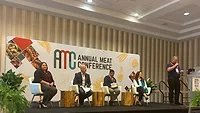
IFT plant-based protein panel
Left to right: Renske Janssen, senior project manager protein technology at Nizo, Serap Vatansever, R&D scientist at General Mills, Rohan Shirwaiker, co-director of the Bezos Center for Sustainable Protein at NC State University, Devin Peterson, professor at The Ohio State University
CHICAGO — The Institute of Food Technologists IFT First: Annual Event and Expo returned to McCormick Place in Chicago July 13-16, 2025, featuring several educational sessions focused on health and wellness. The show, themed "Cutting Sodium, Cutting Cost, and Clean Label Solutions – Driving Taste Innovation through Localized Application," specifically discussed GLP-1 medications, consumer concern over ultra-processed foods, the potential of the plant-based protein category and much more.
Keynotes focused on reducing salt, sugar and fats; the future of food additives; and GLP-1’s short- and long-term impact on the food industry. Educational sessions brought together experts from multiple food science disciplines across academia, industry and government. The trade show addressed the biggest issues impacting the protein industry across novel technology and innovation, health and nutrition, sustainability and climate, food safety and consumer insights.
Americans are increasingly utilizing GLP-1 medications such as Wegovy and Ozempic to manage diabetes and weight. In an individual IFT presentation titled "Thriving in Foodservice in a World With GLP-1 Medications," Mattson & Co. CEO Justin Shimek discussed the rising phenomenon of GLP-1s, and the likelihood of these medications to drastically change the food industry.
In his presentation, Shimek noted that GLP-1 medications drastically reduce the caloric intake of the medication user, up to 1,000 calories per day when first beginning the medication. In addition to this effect, Shimek said that GLP-1 medications have been altering the palettes and food preferences of some consumers. Moving forward, GLP-1 medications offer an avenue for foodservice operators to reduce portion sizes and prioritize value, as well as culinary innovation.
One standout educational session focused on a sensory analysis of alternative meat products, featuring direct insights from Nectar Food System Innovations' Taste of the Industry findings presented by the company's director Caroline Cotto.
Responding to consumer concern over poor-tasting alternative meat products, Nectar conducted a study to explore the sensory attributes of alternative meat products in various categories. Taste is the top priority when evaluating alternative meat products, but understanding taste and its nuances is the biggest barrier for plant-based protein applications. For the 2025 Taste of the Industry study, meatballs showed the biggest gap between animal-based meat and plant-based protein applications.
At another session titled "How Can Plant-Based Proteins Gain Consumer Acceptance?", panelists explored potential growth avenues for plant-based proteins, as well as overall category challenges. Panelists for this session included Devin Peterson, professor at The Ohio State University, Rohan Shirwaiker, co-director of the Bezos Center for Sustainable Protein at NC State University, Serap Vatansever, R&D scientist at General Mills and Renske Janssen, senior project manager protein technology at Nizo.
Vatansever said that plant-based proteins are more common in cuisine globally, and the United States has room for growth. Renske noted that, since consumers typically eat what they know, slow plant-based protein integration is likely the best way forward for the industry in the US.
All four panelists reinforced the possibilities for plant-based protein, but urged the audience to consider how plant-based proteins can stand alone, rather than serving as meat alternatives. Peterson noted that more research is needed on animal-based proteins, though, to be able to successful replicate the characteristics consumers like about animal-based meat products. Specifically, panelists noted more research is needed for flavor, as well as attributes like juicy and tender.
Peterson asked session attendees, "What is valued in beef, and how can that translate to analogs?" He noted that this issue is a major bottleneck in plant-based protein innovation.
Renske said that fermentation in the dairy industry can be applied to alternative meat products, helping to add texture and managing off flavors. She noted that fermentation can be implemented in both ingredient and product development.
Shirwaiker said that, although plant-based protein is likely to continue dominating the alternative protein category, cell-cultured and fermented products are on the rise. Hybrid products are likely to continue their popularity. Renske is seeing more plant-based protein industry interest in collaborating with the animal-based protein industry, to add value and address fiber needs as well as high demand for protein.
Another standout session offered insights on rising consumer concerns over ultra-processed foods. Speakers included Hillary Schiff, assistant professor at The Ohio State University, Susana Socolovsky, past president of Argentinian Association of Food Technologists, David Julian McClements, professor at the University of Massachusetts and Martin Slayne, VP global SRA, innovation at Ingredion.
Slayne noted that while it is good to bring overall awareness to food processing, the phrase "ultra-processed foods" is too broad; without a clear definition or focus, the food industry does not have much of a way to address consumer concern over ultra-processed foods. Slayne also said that positive collaboration is the key to addressing this concern; McClements noted that ultra-processed foods need to be evaluated on a case-by-case basis to understand each product's impact on nutrition.
The expo floor, a celebration of the latest food science innovations and technologies, featured protein, ingredients and health and wellness companies from around the globe, showcasing and launching their latest functional products and solutions.
The show floor featured a few standout themes, including guava-flavored ingredients and solutions, high demand for alternative proteins such as sunflower and fava bean, and minimal ingredient usage. With consumer concern over ultra-processed foods on the rise, food scientists and producers are prioritizing shorter labels for products that still have strong flavor, texture and mouthfeel attributes.
Source: IFT
Looking for a reprint of this article?
From high-res PDFs to custom plaques, order your copy today!