Plant-Based Meats Report 2026
Plant-based meat shifts from novelty to performance
Following years of rapid growth and strong investment, the plant-based meat category is entering a new phase: one less defined by novelty and more by performance.
Following years of rapid growth and strong investment, the plant-based meat category is entering a new phase: one less defined by novelty and more by performance.
Recent sales data underscores this shift. According to the annual Power of Meat report, refrigerated plant-based meat alternative sales declined 11.1% year-over-year to $276 million, while pounds sold dropped 8.8% to 34 million. Frozen and refrigerated plant-based meat alternative segments both face ongoing challenges.
At the same time, the traditional meat category continues to gain momentum, and demand for protein remains strong. Meat department sales rose 6.8% year-over-year to $111.9 billion, with volume increasing by 2% to 23.3 billion pounds.
The data reflects a market correction, where plant-based meat alternatives can no longer rely on novelty, but are instead being increasingly evaluated by the same criteria as conventional meat: taste, price, nutrition and everyday usability.
Consumer expectations for the plant-based meat category are becoming more defined. As the category matures, processors are refining their approach to better align with these expectations. Kimberlie Le, co-founder and CEO of plant-based meat producer Prime Roots, said the industry is seeing a shift toward “Clean-Label 2.0.” “Today’s buyers and consumers are demanding transparency and nutrition without compromising the sensory experience,” she said.
Le emphasized that this shift is driving product development beyond traditional center-of-the-plate formats; while early innovation in plant-based meat focused heavily on burgers and sausages, newer products are targeting more frequent eating occasions.
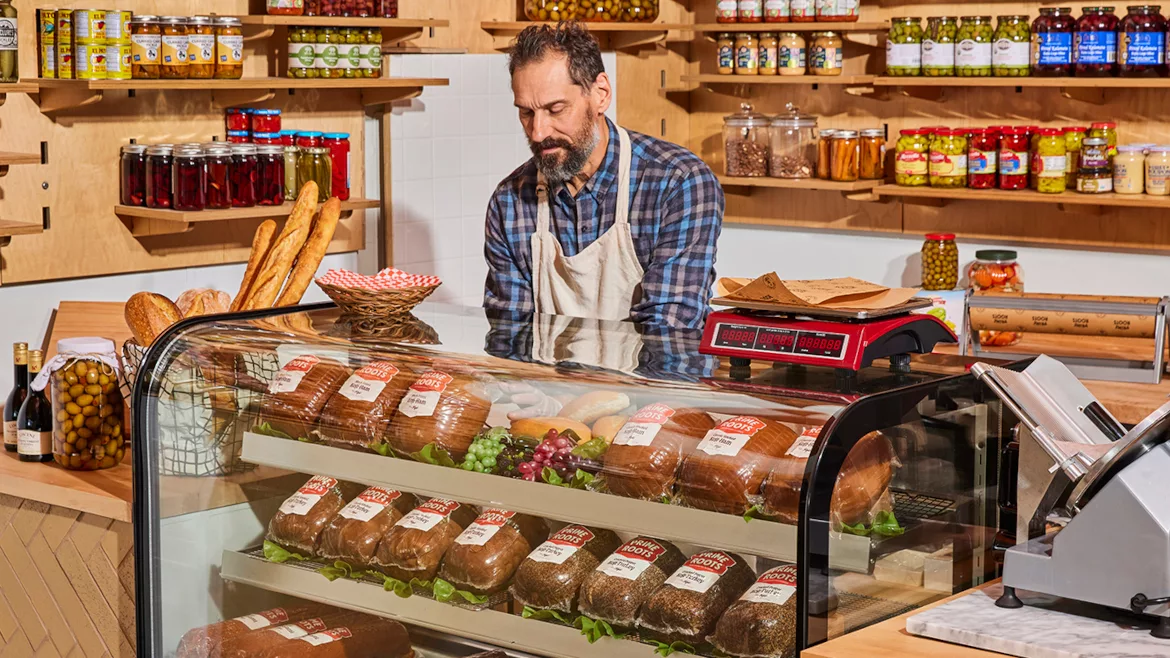
The deli department represents a key area for category growth, with high purchase frequency and relatively limited clean-label or alternative protein options, Le said. “People eat deli meats daily, often multiple times a day.”
As brands look to expand plant-based meat into more eating occasions, product development driven by convenience and usability is critical.
Despite continued innovation, challenges remain for the plant-based category, particularly when it comes to product performance. Le said one of the biggest hurdles for plant-based meat producers is closing the gap in taste and texture compared to conventional meat products, which continues to impact repeat purchases. “The primary hurdle remains the quality gap,” she said, noting that products must function as a one-to-one swap in both foodservice and at-home applications.
Perception is also hindering the plant-based category. Rising consumer concerns around ultra-processed ingredients and nutritional value reinforce the need for simple ingredient panels and clear, focused messaging. Le noted, “Many plant-based items lack the protein density and clean ingredient deck that today's health-conscious shopper expects.”
Innovation shifts toward functionality
Innovation within the plant-based meat alternative category is becoming more focused on both product experience and accessibility.
Le pointed to fermentation-based approaches, including fungi-derived proteins, as one avenue companies are exploring to better replicate the texture and structure of traditional meat while supporting cleaner ingredient profiles.
At the same time, brands are focusing on new flavor varieties and convenient formats to reach a broader range of eating occasions, Le said. This includes increasing availability across both retail and foodservice channels, with the goal of making plant-based options more accessible within everyday purchasing decisions.
Animal-based meats and blended products
As the plant-based meat category evolves, the divide between plant-based and conventional meat is becoming less rigid. Rather than positioning products in direct opposition, some plant-based brands are exploring ways to integrate into the broader protein category, through placement within the traditional meat case, blended product formats and messaging that targets flexitarian consumers who eat both animal-based and plant-based meats.
Blended products, featuring both plant-based and animal-based meat, are gaining traction with consumers, particularly among flexitarian shoppers. According to a 2024 report by Nectar, 74% of US consumers surveyed are interested or extremely interested in blended meat products. According to the report, “51% of omnivorous consumers said sustainability was their biggest interest driver in blended meat, while 47% cited health. Products with a 50/50 mix of plant-based and animal-based ingredients were perceived to be the most appealing.”
This shift reflects a more unified path for category growth, as consumers increasingly view plant-based options as one of many protein choices rather than a direct replacement for meat.
Looking for a reprint of this article?
From high-res PDFs to custom plaques, order your copy today!