Consumers embrace seafood as a grilling option
Seafood brings a fresh perspective to the backyard burger.
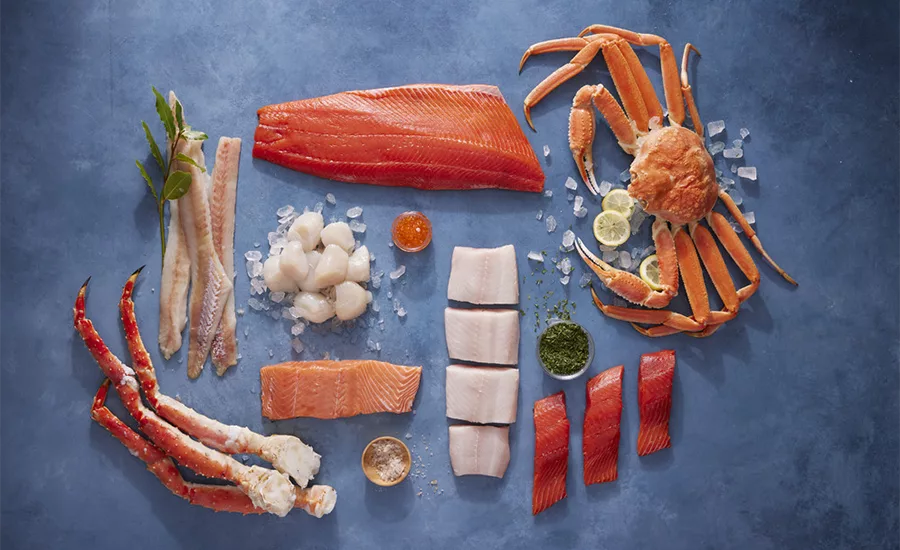
Summer is approaching, and warmed up weather around most of the US has Americans firing up the backyard grill.
Seafood grilling at home in 2026 is being shaped by a mix of foodservice-inspired approaches, and the rising popularity of flat-top grills and griddles makes delicate seafood easier to cook than traditional grates.
Megan Rider, domestic marketing director for the Alaska Seafood Marketing Institute, shares insights on trends in grilling for seafood.
What foodservice-inspired trends are influencing grilling seafood at home?
Megan Rider: We’re seeing a strong crossover from restaurant menus to backyard grills, especially when it comes to globally inspired flavors and formats. Chefs have helped demystify seafood by showing how versatile it can be—whether that’s skewers, tacos, or grain bowls—and consumers are bringing those same ideas home.
There’s also a growing group of highly engaged seafood consumers driving this behavior. According to FMI’s Power of Seafood 2026 report, just 10% of shoppers account for 40% of seafood purchases, which shows a core audience actively looking for new ways to prepare seafood, including on the grill.
At the same time, sourcing is becoming part of the conversation. As restaurants increasingly highlight where and how seafood is harvested, consumers are bringing that same mindset home—seeking options they can feel confident about. Alaska seafood meets that expectation, as it’s wild and sustainably managed under some of the most rigorous, science-based fisheries systems in the world.
We’re also seeing a shift toward simpler preparation that lets the quality of the seafood stand out. That approach works especially well with Alaska seafood, known for its clean flavor and firm texture.
Convenience is also key. More consumers are turning to frozen seafood, which can be cooked from frozen, making it easier to prepare a high-quality meal at home with minimal prep.
What underutilized seafood items (species, cuts) are good for grilling at home?
Megan Rider: Salmon is a staple, but there’s a lot of opportunity for home grillers to branch out into other Alaska species that perform beautifully on the grill.
Firm, hearty fish like Alaska halibut and sablefish are excellent for grilling because they hold their shape and develop a rich, flavorful crust. Sablefish, in particular, is prized for its high omega-3 content and buttery texture, which makes it especially forgiving on the grill.
Wild Alaska pollock is another underutilized option. Its mild flavor makes it incredibly versatile—it takes on marinades and rubs well and works great in grilled sandwiches, tacos, or skewers.
Even within salmon, lesser-known species like keta or pink salmon are great for grilling thanks to their firm texture and lighter flavor, offering a more affordable and approachable entry point.
What are some pointers for backyard grillers who aren't familiar with grilling seafood?
Megan Rider: Seafood is often seen as intimidating, but it’s actually one of the easiest proteins to grill with a few simple techniques.
First, pay attention to heat. Fish does best over a medium grill, while shellfish can handle higher heat. Second, don’t overcook—seafood cooks quickly and is ready when it turns from translucent to opaque and flakes easily.
A simple rule of thumb is about 10 minutes per inch of thickness, removing fish just as it turns opaque, so it stays moist.
Another helpful tip is to start fish skin-side up if placing it directly on the grates, then turn it only once. This helps keep the fillet moist and makes it easier to handle on the grill.
And perhaps most importantly, don’t overlook convenience: Alaska seafood can be grilled directly from frozen, which removes a lot of the guesswork and makes it easy for even novice grillers to succeed.
What unique value can seafood bring to the burger category for grilling?
Megan Rider: Seafood brings a fresh perspective to the burger category—offering something that feels both lighter and more versatile without sacrificing flavor.
Fish burgers made with species like Alaska pollock or salmon deliver a satisfying texture while allowing for a wide range of flavor profiles—from classic preparations like lettuce, tomato, and tartar sauce to globally inspired options like spicy sriracha slaw, Mediterranean herbs and yogurt sauces, or Baja-style toppings with citrus and fresh salsa.
There’s also a strong nutritional story. Alaska seafood is naturally rich in high-quality protein, omega-3s, and essential nutrients, giving operators and consumers a way to add variety to the grill while still delivering on flavor and quality.
What cross-promotional opportunities are there pairing seafood with beef, pork, chicken, etc.?
Megan Rider: Grilling is all about variety, and seafood pairs naturally with other proteins to create more dynamic meals—whether at home or on menus.
One of the biggest opportunities is surf-and-turf-style combinations—pairing grilled Alaska seafood with beef or pork to elevate the overall experience. This works especially well for entertaining, where people are looking to offer a mix of flavors and textures.
There’s also room for more casual, mixed spreads. Think grilled salmon alongside chicken or ribs, or seafood skewers served with classic barbecue sides. More and more, people are building meals around variety rather than a single centerpiece.
For operators, that same approach can help bring more variety to the menu and give customers more reasons to mix and match, with seafood adding a premium option to the grill.
Looking for a reprint of this article?
From high-res PDFs to custom plaques, order your copy today!
.webp?height=96&t=1647275041&width=96)





