USDA plans phased reopening for Mexican cattle imports
Meat Institute says renewed imports could help beef packers manage tight US cattle supplies as USDA maintains inspections and the authority to pause trade.
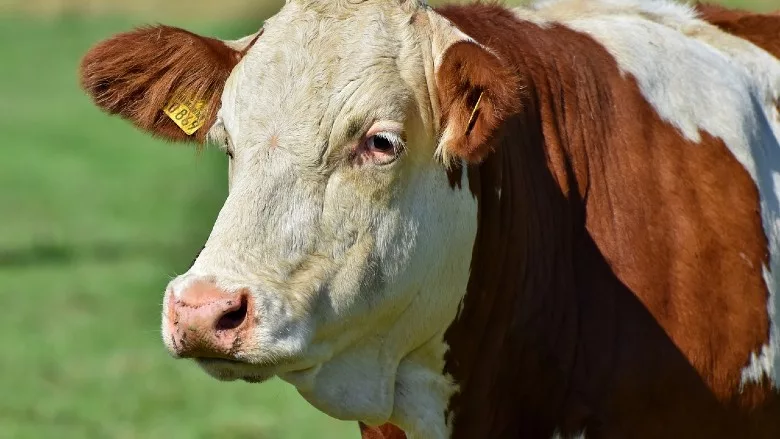
The US Department of Agriculture announced July 24 that it plans to resume Mexican cattle imports through the Douglas, Ariz., port on Aug. 24. The closest active case of New World screwworm was detected July 22 about 325 miles from the port.
After evaluating the initial reopening and any changes to its risk assessment, USDA’s Animal and Plant Health Inspection Service will consider reopening the Santa Teresa and Columbus, N.M., ports to live cattle, bison and horses. USDA said every animal entering the United States through the ports will undergo a full inspection for signs of New World screwworm.
US Secretary of Agriculture Brooke Rollins said “it is now safe to reopen the Douglas, Ariz., port in 30 days.”
USDA said Sonora and Chihuahua have stronger records of controlling animal movement and maintaining inspection programs than other regions of Mexico, giving the agency confidence to begin reopening trade through ports bordering those states.
USDA outlined a phased reopening of southern ports to livestock trade, contingent on satisfactory progress toward priority Action Plan milestones. The timeline will remain flexible and may be adjusted based on Mexico’s progress in meeting those milestones and addressing critical issues. USDA may pause the reopening if post-opening audits or other information indicate an increased risk in Sonora or Chihuahua.
In response to USDA’s decision, the Meat Institute said it supports a careful, phased reopening of the border.
“USDA Secretary Brooke Rollins has provided steady, science-driven leadership by pairing innovative dispersal of sterile flies and significant federal investment to protect the U.S. livestock and poultry industry,” said Meat Institute President and CEO Julie Anna Potts.
Potts added, “Importing cattle from Mexico allows beef packers to better meet consumer demand given the tight supply of US cattle. We will continue to support efforts to retain heifers and expand the herd as the best way to address the high price of beef for consumers.”
The National Cattlemen’s Beef Association also expressed support for USDA’s decision.
“Secretary Rollins and her team at USDA have been fighting the spread of New World screwworm with an aggressive five-point plan and comprehensive response playbook. Their work — along with the diligence of cattle producers in border states — bought the United States valuable time to improve our domestic readiness. The whole-of-government response has put us in a strong position to begin safely and gradually reopening our southern border to cattle shipments,” said NCBA CEO Colin Woodall. “This decision will help normalize business for cattle operations throughout the border states and Southern Plains. We appreciate the continued work of USDA to support American producers and the US cattle industry.”
Sources: USDA; Meat Institute; NCBA
Looking for a reprint of this article?
From high-res PDFs to custom plaques, order your copy today!