 RSS
RSS

Formulation Strategies


Formulation Strategies | Lunch Trends
Changing consumer lifestyles and eating behavior in response to COVID-19
Meat and poultry has become an increasingly attractive lunchtime meal option.
Read More


Formulation Strategies | Meat Snacks
Attacking snack appeal
With more consumers increasing snacking activity, merchandisers are in position to boost meat and poultry revenues with new options and by spotlighting the proteins' attractive attributes.
Read More


Formulation Strategies | Breakfast Trends
Protein dominates breakfast
Meat and poultry product formulators can give consumers the protein they want with the full flavor and quality they desire.
Read More

Formulation Strategies | Holiday Dinners
New traditions in holiday meals
Tradition with a twist: Younger families make their own holiday traditions with smaller portions, exotic meats and convenience.
Read More

Formulation Strategies | Lunch Trends
Lunch options change as lunch consumers change
Lunch on the run: Lunch is changing because lunch eaters continue to change.
Read More
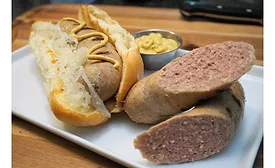

Formulation Strategies | Barbecue Trends
A new spin on barbecue
Classic preparation method expands reach in non-traditional areas and flavors.
Read More