Processing Tech
Humane innovation in the slaughter process
Increased automation and new stunning technology is creating a more humane slaughter process.
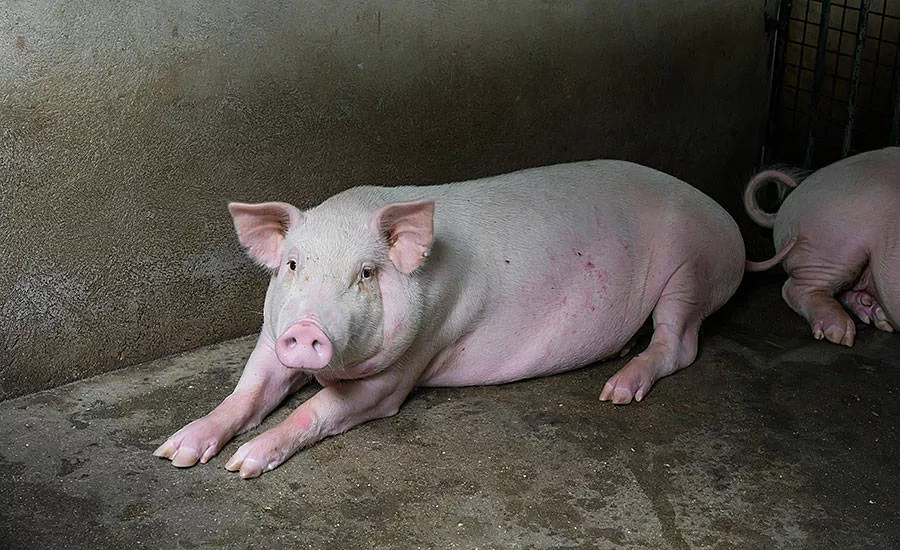
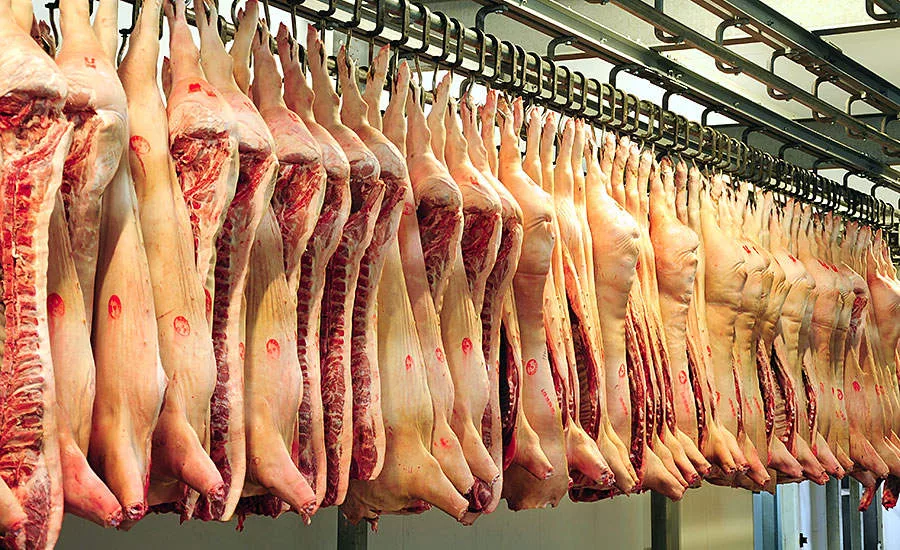
Increasingly, consumers want their meat to be raised and slaughtered in a humane way. Is the protein industry changing to better meet consumer expectations?
Perdue Farms announced last year it would be switching to controlled atmosphere stunning (gassing with carbon dioxide or argon gas) of its 700 million chickens before slaughter, will move to slower growing practices and add more light and increase animal activity at its 3,000 farms.
It’s a move not even People for the Ethical Treatment of Animals (PETA) can dispute and has, in fact, endorsed since 2002. In fact, many animal welfare organizations encourage more humane stunning and slaughter methods.
Although these changes come with high investment costs, they can benefit processors who market their humane policies to consumers and other companies that are looking to source these birds, such as KFC Canada, Wendy’s, Popeye’s Louisiana Kitchen, Chipotle Mexican Grill, Whole Foods Market, Bon Appétit Management, reported the Washington Post.
“For poultry and swine, there has been a continued movement toward gas stunning systems,” notes Kurt D. Vogel, Ph.D., associate professor of animal welfare and behavior in the Department of Animal and Food Science, University of Wisconsin – River Falls. “These systems greatly improve handling efficiency. In poultry, they also improve worker safety as the live hanging portion of the process is replaced by hanging stunned birds.”
In general, the three most common methods of stunning are mechanical, electrical and carbon dioxide gas to knock the animal unconscious before slaughter.
With controlled atmosphere stunning, birds are placed in a container lacking oxygen but having carbon dioxide or argon gas until they fall unconscious. In contrast, birds are traditionally shackled upside down and then stunned by electrical water bath systems before ultimately having their necks cut to bleed out and their bodies put in boiling water.
“In the long term, there may be a need to refine the gas blends that are used in stunning systems, particularly for swine,” Vogel says.
Hogs are herded through pen gates and lowered by a hydraulic system to a pit with high carbon dioxide levels, so they fall unconscious before being moved to the slaughter room.
“It’s more expensive than electrical stunning systems, but is by far the most humane way to slaughter pigs,” says Chris Fuller, president of Fuller Consulting, a San Diego-based red meat advisory firm. “It’s safe for workers and a great system, but expensive to invest in.”
Refining the stunning process
Much of the focus on stunning procedures so far has generally been centered on refinement.
“There is a relatively wide variety of quality equipment on the market today, so we are largely in a stage of fine-tuning what is available to do the job better,” Vogel says.
Research and development continues to take place with mechanical stunning systems, in particular. Mechanical stunning involves firing a bolt through the skull of the animal using a pneumatic device or pistol.
“Over the past few years, multiple studies have been conducted and are in the publication process that outline how changes in stun placement and bolt length influence captive bolt gun performance and stunning consistency,” Vogel says.
Mis-stuns are the most common forms of U.S. Department of Agriculture (USDA) Food Safety and Inspection Service (FSIS) penalties and humane handling suspensions. “Newer knock boxes — whether they are hydraulic or pneumatic controls — hold the animal’s head still and would solve 80 percent of mis-stun problems,” says William James, Ph.D., chief consultant at William James & Associates, in Dale City, Va.
Animal experts can also help facilities plan how to move their animals through the stunning and slaughter process — pens or corrals to chutes to stun boxes — in a calm manner. “Plants may handle different types of animals,” James says. “Don’t bring bulls or mature sows into a plant that can’t handle them, for example.”
Large slaughterhouses are under the most public scrutiny so they tend to consistently invest in improving their stunning procedures, Fuller says.
“They care about doing it right and safely for their animals and employees,” Fuller says. “So much attention is paid to their operations that poor video footage of their stunning operations will lead to liability and bad public relations.”
Smaller companies, on the other hand, don’t have the resources of the larger plants so may rely more on hand stunners or even rifles, which are less reliable. “With time, technology will become more affordable and widely available,” Fuller says.
Managing the stunning platform
The best-managed plants are the quietest plants, says James. “If you pay attention to the three S’s that spook animals — sights, sounds and smells — you will be much better off,” says James. “It’s not asking too much that the animals we eat are not abused.”
To that end, electric prods are less effective in moving animals than having them quietly follow balloons on sticks, for example, he says.
There has been increasing interest in refining ergonomics and organization at the stunning platform to help stunner operators consistently and safely do their job.
“Such refinement is never really complete as innovation tends to be continuous,” says Vogel. “Allowing the stunner operators to have a significant voice in how they prefer the stunner platform to be organized and the handle configuration to be set on some stunners is a good idea that many plants have used for several years.”
On a separate note, it is a good idea for plants to install video recording equipment at the stunning and restraint areas as a tool that can be used for training and observation. “At times, events occur where plants wish they had video to review in hindsight,” Vogel says. “At that point, it is too late to go back and see what actually happened.”
Automating cuts
Knife technology is also being improved to make for a more humane cutting method, Fuller says.
Increased automation and robotics during the slaughter process increase opportunities for improved sanitary dressing, James says.
“What can be built into robots to minimize contamination and maximize decontamination?” asks James. “It’s not just about their efficiency and clean-in-place capabilities anymore.”
The more robots plants use, the fewer people they need for dangerous or repetitive tasks.
“Plants have come a long way over the last 25 years,” James says. “But doing the same activities every day will build up wrist and hand injuries. Better rest breaks, knives and moving employees around so they handle different cuts will change things up.” NP
Looking for a reprint of this article?
From high-res PDFs to custom plaques, order your copy today!