Cutting back to move forward sustainably
New Zealand’s Silver Fern Farms makes big reductions in plastic waste, greenhouse gas emissions.
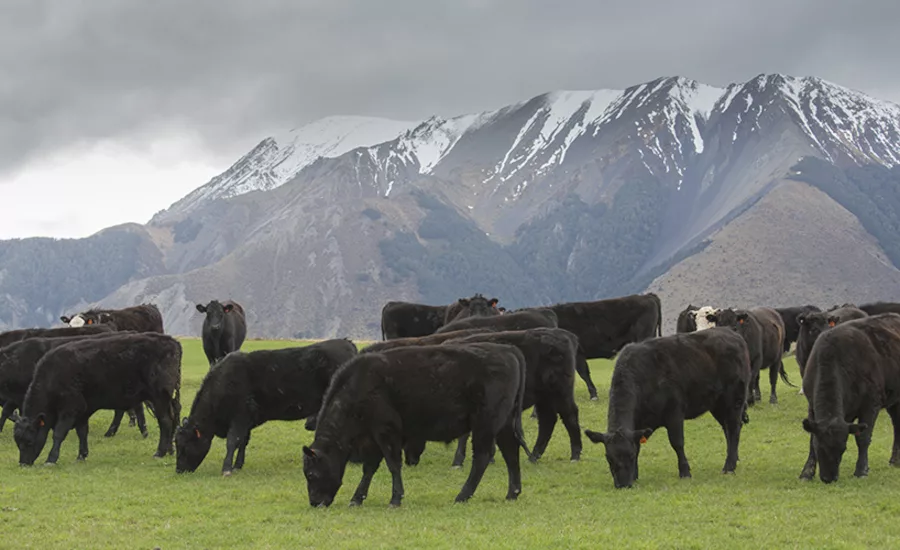
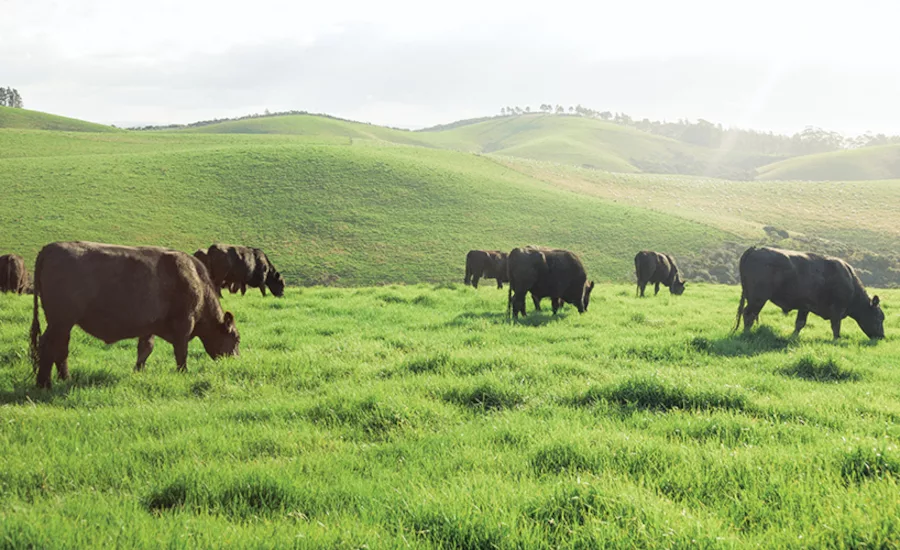

When it comes to preserving the environment, all possible factors contributing to climate change have to be examined. The animal agriculture industry is frequently called out for its role in greenhouse gas emissions, and the cattle industry has been targeted as the worst offender.
There has been plenty of discussions about the environmental cost of animal agriculture is, but no agreement. After the United Nations released its “Livestock’s Long Shadow” report indicating that livestock accounts for 18% of greenhouse gas emissions, numerous scientists pointed out flaws in the research stemming from the way the report factored in the environmental cost of transportation. The beef industry has made great gains in becoming more sustainable. The North American Meat Institute published a Meat Myth Crusher article that pointed out that each pound of beef raised in 2007 compared to 1977 used 19% less feed; 33% less land; 12% less water; and 9% less fossil fuel energy with an overall carbon footprint reduction of 16 percent. During this same period, the U.S. produced 13% more total beef from 30% fewer animals.
Regardless, many consumers have made the decision to cut back on their meat consumption. Foodie website Epicurious announced it had stopped adding recipes that include beef as an ingredient. Every day, there are new plant-based products that aim to replace beef. Many beef companies have, in turn, looked internally to see how their corporate environmental footprint can be reduced.
Silver Fern Farms, New Zealand’s largest producer of grass-fed cattle, announced several sustainability milestones in its 2020 annual report, including:
- 7.7% reduction in water use per kilogram of product.
- Over 100 tons of plastic permanently removed from supply chain.
- 30% gross reduction of carbon dioxide (CO2) on non-verified 2005 level achieved.
Independent Processor spoke with Matt Luxton, Silver Fern Farms’ USA Country Director, about the company’s environmental successes.
Independent Processor: What has Silver Fern Farms done to reduce water use and CO2 emissions in its operations?
Matt Luxton: Silver Fern Farms has been accelerating its drive to reach sustainability goals across its operations, since we adopted our sustainable chain of care in 2015. We have cut our water use by 30%/kg product in that time. First, we focused on some obvious aging infrastructure, which gave us some quick gains. Next, we adopted a series of measures to understand our baseline and started to install meters within our sites so we could see where we could focus our efforts. Then came new technology and innovation to achieve the same food safety and quality outcomes, but by using less.
We have done a very similar thing with our greenhouse gas emissions. We were the first company in New Zealand to adopt a target aligned with the Paris agreement, which was an intensity-based measure based on 2005 levels. Our focus on addressing aging infrastructure has seen us reach that target, reducing the intensity of our emissions per kilo of product by 30%.
Next, we were the first red meat marketing and processing company in NZ to certify and report our emissions under what is called a carbon reduce program. So, measurement was key to understanding where we could best focus our next efforts. We have cut our certified emissions by 30% in the first three years of measurement, realizing these cuts through improved understanding of our emissions sources and some smaller easy to implement actions based around energy saving, the way we treat our wastewater and improved transport logistics.
Next, we focused our efforts on a primary goal, through increased dedication to spending capital on decarbonizing process heat and increased confidence in the technology available to us to move away from fossil fuels to clean energy. So much so that we are proud to announce that two of our projects in the next two years will cut our coal use in half and drop our emissions by a further 14%.
IP: How have you removed so much plastic from your supply chain?
ML: We have removed over 100 tons of plastic per annum from our supply chain, and that is just the measured amounts. Every day we are making changes that reduce our material inputs into our business through a smart way of working called streamline. It’s where actions and innovation hit the shop floor. Where our people are empowered to come up with ideas and drive improvements and these are rapidly adopted across the business by all our sites.
The other major driver is sustainable procurement, where our partnerships with our suppliers are critical to our own success and that our drive for sustainability and our goals are shared by our suppliers and written into contracts. There are some great examples of how we are doing this across the business including swapping out materials, changing our stretch wrap on pellets to lighter yet stronger grade plastic, changing carton liners that are just as effective but use less plastic, swapping the outer layer of packaging for recyclable cardboard and driving greater ownership of single use raw materials provided to our sites back to our suppliers for repurposing to avoid landfill.
We have many more innovation projects on the go to drive these changes even further. We see plastic as a big concern for a new generation of our important customers. We want to ensure that as we reduce our plastic use that the integrity and safety of our product is absolutely protected.
IP: What are some of the production practices that your farmers do that is maybe different from the different from the industry at large?
ML: One principal difference is our commitment to sustainable farming, which is an integral part of our sustainable chain of care. Our farmers raise their animals following New Zealand’s leading grass-fed farming standards, which are comparatively more sustainable and regenerative. New Zealand’s natural grazing practices focus on matching animals to the natural ability of the mix of soils and climate, minimizing the amount of intervention required in maintaining animal, soil and environmental health. Also, New Zealand’s biodiversity rich landscapes, where animals are born, bred and nurtured, use a system of rotational grazing, minimum tillage practices, and allow healthy soils to build and maintain organic matter, and carbon, over time. At Silver Fern Farms, we prioritize sustainable farming practices like these and are constantly exploring new ways to work with our farmers to create positive change for the environment.
We believe that our EQ grading system is another difference for Silver Fern Farms that is leading the way in creating a new standard for premium meat. All prime steer cattle are graded under the Silver Fern Farms Beef Eating Quality (EQ) System, a science-backed grading process developed by a team of researchers from the University of Otago in New Zealand, Texas Tech University in the U.S. and independently accredited and audited by MLA grading specialists that rates beef based on seven scientific criteria proven to affect red meat-eating quality to guarantee a superior eating experience. In contrast, the USDA grading system mostly applies to conventional beef since its grading criteria is based on marbling specific to grain-fed cattle. Because grass-fed beef is leaner and does not have the same amount of marbling as conventional beef, the majority of grass-fed beef cuts in the US are not given a USDA grade shield. Our EQ system, on the other hand, was developed specifically to help guarantee consistent high-quality grass-fed meat for our customers around the world. Being able to guarantee a better eating experience is important for our vision to create high-quality red meat products that inspire.
IP: What are a few steps that companies can take to improve sustainability within the industry?
ML: The first step is to be bold.
The second is to make a commitment to solidify sustainability as the core of your strategy and your reason for being. Food production can absolutely contribute positively to environmental, social and economic outcomes for people and the planet. However, until you make that your core purpose that drives every business decision, you will struggle to make the rapid progress consumers are demanding,
Third is to define what’s important to you and, more importantly, your customers, your people, your communities, and your suppliers and farmers – understand those important issues deeply and connect them into your long-term planning.
Fourth is to set a baseline. Measure so you know where your biggest gains can be made and to be able to track your progress. Set up the systems and data management so you can be transparent about where you are and aren’t making progress.
Then set targets against those important issues - big bold targets that will transform what and how you do it.
Finally, you need to implement a plan of action against each of those targets, commit time, resources and money to making it happen.
There is no perfect solution for sustainability as every business, every person, every customer has their own priorities, issues, challenges and constraints. What we all share though is a resounding belief that food production has a critical role to play in a sustainable future for humanity.
Looking for a reprint of this article?
From high-res PDFs to custom plaques, order your copy today!