Social media and in-store experiences drive frozen food discovery
National Frozen & Refrigerated Foods Association reveals how consumers are discovering and purchasing frozen foods in 2025.
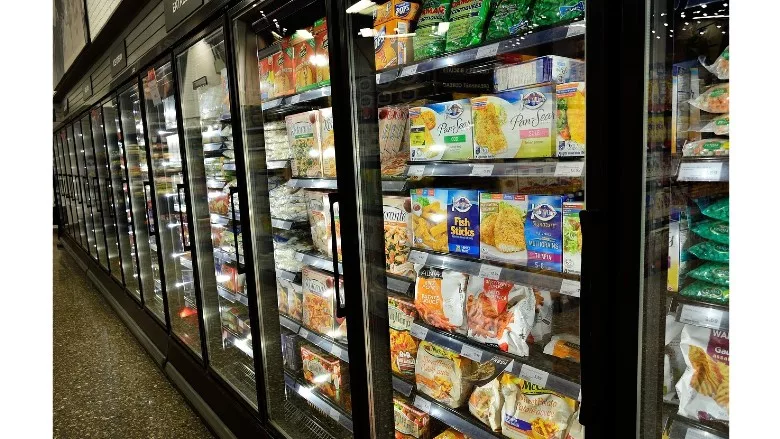
Frozen food aisle
The National Frozen & Refrigerated Foods Association is unveiling findings from a new study that reveal how consumers are discovering and purchasing frozen foods in 2025. Social platforms like TikTok, YouTube and Instagram are now key sources of inspiration for younger shoppers, while traditional in-store promotions remain the most effective tool for influencing purchase decisions across all demographics.
“Today’s consumers are turning to digital platforms for real-life meal inspiration—and frozen foods continue to deliver,” said Kate Landis, NFRA senior director of marketing. “Brands that show up with relatable content online and a strong in-store presence will stay top of mind and cart.”
Key findings from the study include where shoppers get food information, generational digital dives, social media's role in frozen food trial, and attitudes toward frozen foods.
A total of 47% surveyed rely on in-store displays and signage to get food information, while 40% turn to family and friend. Social platforms are also gaining ground: YouTube (29%), Facebook (25%), TikTok (21%) and Instagram (18%). YouTube remains strong across all age groups, while 50% of Gen Z use TikTok for food inspiration versus just 5% of boomers.
The most persuasive content ads include brand ads (41%), influencer reviews (25%), grocery hauls (25%) and food challenges (24%). From those surveyed, 36% of consumers said social media influences their frozen food purchases. That climbs to 50% for Gen Z and 49% for Millennials.
Consumer attitudes toward frozen foods are generally positive, as 73% say they can make affordable and tasty meals with frozen foods, while 69% believe frozen foods can support healthy eating and 52% say in-store discounts encourage them to try new frozen products.
To connect with today’s frozen food shopper, brands and retailers can create platform-specific content, especially on TikTok, YouTube and Instagram. They can partner with real-life influencers who focus on flavor, value, and quick meal solutions. Brands and retailers can double down on in-store promotions, which remain the most powerful trial driver across generations, and work to bridge digital and physical touchpoints for a unified shopper experience.
“This research gives our industry a clear look at how shoppers are discovering frozen foods—and how we can meet them with the right message, in the right place,” Landis said.
Looking for a reprint of this article?
From high-res PDFs to custom plaques, order your copy today!