2025 Processor of the Year: Coleman All Natural Meats
Multigenerational commitment sustains growth for Coleman All Natural Meats
Longtime innovator in the all-natural meats category marks its 150th year with an expanded branded and private-label focus, backed up by a new 240,000-square-foot processing facility.

Photos courtesy: Coleman All Natural Meats
The National Provisioner is honored to present Coleman All Natural Meats as it 2025 Processor of the Year.
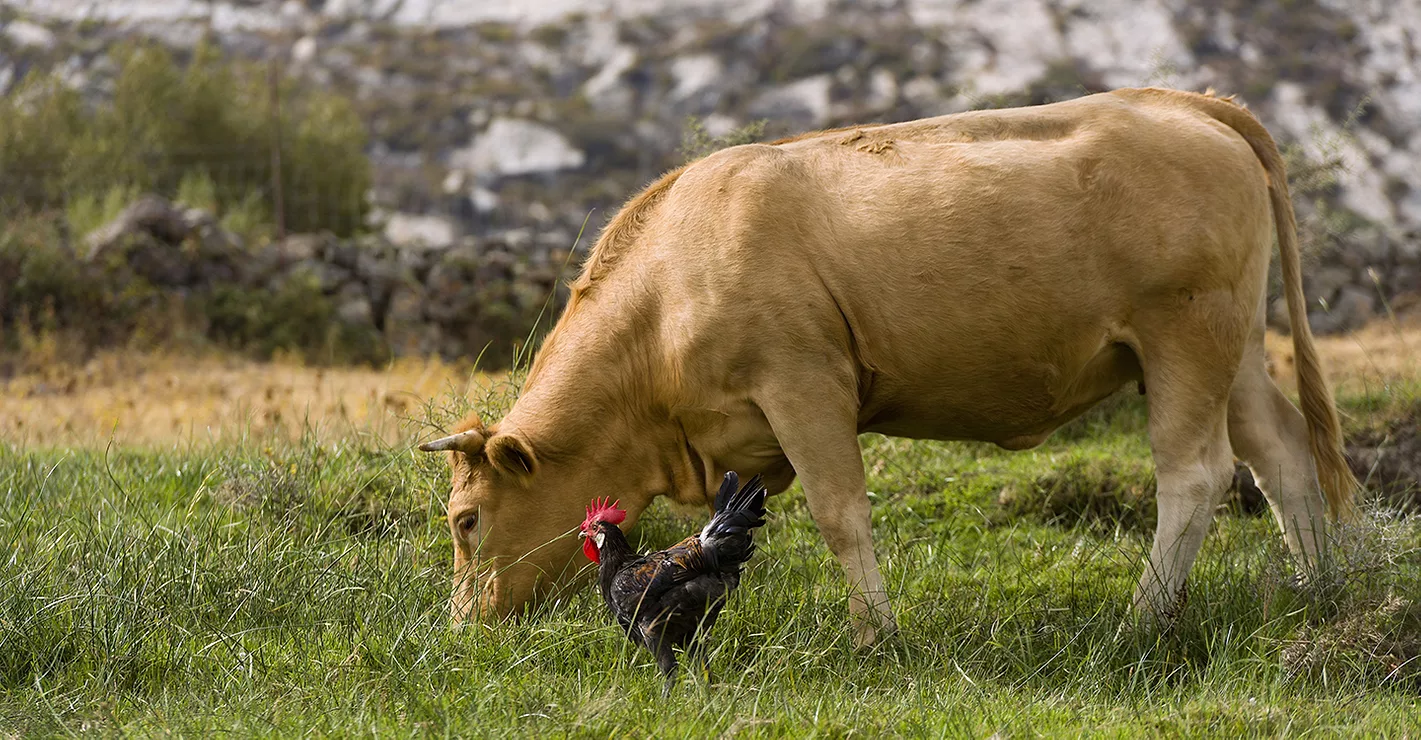
In addition to this longtime innovator’s contributions to the meat industry as a pioneer in the all-natural meats category, the Colorado-based company is celebrating its 150th year in 2025. The milestone underscores the brand’s multigenerational family heritage and commitment to all-natural, humanely raised meats sourced from family farmers, raised with no antibiotics or added hormones, and fed an all-vegetarian diet.
As part of the celebration, Coleman has launched updated packaging with a new look and feel and will be extending its product lines in the bacon, rope sausage and flavored grinds categories.
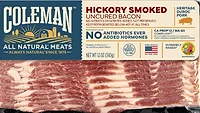
Bacon has long been a leading item for Coleman All Natural Meats, with hickory and apple wood flavors being mainstays for years.
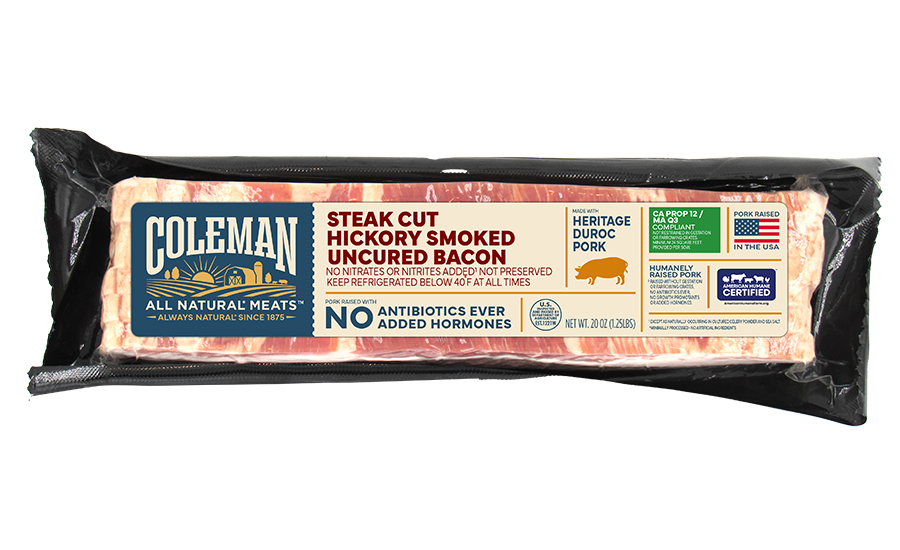
“We’ve seen the consumer wanting different ways to utilize bacon,” said J.D. Enrici, Coleman All Natural Meats vice president of sales and marketing. “Pork belly is one way to use it, but another way is to give them a thick Steak Cut bacon that really elevates the eating experience with a great flavor profile and multiple use options. It’s like six slices in a 20-ounce pack.”
Rope sausage will be all pork with a natural casing and naturally smoked, available in Kielbasa, Andouille and Smoked Sausage options, Enrici said.
“We’ve seen the last few years where grinds continue to elevate,” he said. “We’ve had 80% and 90% ground pork out there, but we haven’t really played into the flavor side of things. Having an Italian and a Breakfast and Chorizo in the lineup really gives us a nice portfolio of products.”
Coleman All Natural Meats’ expanded lineup of its branded products is occurring in tandem with a push into private-label packing, and the company is backing those efforts up with newly expanded production capacity.
“We have a new processing plant where we can do both fresh and value-added items,” said Mel Coleman Jr., fifth-generation Coleman family member and spokesperson for Coleman All Natural Meats. The facility is in Sioux City, Iowa, and production at the site began this spring. Coleman said the facility totals more than 240,000 square feet, with 105,000 square dedicated to the production area.
Coleman All Natural Meats’ Sioux City expansion opens up expanded opportunity for producing Coleman-branded items but also broader private-label capabilities for Coleman All Natural Meats’ retailer partners.
“With that new plant, what we’re going to be able to do for the retailer is we will offer a variety of items in different packaging options,” Coleman said. “We just try to stay in line with what both retailers and foodservice suppliers need in terms of products that they carry in house, but then we pay attention to what consumers are looking for.”
Coleman All Natural Meats is looking to increase the presence of its products in the meat case, whether they are Coleman-branded products or products they pack under private label for their retail partners.
“One of the things we’ve talked about as a brand is trying to gain more presence on the shelf so it’s not just one item over here in the rope sausage category and it’s by itself,” Enrici said. “Now we’re going to have three items within the category, so we’ll be able to brand block more but at the same time offer that consumer a clean alternative.”
Coleman All Natural Meats’ is positioning its production and product lines to co-merchandise its branded product alongside product it packs for retailers’ private-label offerings.
“The trend of retailers has been to go with some kind of a private-label program, and so we thought wait a second we’ve got the highest quality natural pork around, so let’s offer retailers that but let’s try to tie it in conjunction with putting some Coleman-branded items for the processed items into the triple-deck cases,” Coleman said.
Humanely raised
Coleman All Natural Meats sees growth opportunities at both retail and foodservice resulting from consumer demand for higher quality, natural products, Coleman said. “More and more consumers are being concerned about how livestock are raised.”
The Coleman brand has built its reputation through filling consumer need for meat products that come from livestock raised with antibiotics or growth hormones and fed a 100% vegetarian diet.
“My dad, in our original mission statement, started with the words ‘by understanding our customers, we will … “ and so that’s one thing that we’ve always tried to do from the time we got into the meat business,” Coleman said.
The Coleman family started ranching in Colorado in 1875. Coleman’s grandfather was involved in conservation efforts in the early 1900s, Coleman said. In the 1960s, Coleman Natural Meats was an early adopter of sustainable production practices such as rotational grazing.
“My dad (Mel Coleman Sr.) actually had some test blocks over a 50-year period,” Coleman said. “Every five years he would measure the grass density inside the test plot, and then outside where the cattle were grazing, and over that 50-year period of time not only did we improve grass density, we also improved the watershed.”
Wildlife herds increased as well, he said.
The Coleman All Natural Meats brand was then founded in 1979 by Mel Coleman Sr., who worked with the US Department of Agriculture to define the first Certified Natural label outlining livestock raising practices without the use of antibiotics or added hormones, and 100% vegetarian feed.
“We’ve just always stayed strict with ‘natural’ meaning raising practices, and that’s what we developed the Coleman brand around,” Coleman said. (The Coleman brand was acquired by Perdue Farms, a fourth-generation family-owned food and agriculture company, in 2011).
Partnering with producers
Another key area for Coleman All Natural Meats’ growth is supplying an alternative market for producers that have the same values as Coleman All Natural Meats when it comes to raising animals.
“One of the things we’re celebrating is we’ve expanded our network of family farms.” Coleman said. “We’ve always been concerned about the viability of small family farms and ranches, and what we did is offer an alternative market. There’s opportunities in helping small family farms market their pork into an alternative market that’s not the commodity market. We pay producers a premium to raise pork to our standards.”
Coleman All Natural Meats supports its producer partners with clearly defined production standards along with a veterinarian and field support staff, Coleman said.
Starting with a quality pig is a key part of the plan.
“Heritage Duroc breed is all about adding that flavor, that marbling, that quality aspect of it to bring that restaurant experience home,” Enrici said. “The way we raise our animals and the way the farmers take care of them -- it’s all about providing that better eating experience ultimately for the consumers.”
150th anniversary and continuing growth
Celebrating Coleman All Natural Meats’ 150th anniversary follows a rebranding effort that started last year, Enrici said, and Coleman Natural Meats wants its farmers, retail partners and consumers to join the celebration.
“We’ve really expanded and developed our website, and we’re finding that more and more consumers are engaging with us on that,” Coleman said.
Also in conjunction with Coleman All Natural Meats’ 150th anniversary, the company’s products are sporting new packaging. Coleman All Natural Meats recently updated the brand’s aesthetic, showcasing its legacy while communicating the premium quality of its products by highlighting key claims such as “no antibiotics ever” and “no added hormones.”
“We’ve redone the logo, and the way we speak to the consumer about claims and our attributes,” Enrici said. “We look at our consumers every year and how they evolve from year to year. The healthier and ‘better for you’ elements are a key thing for them.”
Looking for a reprint of this article?
From high-res PDFs to custom plaques, order your copy today!
.webp?height=96&t=1647275041&width=96)