DecisionNext Cheeseburger Index returns – and it's record-breaking
The index highlights the price increases across the protein industry throughout summer 2025.
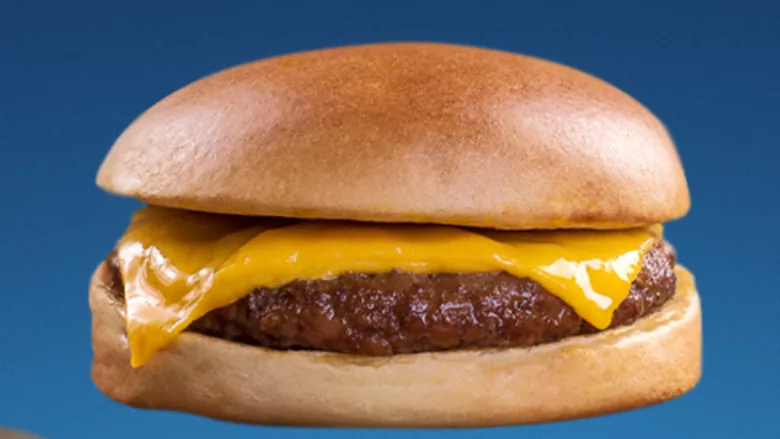
DecisionNext recently introduced its new, improved Finished Goods Index, which analyzes key commodity prices to track how rising material costs are shaping prices for everyday products while providing a six-month forecast to help businesses make strategic decisions.
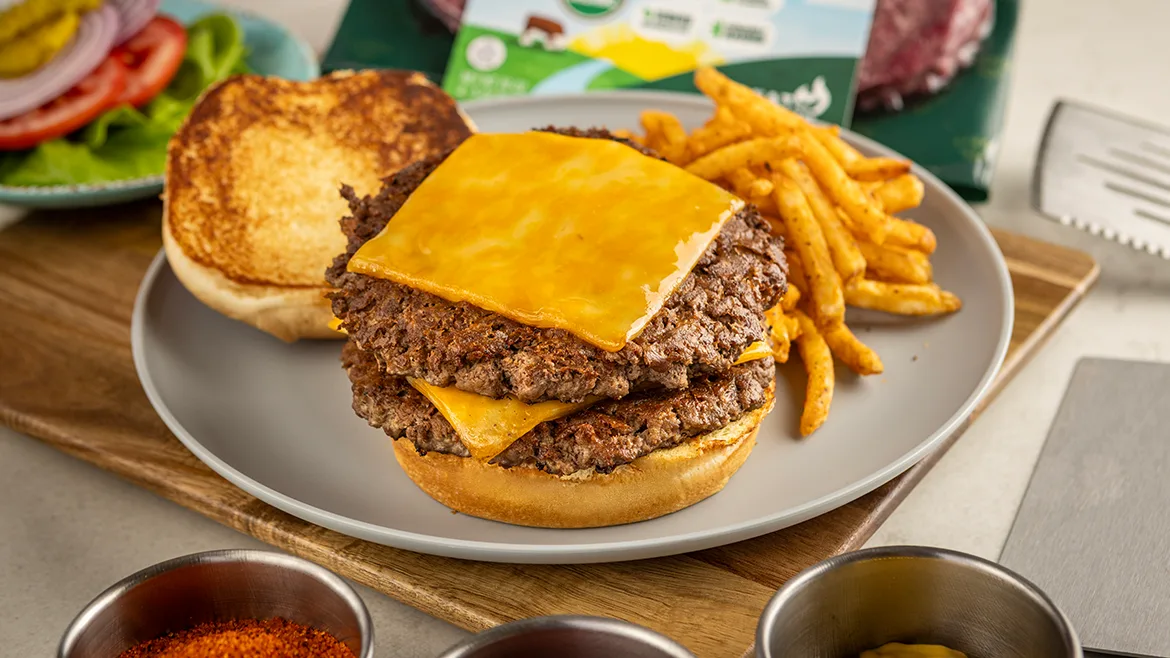
To mark its return, the index started by price-checking one of the most iconic American food items: the cheeseburger.The survey suggests something that the cheeseburger-loving US public probably suspected: prices are up. The Cheeseburger Index hit a record-breaking 130 in July 2025 (read the full report here.)
DecisionNext Head Economist David Boussois shares insights on the Cheeseburger Index and the factors driving price increases across the protein industry throughout summer 2025.
What is the Cheeseburger Index, and what does it aim to illustrate about food cost trends?
David Boussois: The Cheeseburger Index is the first of several indices that will make up the monthly DecisionNext Finished Goods Index Report. These indices track the wholesale prices of foods used in common products made by distributors, food service establishments, and restaurants. The cheeseburger example illustrates this, combining beef trim for ground beef, frying oil, cheese, and wheat for buns.
Our approach differs from other food indices because we develop it from the commodity level up rather than tracking consumer prices. This has a few advantages. For example, consumer price indices (CPI) from the Bureau of Labor Statistics are monthly and usually reported halfway through the following month. In contrast, using wholesale data provides actual or previous-day values, enabling us to be six weeks ahead of others while focusing on the prices that matter to companies throughout the supply chain.
By combining this with AI and machine learning forecasts, we can confidently say that, by the time others report on market changes, it will be old news here. Whether it is tariffs, supply chain issues, or shifts in market fundamentals, staying ahead of the market is immensely valuable.
How does the protein component of the Cheeseburger Index measure up compared to other aspects measured in the index?
David Boussois: Protein is the largest component of the cost to this index. This has been amplified by the increase in wholesale beef trim prices.
While the prices of ingredients like hard red winter wheat or cheddar cheese do fluctuate, they just don't move the needle the same way that ground beef does. Ground beef is the largest cost driver in the Cheeseburger Index. Not only is it the largest component by weight (4 ounces of ground beef making up roughly half the weight of all the cheeseburger components), but beef trim has seen notable price increases over the past year and continues to demonstrate heightened price volatility. This reflects broader market realities—protein prices respond more directly to supply constraints and demand changes, making them a crucial input to monitor for any finished goods cost forecast.
To put this in perspective, the raw material inputs for the cheeseburger index totaled up to $1.15 in July. Of that total, $0.82 can be attributed to the 75% lean ground beef, while only $0.06 can be attributed to the bun. So even if the cost of the bun were to spike by 50% next month, it would still have a relatively small effect on the overall price of the cheeseburger. We acknowledge that this approach underestimates the total cost of production, especially for items with high labor or energy expenses. Nonetheless, by aggregating the commodity prices of a food item, it offers a unique perspective on the profitability and production costs that other indices do not provide.
What are some general food price market trends evidenced in the current Cheeseburger Index numbers?
David Boussois: The index really highlights the large price increases we observed across the protein industry throughout summer 2025. First, we observed higher prices in chicken breasts, but this later transitioned into many beef and trim values, as well as pork. Similar to chicken, though, we are starting to see these values transition down from those summer peaks, but the beef supply (as well as hog supply) going forward is likely to keep protein costs elevated through the rest of the year.
In the current market, how can protein processors/suppliers position themselves to capitalize on emerging food market trends?
David Boussois: This usually begins with a clear plan and process, so when shocks happen, the response isn't reactive but proactive — having anticipated the event and making early or well-timed purchases. We believe that success relies on a process grounded in data and informed by forecasting. By monitoring market trends, companies can stay at least one step ahead of the market and their competitors. We've found that even small shifts can be economically significant, often saving 2% to 3% on procurement costs, resulting in millions of dollars in savings.
Looking for a reprint of this article?
From high-res PDFs to custom plaques, order your copy today!
.webp?height=96&t=1647275041&width=96)