IFT Journal of Food Science examines sustainable supply chains for aquatic food
Free-to-read issue shares a series of critical reviews and explores the multifaceted aspects of aquatic food and their role in a sustainable future.
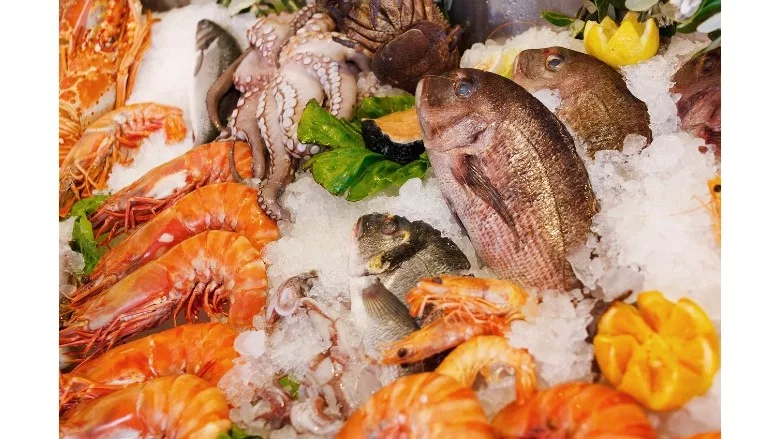
IFT’s Journal of Food Science (JFS) a peer-reviewed journal featuring the latest scientific food research, is announcing the release of its Special Issue on Health, Safety, and Sustainability of Aquatic Foods. The free-to-read issue, developed by IFT’s Aquatic Food Products Division, shares a series of critical reviews and explores the multifaceted aspects of aquatic food and their role in a sustainable future.
 IFT’s Journal of Food Science
The special issue addresses topics ranging from production, processing, safety, nutrition, shelf life and emerging technologies while also addressing key concerns in the aquatic food industry, such as monitoring for environmental toxins, pathogens, and ensuring product authentication and labeling integrity. The issue also highlights innovations in processing methods as well as the efficient utilization of processing byproducts to minimize environmental impact and add value to the processing chain.
“With the continuous increase in global population, aquatic foods – including fish, shellfish, seaweed, and microalgae – have become vital sources of nutrition," said IFT member Qinchun Rao, Ph.D., Betty M. Watts Endowed Professor of Food Science at Florida State University. "These foods offer high-quality proteins, essential omega-3 fatty acids, vitamins, minerals, and bioactive compounds crucial for human health.
"Promoting aquatic foods can potentially reduce the consumption of red meat and poultry, which are associated with high carbon footprints, and bolster food security for vulnerable populations." Rao, a member of the IFT Aquatic Food Products Division, authored an article in the special issue on improving consumer acceptance of seaweed-based foods.
Founded in 1982, the IFT Aquatic Food Products Division serves as a hub for professionals, researchers and students in the field of aquatic food science and technology. The division, featuring more than 400 members across 35 countries, is dedicated to advancing knowledge, fostering collaboration, and promoting innovation in areas spanning safety, nutrition, sustainability and product development.
Looking for a reprint of this article?
From high-res PDFs to custom plaques, order your copy today!