Tech Topics: Ingredients
Building a better burger in 2026
Increasing consumer interest in new approaches to old comforts is bringing exciting changes to the humble burger.
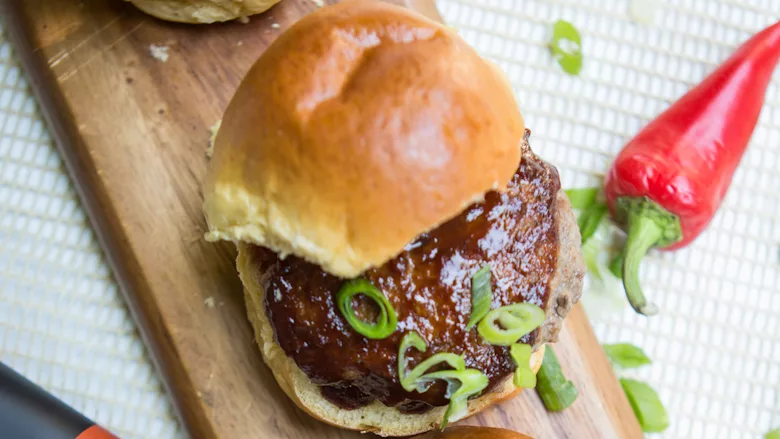
Burgers — patties made of ground beef or other ground meat … and lately plant-based facsimiles as well — make up the majority of a US market estimated by multiple sources to add up to some 50 billion to 55 billion burgers downed yearly.
In its “Hamburger Market Outlook 2032” report, Dataintelo Consulting Pvt. Ltd., reported, “The global hamburger market size was USD600 billion in 2023 and is likely to reach USD750 billion by 2032, expanding at a CAGR of 7.9 % during 2024–2032.” The research organization further noted that this trend “is attributed to the rising demand for convenient and indulgent food options, reflecting changing consumer preferences and lifestyles.”
Significantly, the Dataintelo report explained that, “Increasing consumer demand for diverse culinary experiences is a significant factor driving the market in the forecast period. Hamburger consumption has seen a surge, driven by a growing preference for quick and convenient meal options, especially among urban populations with busy lifestyles.”
Blending in
Among the hottest trends in burgers is blending the meat with any number of extenders that add flavor and texture while lowering cost. Ideally, the mixed-in ingredient should take its meaty partner to a higher level, and mushrooms have been shown to do just that. The Mushroom Council’s Blended Burger Project describes itself as “a movement to make burgers, tacos, pasta, you name it, better by blending finely chopped fresh mushrooms with ground meat for more delicious, nutritious and sustainable meals.”
In addition to the enhancement of umami flavor, the council notes that the practice has proven highly acceptable to consumers, is considered “earth-friendly,” and can save costs. While recommending a 25% mushroom to 75% meat ratio is ideal, it also is noted that the mushrooms in this format can count toward part of a serving of vegetables.
Diversity and inclusions
One of the easiest methods of building up a burger can be through inclusions. Inclusions can be any ingredient or combination of ingredient designed to add unique flavors, textures, or both mixed into the meat matrix, and as such are unlimited in scope. Seasonings, of course, can add a lot to a burger patty, creating anything from a simple umami burst through minced garlic, soy powder, or mushroom powder to a global twist via Tex-Mex, Thai, Korean, or BBQ seasoning premixes.
Perhaps the most common one, in use for decades, is shredded cheese, and then cheese and chopped jalapeño peppers are another familiar favorite in this vein, as are bacon bits and caramelized onions. Newer approaches include minced sundried tomatoes, yeast flakes or even yeast extracts and pastes.
Sauces also are an easy approach, with barbecue sauce being a traditional favorite, but some product makers are going up a rung on the flavor ladder with red wine reductions, spirit reductions (especially bourbon), salsa, smoked ketchup, gourmet mustards, shrimp paste, chipotle en adobo, chimichurri, gochujang, achar, and others. These are also adaptable to more than just beef: ground bison, venison, turkey, chicken, or pork might lend themselves
Toppings — always a favorite way to dress up a burger — are also making their way into meat mixtures. Examples range from chopped crunchy onion rings, potato chips, and corn chips to kimchi, chutneys, and chopped grilled spiced fruits, such as mango, pineapple and peach.
Fill ‘er up
Starting with fillings, while stuffed burgers have contained such standby ingredients as cheeses, chopped peppers, mushrooms, goat cheese, caramelized onion, bacon, or various combinations of the same, today’s burgermeisters are filling them with any variety of creative mixtures. “There’s no limit to what you can nestle inside a thick ground meat patty,” said certified master chef Hinnerk von Bargen, CHE, professor at the Culinary Institute of America, San Antonio, and the author of “Street Foods.” “Think: a ground shrimp curry ball, or Asian-style duck confit, or even fully cooked, creamed sauerkraut with shaved pastrami and Swiss or Gruyère cheese — a take on a Reuben sandwich.”
Von Bargen said that to stand up to batch production, the meat patty must be handled differently from a plain patty. “It needs to be more of a hybrid of a sausage and a meat patty,” he said. “You have to overmix the meat — the opposite of what you’d do with a plain burger—and use salt in the meat mixture, about 1.5% salt by weight, to denature the proteins and get a better protein binding.”
The filled product also has to be well sealed, of course,” von Bargen said. “It helps to form it into a ball, make an indentation for the stuffing and then seal the top and then press it into a thick patty.” He also said that a leaner meat burger, such as 93% or 99%, or even lean pork, turkey, or chicken, will have a better bind, but that using a low-fat meat can be balanced with a moister filling.
Poultry-based burgers
ith poultry-based burgers, specifically turkey and chicken, carving deeper inroads into the burger scene, a new option has been enticing chefs: duck.
“Duck burgers represent a significant growth opportunity for processors, distributors, and product developers seeking to diversify their protein offerings — and selecting the right high-quality protein is crucial to maximizing that potential,” affirms Joey Jurgielewicz, III, director of business development at Joe Jurgielewicz & Son, Ltd. The company is one of America’s leading, vertically integrated Pekin duck producers. Its consistent high-quality duck meat aligns particularly well with the needs of commercial processors.
“Pekin ducks are bred for superior meat quality, delivering the rich flavor and ideal meat-to-fat ratio that make duck burgers stand out in both retail and foodservice applications,” says Jurgielewicz. “The breed is known for a succulent flavor—distinctive enough to differentiate a burger, yet versatile enough to pair with global seasonings and sauces. For R&D teams developing new SKUs, this consistency in flavor and texture reduces formulation challenges and supports reliable product performance.”
Utilizing family farm network and responsible production practices that raise and minimally process the fowl under tightly controlled, vertically integrated systems, the ducks deliver predictable fat content and clean trim, streamlining the patty formation process and helping to maintain throughput and minimizing variations. “For processors aiming to capitalize on the growing demand for premium, differentiated proteins, Pekin duck burgers duck provide a reliable and flavorful innovation — and are priced comparably to beef,” adds Jurgielewicz.
Another alternative fowl that could soon be an option for burgers is quail. “We’re currently working with our product development and food safety specialists on ground quail for burger,” says Brittney Miller, poultry scientist and second-generation owner of Manchester Farms, Inc. “Quail burgers are a new idea that we think no one ever thought of. Ground breast and thigh meat using quail eggs and breadcrumbs as a binder would deliver one of the leanest and highest protein burgers on the market.” Miller adds that since quail meat has a shorter shelf life than beef, it is likely only frozen quail burgers will be made available should the company find production feasible.
With duck and quail both rich red meats high in protein and vitamins as well as healthful fats, combining them with beef or simply letting their meat stand alone can offer next-gen burger chefs options that compete favorably with the classic beef burger.
Looking for a reprint of this article?
From high-res PDFs to custom plaques, order your copy today!