Safe Catch's Kevin McCay discusses clean label and frozen aisle opportunities
Clean label proteins must also meet consumer expectations for quality and convenience.

Kevin McCay
Safe Catch recently expanded in the frozen with the rollout of its Wild Tuna Burgers nationwide at Sam’s Club, building on the company’s entry into the frozen seafood category earlier this year and adding a seafood option in the frozen burger category.
In this interview, Safe Catch COO Kevin McCay discusses protein opportunities in the frozen aisle, differences in consumer demand for clean label seafood products vs. other proteins, and how consumers’ heightened focus on protein in their diets is influencing the seafood category.
What consumer trends are driving Safe Catch’s product line expansion into the frozen seafood products category?
Kevin McCay : Consumer demand today is being pulled in two directions at once: the need for convenience and the refusal to compromise on quality.
Consumers today are spending more time in the frozen aisle because modern life demands it. They want something quick, something familiar, something their whole family will eat.
At the same time, consumers are savvier than ever before. The same shopper buying organic produce or reading labels on packaged goods doesn't suddenly stop caring when they hit the frozen section. They want to know exactly what they are eating and where it came from.
We launched Safe Catch over 10 years ago on the tightest testing standards in the industry. Every single fish, mercury tested. When we looked at frozen, we saw a category that was underserving a consumer who was ready for something better, and we knew we had the credibility to deliver it.
For a long time, there’s been a tradeoff between convenience and compromising on quality or transparency. That’s what we’ve set out to change.
How does expanding into the frozen seafood category complement Safe Catch’s existing product line?
Kevin McCay : Safe Catch was built on one promise: giving people transparency and confidence in their seafood. That promise doesn’t change based on what part of the store you're in.
Expanding into frozen is a natural extension for us that allows us to bring that same level of transparency and food purity into a part of the store where many families shop for convenient, everyday meals.
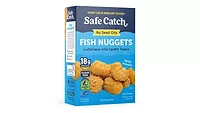
Our frozen lineup is built around real consumption occasions. Take our Fish Nuggets: family-friendly, no seed oils, 18 grams of protein per serving. The kind of weeknight meal solution that doesn't force parents to choose between easy and clean.
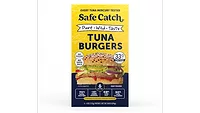
Our Tuna Burgers go after a different occasion: grill night. Four ounces, 33 grams of protein, made with wild-caught tuna that's individually mercury tested. Compared to an 80% lean beef burger, you're getting 70% more protein and 30% fewer calories. Same ritual, dramatically better nutritional profile.
Seafood is one of the most nutritionally dense proteins on the planet. We're making it easier to eat more of it without compromising on how it's sourced or what's in it.
At the end of the day, it’s about consistency and credibility. We apply same high-standards to sourcing, testing, and ingredients that we always have to a high-demand category that fits how families are eating today.
What are the similarities and differences in consumer demand for clean label seafood products vs. other proteins?
Kevin McCay : Across all protein categories, consumers are demanding the same thing: know what’s in it, where it came from and don’t hide anything. That expectation is consistent whether it’s seafood, beef, or chicken.
But seafood carries a higher burden of proof with concerns around mercury levels, bycatch, supply chain visibility, sourcing practices, and environmental impact.
People eat seafood because it's supposed to be the healthy choice. That health halo raises the bar. When a product falls short on mercury levels or ingredient quality, the disappointment hits harder than it would with any other protein. The promise was health. The standard has to match it.
Beef and poultry have USDA grading and established labelling standards that give consumers a baseline of institutional trust. In seafood, those guardrails are not as well understood. Consumers are looking for brands to fill the credibility gap.
That’s what Safe Catch was built for. We’ve opened our processes for review from scientific experts and regulators, and we’ve backed sustainability commitment with real action, including plastic neutrality.
When we expanded into frozen, those standards came with us: clean ingredients, no seed oils, no added sugar, and a lower carbon footprint than traditional protein options.
The demand is similar across proteins. The expectations are higher in seafood. We built our entire business around meeting them.
How is consumers’ heightened focus on protein in their diets influencing the seafood category?
Kevin McCay : Protein has become a primary factor in how people evaluate food today. It’s often one of the first things they look at, whether they’re thinking about overall health, energy, or keeping meals satisfying. That shift is pulling seafood into a more mainstream conversation.
We’re seeing more consumers experimenting with incorporating seafood more regularly, especially when the protein levels are clear and competitive with other options.
When it comes to protein density, seafood wins on almost every metric: documented omega-3 benefits, lower calories, and none of the cardiovascular concerns associated with heavy red meat consumption. For the consumer who wants protein and health in the same package, seafood is the clearest answer in the store.
The numbers back it up. For example, our Tuna Burgers have 33 grams of protein, 70% more than a comparable beef burger with 68% less fat. Those are numbers that matter to a consumer actively managing their intake, and they're driving trial from buyers who never thought of seafood as a protein-forward choice before.
This focus on protein is also changing how seafood brands market themselves. For years the category leaned on taste and sustainability. Now there's a consumer scanning labels specifically for protein per serving, and you can see brands like Safe Catch leading with nutrition data and reach a much broader audience than the traditional seafood buyer.
The protein trend is helping shift seafood from an occasional choice to something people rely on as a consistent, everyday source of protein.
Looking for a reprint of this article?
From high-res PDFs to custom plaques, order your copy today!
.webp?height=96&t=1647275041&width=96)