2016 Food Safety Report
Renovation realities: How food safety plays into plant construction/expansion plans
Without a sharp focus on the food-safety tasks required during expansion or remodeling of a processing plant, a company could be setting itself up for failure before operation even begins.
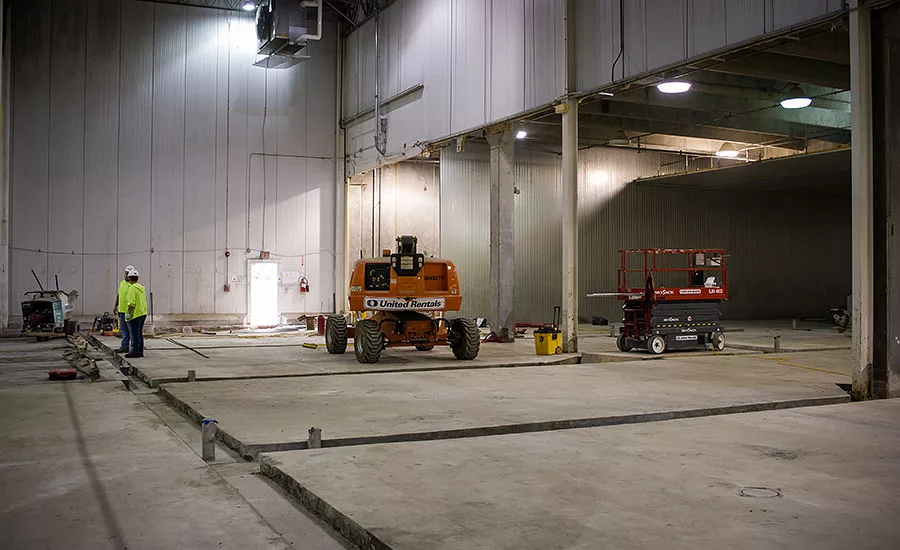
Remodeling an existing meat and poultry facility can be an exciting opportunity. It also provides many different challenges related not only to the specifics of construction, equipment and staffing, but also to the development of programs, policies and training.
There are many moving parts in bringing a remodeling project to the start of first production. The team focus on the big components of the project occasionally results in the basics being pushed off and not thoroughly evaluated or executed properly.
These basic project principles may not have individual team members dedicated specifically to them, which can put a strain on the facility with the need for schedules and resources that, in most cases, are being pulled from existing operations. The simple everyday needs of such a project aren’t the glamor of a “high five” type of project; nevertheless, they must be evaluated, performed, developed and trained for.
Here are a few of the not-so-glamorous — but required — aspects of a remodeling project.
Construction is a dirty word
Plan the construction pathway carefully. The way materials and individuals enter and exit the plant needs to be well-established, marked and separated from employee entrances and all other areas of the plant.
In making these pathways, construction barriers between the remodeling area and the non-construction area are a necessity in addition to understanding the air flow and any changes a barrier may make to the air flow. It is also important to think about separation in all areas of the building, not just in the processing areas but common hallways, employee break rooms and even connections that may be present in interstitial spaces between the roof and ceiling that would allow construction dust and debris to enter non-construction areas.
Materials used for these barriers should go from wall to ceiling and be strong enough to withstand the exposure to nightly sanitation as well as daily operational challenges. These barriers should become a part of the plant sanitation program and should be carefully monitored to ensure cleanliness with no openings.
The closures for these barriers should be secure at all corners. Temporary walls may not be as tightly secured at the top and bottom and over time may allow gaps to create connections between the construction and non-construction areas.
Summary: Have a map of all pathways/ barriers and schedule routine review of structural quality, cleanliness and integrity.
The day will come
Contractual agreements all state a “hand-off” day. This is the magic day when construction is completed, everyone is out and the construction cleanup and the intensified sanitization process begins.
The importance of a construction area cleaning is essential and includes equipment, refrigeration units, interior facilities, interstitial space and the roof. This should be performed over several days, and microbiological swabbing should be performed, with acceptable limits determined to understand how the sanitation process is proceeding. Microbiological evaluations can include APC, yeast and molds, and in ready-to-eat processing areas, the necessary Listeria swab.
Acceptable results should be established up front, and cleaning continued until consistent results are obtained over several days. Cleaning is essential to ensure all possible foreign-material contamination is eliminated.
After the initial cleaning is performed, drains should be flushed. This allows for basic construction dust to be eliminated and provides extra cleaning days if drains back up.
As the sanitization process shows success, there needs to be a day on which the switch is turned and the area is considered a processing area. At this point, the line is drawn and anyone going into the area should follow the employee hygiene protocols that have been established.
Initial microbiological samples will cover many different areas and organisms. Cleaning days can also be used to evaluate the ready-to-eat microbiological verification sites allowing the location and organism specific for production runs. Cleaning days can be used as an opportunity to train and allow sanitation workers and those performing checks to become familiar with the new surroundings.
Summary: Outline the cleaning process and areas. Develop sampling plans to include what is being sampled for, what is considered acceptable and track the progress of the cleaning. Establish the drop-dead processing environment date and enforce it.
Set the course
Resources are always limited, and the time required to prepare HACCP programs, sanitation plans, work instructions and other necessary policies can be overwhelming. It is easy to allow other operational priorities to replace the “in the future” process. Set aside time and bar the doors.
Have your policies and procedures in place well before starting operation and allow for practice time and training. Keep a written log of items to be completed, get a date for completion and discuss progress on a weekly basis. Nothing is as important as training and verifying that training.
Employees want to do the right thing regarding their safety, as well as the safety and quality of the products and the environment in which it is produced. They need to understand the right way to do things and why. The more training provided, the stronger your programs will be and the more pride employees will have in the jobs they do and their company.
Summary: Write programs and policies and start training well in advance. Allow time for mock or practice sessions in the new departments.
While these tasks maybe seem like common practice, they are just as important as the million-dollar floor renovation or the shiny new piece of equipment, and they should be treated as such. It is essential to build a strong team, evaluate every aspect of the project, establish dates and train employees.
Remodeling is very exciting and sets in place the building blocks for the future of the brand and the overall health of the company. Don’t damage those new blocks by moving too quickly through or outright forgetting to follow the essential food-safety procedures. NP
Looking for a reprint of this article?
From high-res PDFs to custom plaques, order your copy today!