Researchers explore Enterococcus cecorum adaptation in chickens
Findings indicate an emerging pathogenic strain of E. cecorum is responsible for severe systemic disease in broilers.
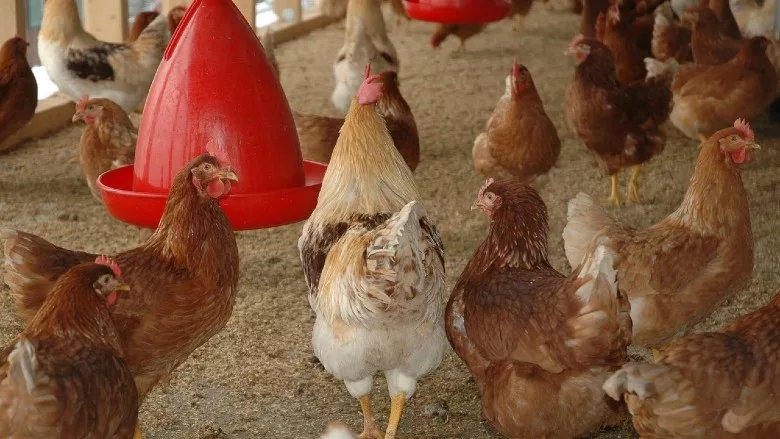
Chicken coop
The US Poultry & Egg Association and the USPOULTRY Foundation are announcing the completion of a research project focused on how Enterococcus cecorum has adapted in chickens, showing characteristics of antibiotic resistance. The research is part of USPOULTRY's comprehensive research program encompassing all phases of poultry and egg production and processing and is made possible in part through proceeds from the International Poultry Expo, part of the International Production & Processing Expo.
Project #F109, titled "Control of Enterococcus cecorum Through Identifying Its Dynamics of Adaptation to the Chickens and Its Environment," was led by Martha Pulido-Landinez with the College of Veterinary Medicine, Mississippi Veterinary Research and Diagnostic Lab, Mississippi State University. Pulido-Landinez, associate clinical professor at Mississippi State University, and other research colleagues conducted a study to recognize the dynamics of E. cecorum in vertical integrations by identifying and characterizing isolates recovered from breeders, hatcheries and broilers.
Findings indicated that an emerging pathogenic strain of E. cecorum is responsible for severe systemic disease in broilers. The age-specific presence of Enterococcus faecalis and E. cecorum suggests that early detection of E. faecalis may be a warning sign for later E. cecorum infection. This allows timely interventions to prevent costly losses when the chickens get older and heavier and, therefore, gain value. The long survival time of pathogenic E. cecorum, especially in litter, underscores its role in recurring disease and the need for long-term control measures. While tested disinfectants are effective against E. cecorum in its naked form, organic matter reduces their effectiveness. Sanitation protocols must account for strain type, disinfectant choice and organic load.
Source: US Poultry & Egg Association
Looking for a reprint of this article?
From high-res PDFs to custom plaques, order your copy today!